In the charming territory of Provence, in the southeast of France, gastronomy is an art that tastes with every bite. Its unique and rich flavors in history have captivated tourists and demanding palates for centuries. Dive into this culinary journey and discover the richness of flavors of Provence while exploring its authentic cuisine and its influences in French cuisine.
Introduction
Provenza, known for its picturesque landscapes, lavender fields and charming cities, houses a deeply rooted culinary tradition. In this article, we will explore the fascinating culinary history of Provence, the diversity of its gastronomy and its place at the gastronomic scene of France. We will also discover its emblematic flavors, culinary secrets and tips to maximize a gastronomic experience in this region.
History and Background
The culinary history of Provence dates back to the Roman era, when the region was known for its prosperous agriculture and its abundant cultivation of olives, grapes and aromatic herbs. Roman influence was mixed with local culinary traditions, giving rise to distinctive dishes such as ratatouille, bouillabaisse and aïoli. During the Middle Ages, Provence became an important shopping center and meeting point of cultures, which further enriched its gastronomy with spices, dried fruits and refined cooking techniques.
The region has also been influenced by Mediterranean cuisine, highlighting the generous use of olive oil, fresh herbs and fresh fish. Over the centuries, Provencal cuisine has evolved, preserving its traditions and the importance of fresh and seasonal ingredients.
Analysis in Deep
The cuisine of Provenza stands out for its focus on the simplicity and freshness of the ingredients. The use of aromatic herbs, such as thyme, rosemary and basil, provides a distinctive flavor to local dishes. Provencal cuisine is known for its balance between intense flavors and slow cooking techniques that enhance natural ingredients.
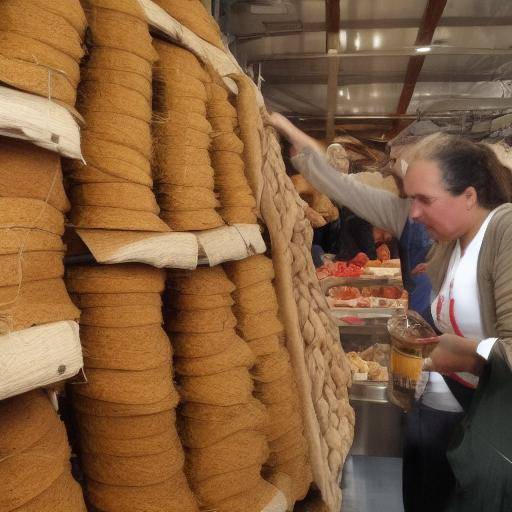
The region is also famous for its variety of cheeses, including the famous Banon goat cheese, known for its chestnut leaf wrap. In addition, the local wines, especially those of the AOC (Appellation d'Origine Contrôlée) Côtes de Provence, perfectly complement the regional dishes
Comprehensive review
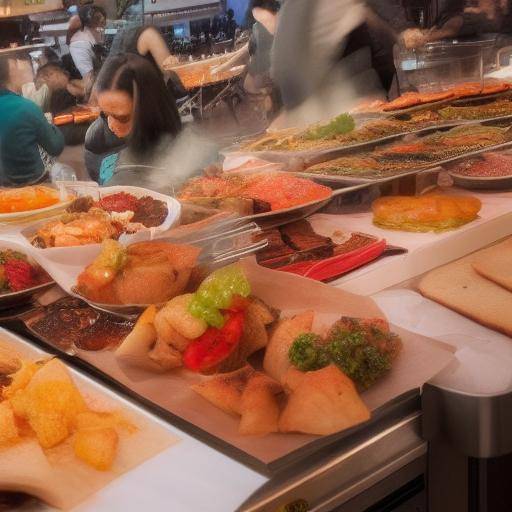
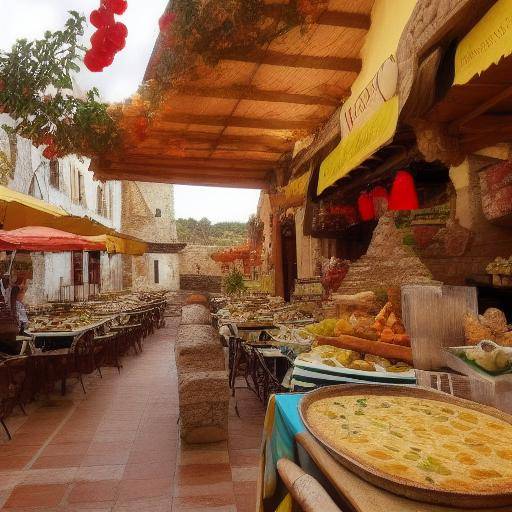
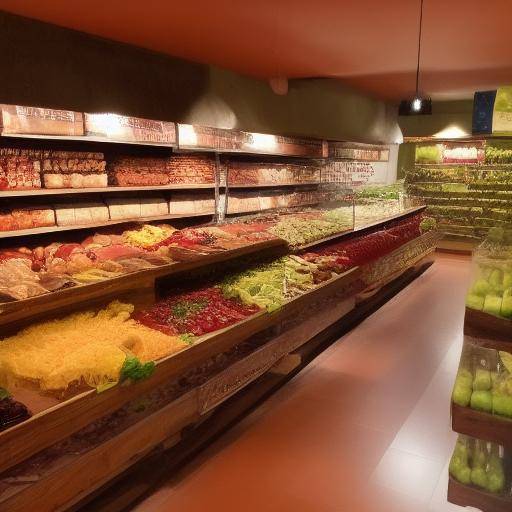
When it comes to the cuisine of Provence, the importance of the culture of "good living" is evident in every meal. Provencal markets offer a wide range of local products, from fruits and vegetables to homemade sausages and olives. Exploring these markets is a must-have experience for those who wish to immerse themselves in the authenticity of local cuisine.
Gastronomic festivals are also an integral part of the culinary culture of Provence, providing the opportunity to taste regional dishes, participate in wine tastings and discover local crafts. Throughout the year, events such as the Fête de la Gastronomie, the Wine Fair and truffle festivals are held, highlighting the passion and pride of the region for its cuisine.
Comparative analysis
Although Provencal cuisine shares similarities with other gastronomic regions of France, it is distinguished by its focus on local products and Mediterranean influence. Fresh flavors, aromatic herbs and abundance of olive oil-based dishes reflect the unique culinary personality of Provence.
Provenza’s gastronomy is harmoniously integrated into the largest French cuisine, bringing its uniqueness and diversity to the country’s rich culinary tradition. The influence of Mediterranean cuisine is intertwined with the classic techniques of French cuisine, creating a culinary fusion that excites the most demanding palates.
Practical Tips and Accessible Recommendations
If you plan to taste the cuisine of Provence, we recommend you to explore the local markets and try emblematic dishes such as bouillabaisse, a fish and seafood soup, and bagnat bread, a traditional sandwich filled with fresh ingredients and olive oil. Make sure you pair your meals with local wines, such as the refreshing rosé from the region, which will enhance the flavors of Provencal cuisine.
In addition, consider participating in olive oil tastings, visiting local wineries and immerse yourself in the gastronomic culture of Provence through traditional cooking classes. These experiences will allow you to understand the essence of local cuisine while you learn authentic techniques from the region.
Perceptions of Industry and Expert Reviews
According to gastronomic experts, the cuisine of Provenza has maintained its relevance over time due to its focus on fresh ingredients and culinary simplicity. The region has managed to preserve its culinary traditions while adapting to new trends, maintaining its status as a renowned gastronomic destination.
Local chefs express their passion for Provencal cuisine, highlighting the importance of respecting the authenticity of traditional dishes. They also emphasize the combination of refined fresh flavors and culinary technique as the pillars of the authentic cuisine of Provence.
Case Studies and Practical Applications
Numerous restaurants and bistros from Provenza have managed to stand internationally thanks to their focus on local cuisine and unique hospitality. Establishments such as L'Oustalet in Gigondas, Le Chantecler in Nice and La Bonne Etape in Château-Arnoux-Saint-Auban offer exceptional gastronomic experiences that celebrate the diversity of flavors of the region.
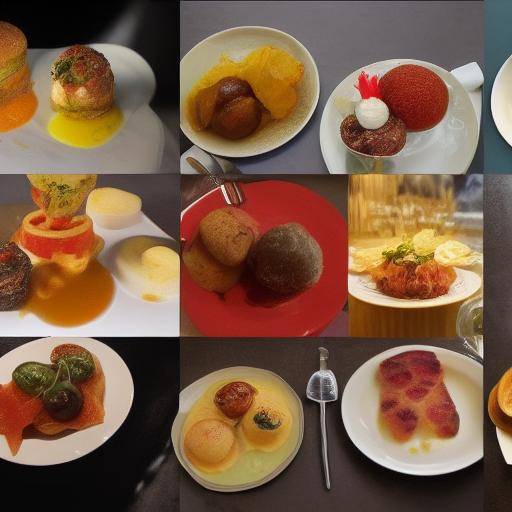
Also, well-known chefs have found inspiration in Provenza's cuisine to create innovative dishes that reinterpret traditional recipes with a contemporary touch. These examples show the vitality and continued relevance of Provencal cuisine in the current gastronomic panorama.
Future Trends and Predictions
As gastronomic tourism gains popularity, Provence’s cuisine is expected to continue attracting travelers in search of authentic culinary experiences. It is expected that the region will remain a prominent destination for gastronomy lovers, focusing on sustainability, organic agriculture and the promotion of local products.
In addition, it is anticipated that the influence of Provencal cuisine will expand globally, inspiring culinary trends and serving as a source of creativity for chefs and lovers of good eating around the world.
Conclusion
The cuisine of Provence is a gastronomic treasure that reflects the rich history and diversity of the region. From its Roman roots to its fusion with Mediterranean cuisine, Provenza's gastronomy has transcended time, keeping its essence throughout the centuries. By tasting the flavors of Provence, you immerse yourself in a culinary experience that celebrates freshness, authenticity and passion for local ingredients. Prepare to explore a world of flavors, aromas and traditions that will leave an indelible mark on your palate.
Frequently asked questions
What are some emblematic ingredients in Provenza cuisine?
The cuisine of Provenza stands out for the use of ingredients such as olive oil, aromatic herbs (metal, rosemary, basil), tomatoes, fish and seafood, olives and regional goat cheeses.
What traditional dishes should I not stop trying when visiting Provence?
When visiting Provenza, it is essential to try the bouillabaisse, a soup of aromatic fish and seafood, and the aïoli, a garlic sauce mixed with olive oil that is served with fresh vegetables and fish.
How can I experience Provenza cuisine beyond restaurants?
In addition to enjoying the local dishes in restaurants, we recommend you to visit the Provencal markets to discover fresh ingredients, participate in wine tastings and olive oils, and consider taking traditional cooking classes to immerse yourself completely in the cuisine of Provenza.
What wines better complement the cuisine of Provence?
The pink wines of the region, in particular those of the AOC Côtes de Provence, are ideal companions for the Provencal dishes. Its freshness and elegance combine perfectly with the Mediterranean flavors of local cuisine.
What gastronomic festivals are held in Provence?
Provenza hosts various gastronomic festivals throughout the year, such as the Fête de la Gastronomie, the Wine Fair and truffle festivals, which offer the opportunity to taste regional dishes, participate in wine tastings and discover local crafts.
How has Provenza cuisine evolved over time?
Over the centuries, the cuisine of Provenza has maintained its focus on fresh ingredients and traditional recipes, although it has incorporated culinary influences from other regions and has adapted its techniques to current trends.
In short, the cuisine of Provenza is a true feast for the senses, where history, tradition and innovation come together to create an exceptional culinary experience. Do not miss the opportunity to explore the unique and rich flavors of this region, as each dish tells a story that will transport you to the very essence of Provence.