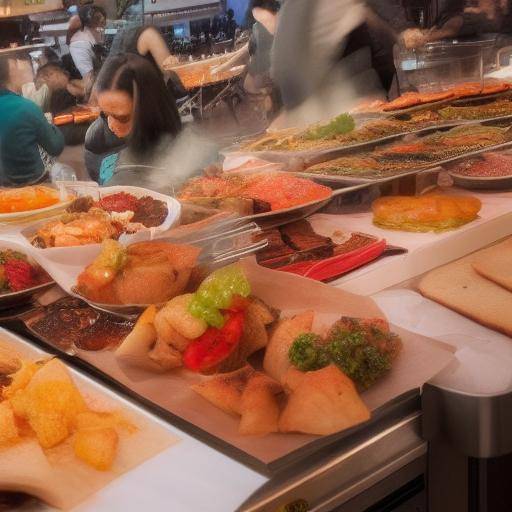
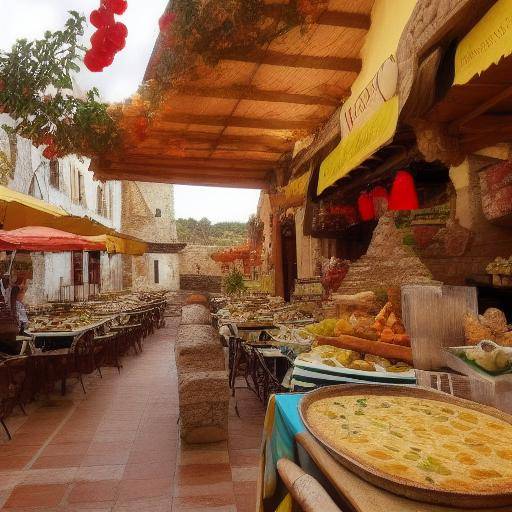
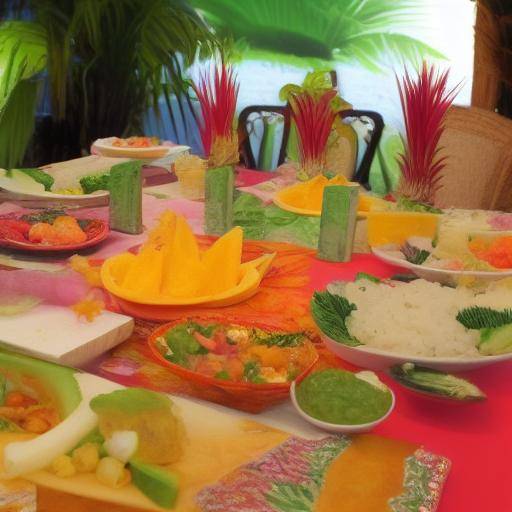
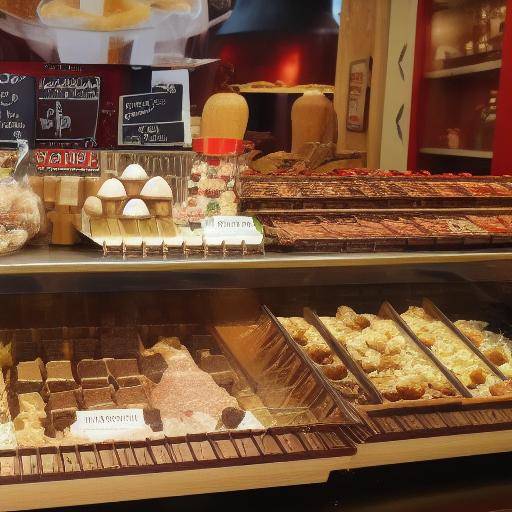
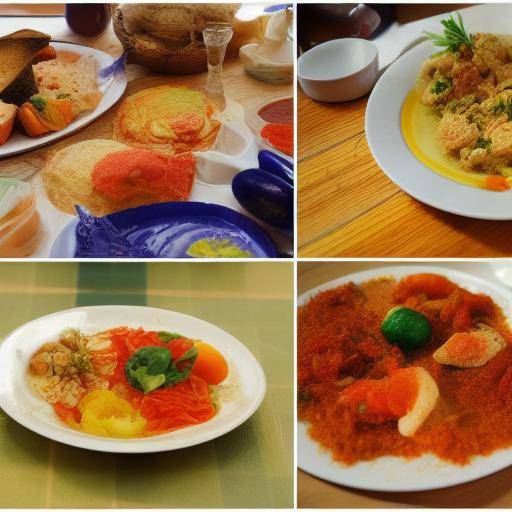
New Orleans, known for its rich cultural heritage, is a gastronomic paradise that mixes French, Spanish, African and Caribbean influences. One of the culinary jewels of this city is the Creole cuisine, which has evolved over the centuries to become a unique gastronomic experience. Join us on this delicious journey as we explore Creole flavors and discover the wonderful fusion of cuisine and culture in New Orleans.
History and Background
The Creole cuisine, born in southern Louisiana, is the result of the mix of cultural influences of European, African and Caribbean colonizers, as well as native Americans. This fusion gave rise to distinctive dishes that combine European culinary techniques with local and African ingredients. The gumbo, the jambalaya, the po'boys and the etouffée are just some samples of the exquisite Creole gastronomy.
Deep analysis
The Creole cuisine has undergone multiple transformations over the years. Today, it has become an identity symbol for the New Orleans community, attracting avid tourists to taste their unique flavors. Despite its popularity, Creole cuisine has also faced challenges in preserving its traditions in a constantly changing world.
Comprehensive review
New Orleans, a crucible of cultures, has managed to preserve and enrich the Creole culinary heritage. The combination of fresh ingredients and aromatic spices offers a feast for the senses. The variety of dishes, from fresh seafood to spicy dishes, reflects the diversity of influences that have shaped the Creole cuisine.
Comparative analysis
New Orleans Creole cuisine is distinguished by its fusion of flavors, textures and presentations. The local ingredients, such as rice, seafood and cajun spices, are the soul of this kitchen. Compared to other regional cuisines, the Creole stands out for its unique combination of spices and cooking techniques that give it an unmatched taste.
Practical Tips and Accessible Recommendations
If you want to experience the authentic Creole cuisine, we recommend visiting some of the emblematic restaurants in New Orleans, where you can enjoy traditional dishes prepared by expert chefs. Also, do not miss the opportunity to participate in a Creole cooking workshop to learn how to prepare your own dishes.
Industry Perspectives and Expert Reviews
Culinary experts agree that the New Orleans Creole cuisine represents an important chapter in the gastronomic history of the United States. Its ability to adapt to new flavors and trends makes it a constantly evolving kitchen, keeping its rich heritage alive and at the same time embracing innovation.
Case Studies and Real Life Applications
By exploring the influence of Creole cuisine in other culinary areas and the impact it has had on chefs and restaurants around the world, it is clear that its legacy transcends borders. The versatility of its ingredients and preparations makes it an indispensable benchmark for those seeking to merge tradition and creativity in the kitchen.
Future Trends and Predictions
The future of Creole cuisine seems promising, with a growing interest in preserving and disseminating its recipes and culinary techniques. Its ability to adapt to the demands of the market and the preferences of the public places it as a lasting influence on the global gastronomic scene, keeping alive its unique essence.
Conclusion
New Orleans Creole cuisine is much more than a gastronomic experience; it is a journey through history, culture and culinary creativity. In each dish we perceive the passion and the wit of a tradition that has resisted the passage of time. In exploring the Creole flavors, we immerse ourselves in a legacy that has left an unbeatable mark on the world gastronomic scene, reminding us of the importance of preserving the culinary roots and celebrating cultural diversity through the art of cooking.
Frequently asked questions
What are some emblematic dishes of New Orleans' Creole cuisine?
The New Orleans Creole cuisine has a variety of iconic dishes, including the gumbo, the jambalaya, the etouffée, the po'boys and the beans and rice network, each with its own charm and characteristic flavor.
What cultural influences are reflected in New Orleans' Creole cuisine?
New Orleans Creole cuisine reflects cultural influences of European, African and Caribbean colonizers, as well as native Americans. This diversity is evident in the combination of ingredients, cooking techniques and characteristic flavors of the region.
Where can I try authentic Creole dishes in New Orleans?
New Orleans hosts a wide variety of restaurants offering authentic Creole cuisine. Some of the highlights include Antoine's, Commander's Palace and Dooky Chase's Restaurant, where you can enjoy traditional dishes prepared by experts on the subject.
What is the historical importance of Creole cuisine in New Orleans?
New Orleans Creole cuisine has played a crucial role in building the culinary identity of the region, serving as a bridge between the different cultures that have influenced its development. Its historical legacy and cultural relevance make it an invaluable heritage for the city.
What ingredients are fundamental in New Orleans' Creole cuisine?
New Orleans Creole cuisine makes use of a wide range of ingredients that include fresh seafood, rice, strawberry spices, okra, peppers, onion, celery, tomatoes, among others. These ingredients provide a variety of flavors and textures to Creole dishes.
What differences exist between the Creole cuisine and the Cajun cuisine?
While the Creole cuisine and the Cajun cuisine share similarities, such as the French influence and the use of local ingredients, there are significant differences in their techniques of preparation, ingredients and characteristic flavors. The Creole cuisine tends to be more refined and varied, while the Cajun cuisine is known for its spicy flavor and its focus on rustic dishes.
By exploring the Creole flavours and the fascinating blend of gastronomy and culture in New Orleans, we immerse ourselves in a world of culinary traditions rooted in history and ingenuity. The Creole cuisine not only delights the palate, but also invites us to appreciate the wealth of a heritage that has transcended generations, becoming a culinary jewel that deserves to be celebrated and preserved.