Introduction
The Holi Festival, also known as the "Festival of Colors", is an annual celebration that awakens the senses with vibrant colors and a rich culinary culture. In this article we will take readers to a journey through the flavors of Holi, exploring the connection between this festival, the gastronomy and the abundant diversity of India. From the history of the festival to regional gastronomic delights and the influence of Indian culture in global cuisine, this article will immerse readers in a world of unique aromas, flavors, and culinary traditions.
History and Background
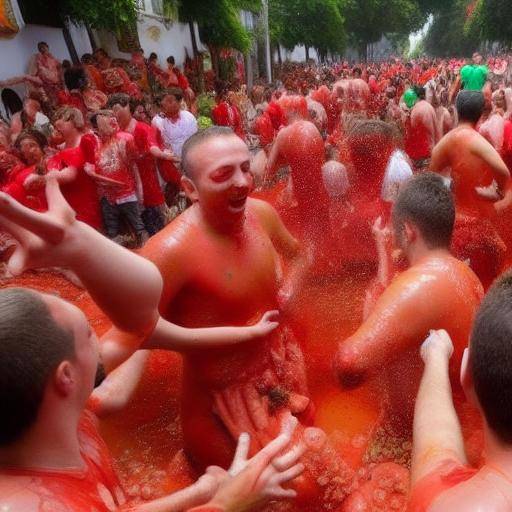
The Holi Festival, originally from India, has its roots in Hindu mythology. Also known as "Festival de Primavera", Holi marks the triumph of good over evil and the arrival of spring. During this festival, people dive into bright colors and celebrate unity, friendship, and the victory of truth over darkness. In the past, Holi was also celebrated as an agricultural festival, with people participating in fertility rituals and blessings for a prosperous harvest.
Analysis in Deep
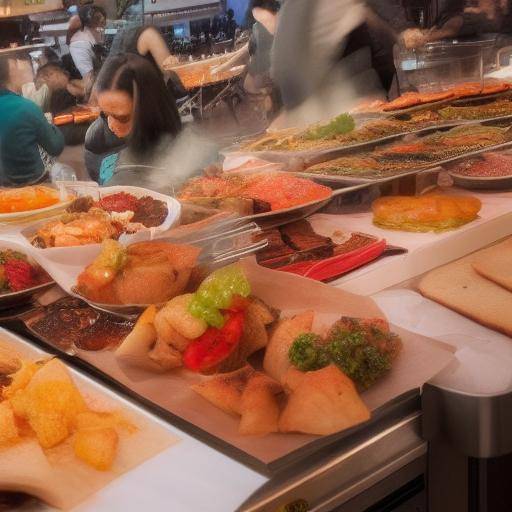
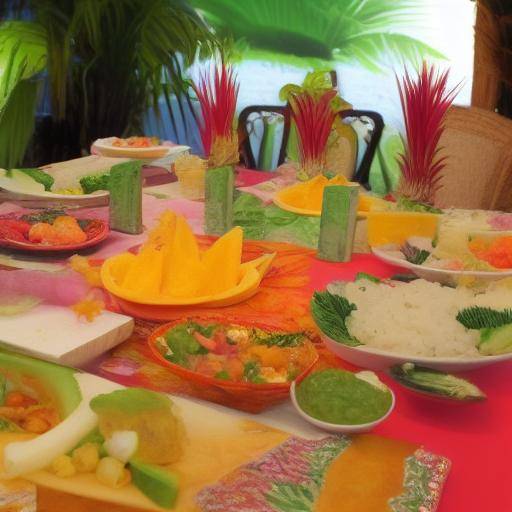
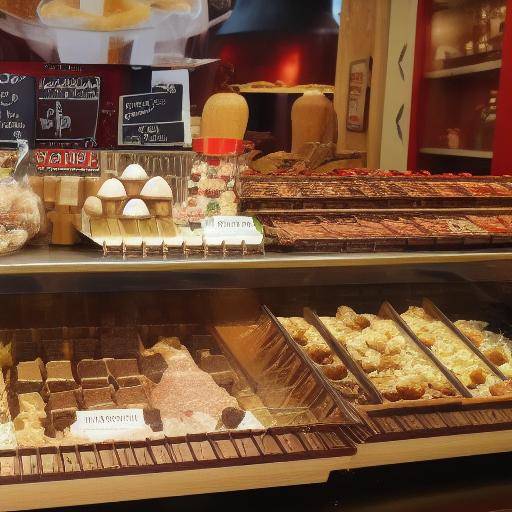
Holi's celebration goes beyond the aesthetic, as food plays a distinctive role in this holiday. Typical dishes include "gujiya", a sweet empanada filled with nuts and coconut, and "thandai", a refreshing drink based on milk, nuts, and spices. These foods are not only delicious, but also symbolize aspects of the holiday, such as the sweetness of life and the freshness of spring.
Exhaustive examination
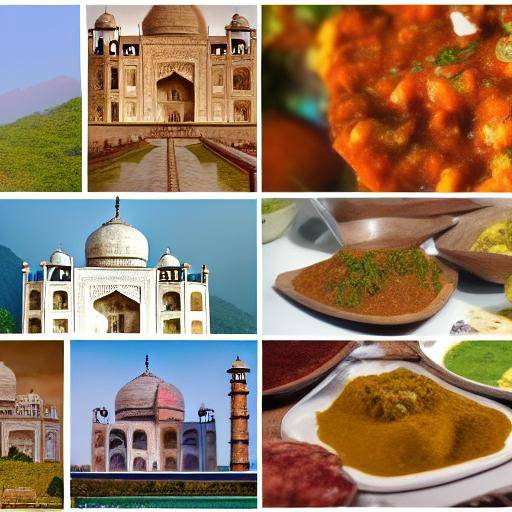
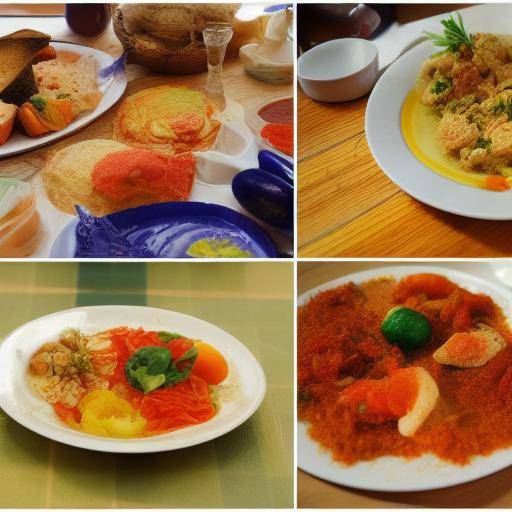
Indian cuisine is a fusion of flavours, spices, and culinary techniques that vary according to the regions. From Goa's "vindaloo" spicy to Hyderabad's "biryani" aromatic, Indian cuisine captivates people's palates from around the world. The cultural diversity and richness of ingredients present in Indian gastronomy reflect the wide range of traditions and the unique history of each region.
Comparative analysis
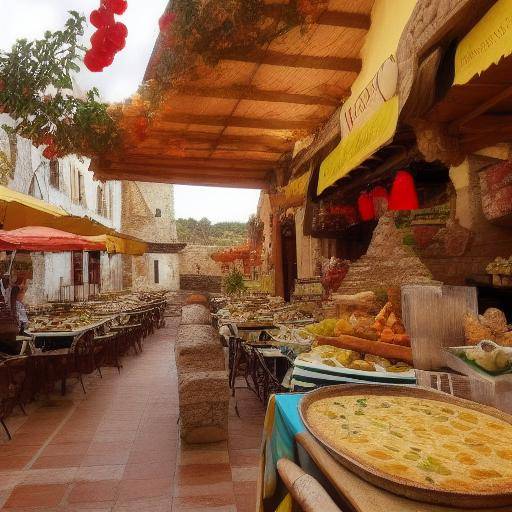
India's culinary diversity finds an echo in the holidays like Holi. While some regions are leaning towards milk-based desserts like "rasgulla", others prefer salty dishes like "pakoras". In the same way, Holi is celebrated in various ways in different parts of the country; for example, in the state of Uttar Pradesh, it is traditional to play with colored milk, while in Delhi a thematic beverage contest is held.
Practical Tips and Accessible Tips
For those who wish to experience the authenticity of Holi's flavors, home-based gujiya preparation can be a delicious culinary experience. It is also interesting to make a virtual gastronomic tour through India to learn about the variety of emblematic dishes of the festival and its regions of origin.
Industry Perspectives and Expert Reviews
Chefs and gastronomy experts highlight the wealth of flavors present in Holi's food, while highlighting the importance of preserving and sharing these culinary traditions. The integration of these aromatic flavors into global gastronomy has enriched the culinary offer and has boosted interest in India's regional cuisine.
Case Studies and Real Life Applications
The popularity of cultural festivals such as Holi has led to the introduction of thematic gastronomic experiences in restaurants and culinary events around the world. From special tastings to thematic menus, the influence of Holi's food has transcended borders and has found its place in the global culinary scene.
Future Trends and Predictions
As global awareness of culinary diversity continues to grow and gastronomic experiences become more sophisticated, the celebration of festivals like Holi is expected to become an international culinary attraction. The incorporation of typical Holi flavors into contemporary dishes and the reinterpretation of traditional recipes promise to keep alive and relevant the rich culinary heritage of India.
Conclusion
The Holi Festival is not only a celebration of colors and joy, but also an opportunity to explore the culinary and cultural diversity of India. Through its unique flavors, Holi invites us to join in the appreciation of life and celebrate the richness of culinary culture. By savoring these delights during Holi and beyond, we immerse ourselves in a world of joyful emotions, tradition and appreciation for authentic flavors.
FAQs
1. What is the meaning of the Holi Festival in India?
Holi is a Hindu festival that celebrates the arrival of spring and marks the victory of good over evil. The festival is known for its vibrant colors, unbridled joy, and the delicious typical food shared between friends and family.
2. Why does food play such an important role in the Holi Festival?
The food at the Holi Festival not only symbolizes the sweetness and freshness of spring, but is also considered a means to unite the community and celebrate friendship. The typical dishes of Holi reflect the joy and generosity associated with the festival.
3. What are some typical dishes consumed during the Holi Festival?
Some of the typical dishes enjoyed during Holi include gujiya, thandai, rasgulla, pakoras, and various regional dishes that vary according to local traditions.
4. How can I experience Holi's flavors if I'm not in India?
If you cannot attend Holi celebrations in India, you can experience the flavors of this holiday by preparing typical dishes at home or exploring Indian restaurants that offer special menus during this time of year.
5. What is the importance of Indian gastronomy in the global culinary scene?
Indian gastronomy has gained worldwide recognition for its diversity of flavors, use of spices and unique culinary techniques. The influence of Indian food is reflected in the popularity of dishes such as curry and the omnipresence of Indian restaurants around the world.
6. What are some ways to incorporate Holi's flavors into the daily kitchen?
You can incorporate Holi's flavors into your daily kitchen by experimenting with Indian's specifics and culinary techniques. From the preparation of aromatic desserts to the addition of doughnuts in salty dishes, there are many ways to integrate Holi's flavors into your kitchen.
With this article, we hope to have aroused your curiosity and appreciation for the unique flavors of the Holi Festival and the rich culinary culture of India. May your next meeting with Indian cuisine transport you to a world of aromas, colors, and unforgettable culinary experiences!