The French Quarter of New Orleans is a historic and cultural gem that offers a unique experience to those who visit it. From its rich history to its bustling nightlife, the French Quarter is a place that captivates tourists and locals alike. In this complete guide, we will explore everything you need to know to make the most of your visit to this emblematic neighborhood.
Introduction to the French Quarter of New Orleans
The French Quarter, also known as the Vieux Carré, is the historic heart of New Orleans, famous for its cobbled alleys, Spanish and French colonial architecture, and a vibrant cultural scene. Founded in 1718, this neighborhood is an amalgam of European, African and Caribbean influences that manifest in its unique music, gastronomy and festivals. Throughout this article, we will take you on a journey through history, culture, tourism and everything that makes the French Quarter an impermissible destination.
History and Background of the French Quarter
Colonial Origins
The French Quarter has its origins in colonial times, when New Orleans was an important commercial port. Founded by the French and later ruled by the Spanish, the neighborhood has experienced a rich history marked by conflicts, conquests and unparalleled cultural diversity. From the influence of slavery to colonial architecture, every corner of the French Quarter tells a story that deserves to be heard.
Influence of Immigration
During the 19th century, the French Quarter witnessed massive immigration, particularly of vessels arriving from the island of Haiti. This influx helped enrich the culture and gastronomy of the neighborhood, creating a unique mix of African, Caribbean, French and Spanish influences that is reflected in its architecture, music and gastronomy.
Details of the French Quarter
Historical Preservation and Contemporary Development
The French Quarter is a constantly evolving place, facing challenges such as the balance between historical preservation and contemporary development. As tourism becomes a crucial component of its economy, the neighborhood seeks to preserve its authenticity while attracting visitors from around the world. This detailed analysis will address the current challenges, benefits and trends that shape the French Quarter experience.
Culture and Community
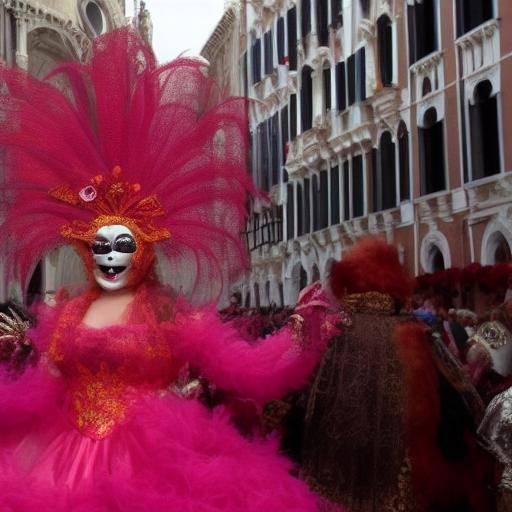
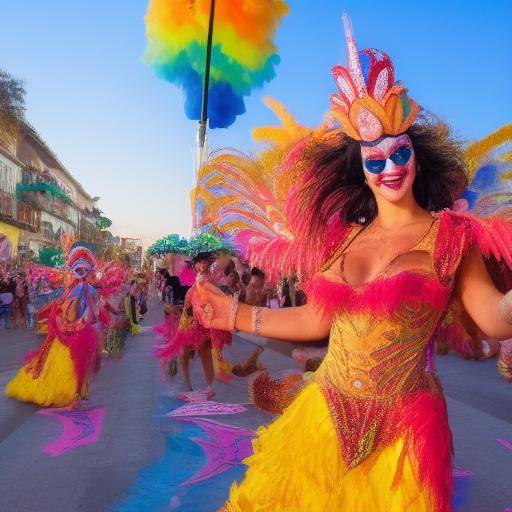
The vibrant culture of the French Quarter is manifested in its festivals, street markets and community events. The neighborhood is known for its live music, with numerous bars and clubs offering jazz, blues and other musical genres. The local community plays a vital role in keeping alive the tradition and authenticity of the neighborhood.
Comprehensive Review of Tourism in the French Quarter
Impact of Tourism
Tourism plays a significant role in the vibrant French Quarter landscape. From historical tours to the colorful nightlife, tourism offers a unique look at the culture and history of the neighborhood. We will analyze in depth how tourism has impacted the French Quarter, examining its current evolution, challenges and trends.
Main attractions
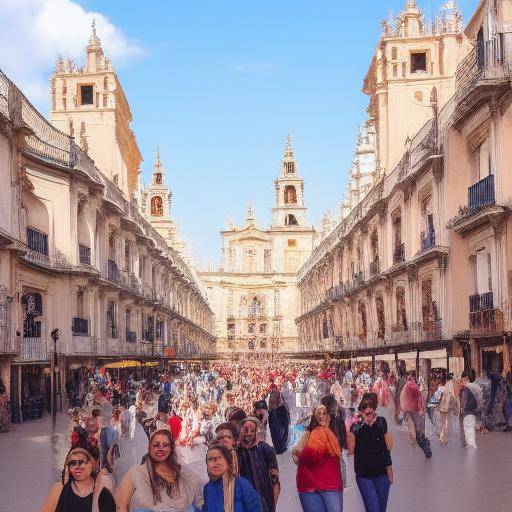
The French Quarter hosts numerous attractions that you can't miss, such as Jackson Square, San Luis Cathedral and the French Market. In addition, Bourbon and Royal streets offer a mix of bars, restaurants and shops that capture the essence of the neighborhood.
Comparative Analysis: French Quarter vs. Tourism in New Orleans
Similarities and Variances
Compare the French Quarter with other tourist attractions in New Orleans sheds light on the uniqueness of this neighborhood. While other neighborhoods such as the Garden District and Warehouse District have their own charm, the French Quarter stands out for its rich history and unique blend of cultural influences.
Potential synergies
The synergies between the French Quarter and other New Orleans neighborhoods can offer a more complete tourist experience. For example, visitors can enjoy a historic tour in the French Quarter in the morning and explore the vibrant art scene of the Warehouse District in the afternoon.
Tips for Visiting the French Quarter
- Explore on foot: The French Quarter is best explored on foot to fully appreciate its architecture and atmosphere.
- Visit in Low Season: To avoid crowds and enjoy a quieter experience, consider visiting outside the high season of tourism.
- Take part in a Guided Tour: A guided tour can offer a deeper understanding of the history and culture of the neighborhood.
- Try Local Gastronomy: Do not miss the opportunity to try iconic dishes such as gumbo, po'boys and beignets.
- Enjoy Live Music: Take advantage of the local music scene and enjoy a jazz night in one of the many clubs in the neighborhood.
Conclusion
The French Quarter of New Orleans is a destination that embodies the rich history, cultural diversity and vibrant energy of this unique city. Its combination of European heritage, African influences and criollas, and its striking tourist scene make it a truly exceptional place. We hope that this guide has awakened your interest and inspires you to embark on an exciting adventure through the streets of the French Quarter of New Orleans.