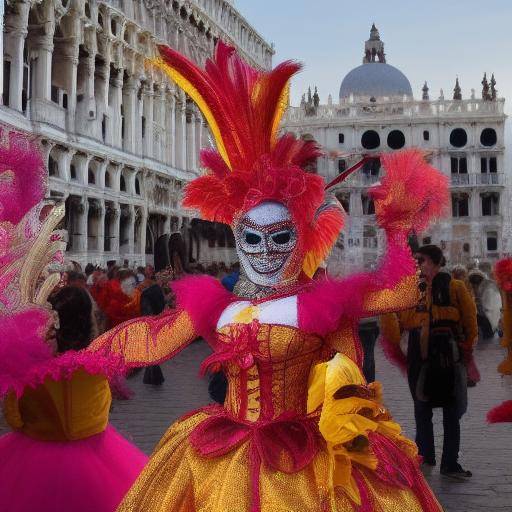
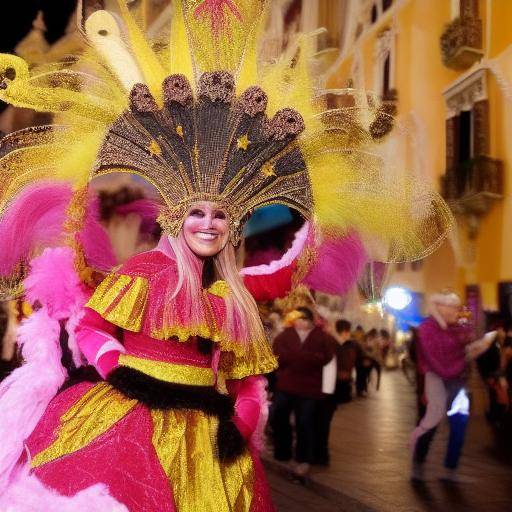
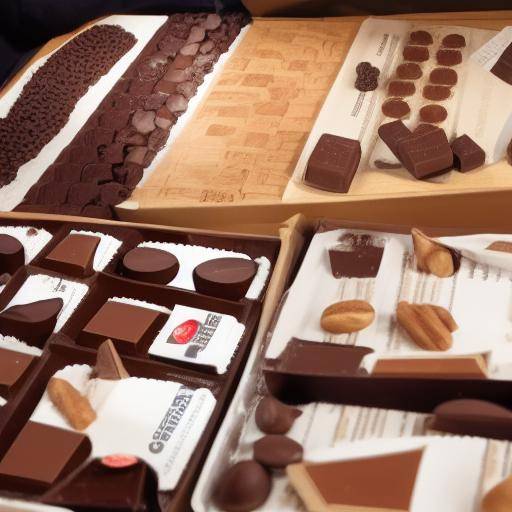
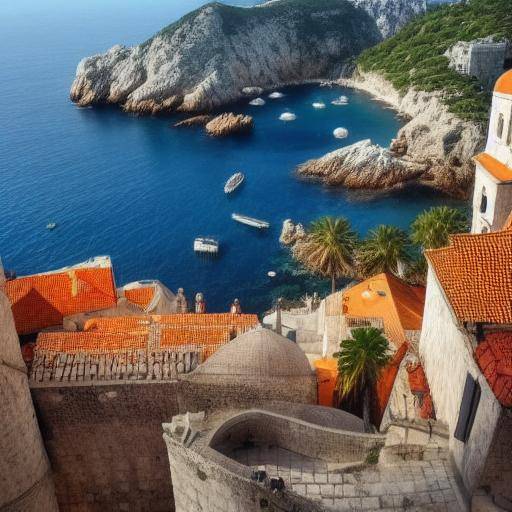
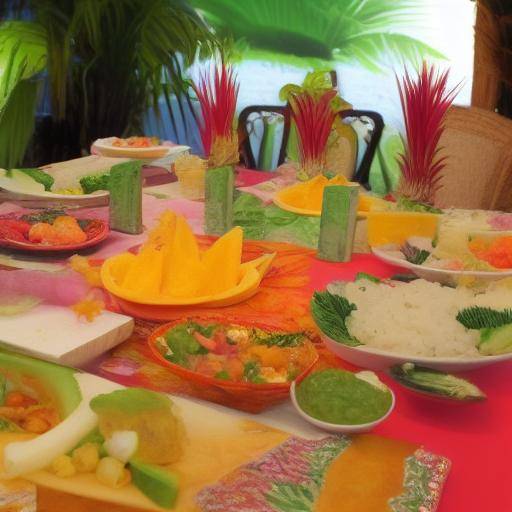
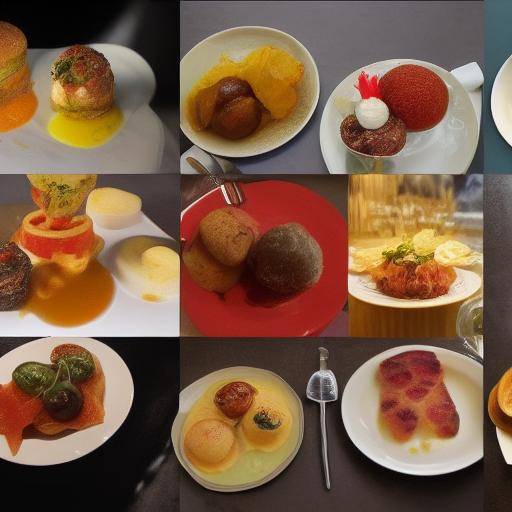
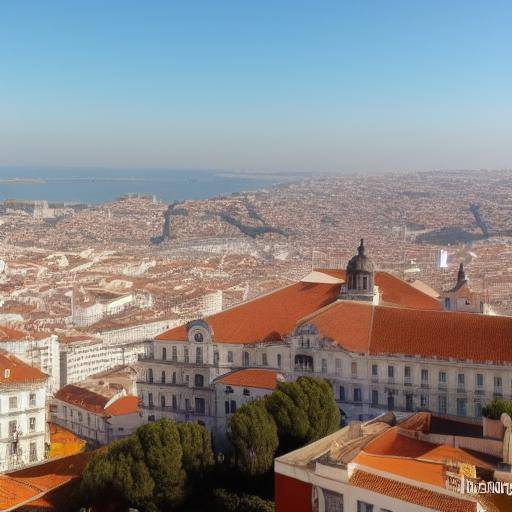
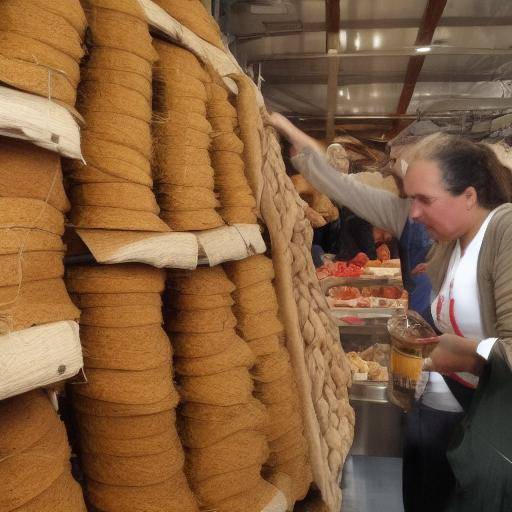
The Carnival of Nice is an emblematic celebration that combines passion for art, music and food in a vibrant festival that attracts visitors from around the world. In this article, we will explore the rich gastronomy associated with this carnival, as well as the local delights that make Nice an exceptional culinary destination in France. From its origins to modern gastronomic trends, we will discover the flavors that make the Carnival of Nice an unforgettable sensory experience.
Introduction
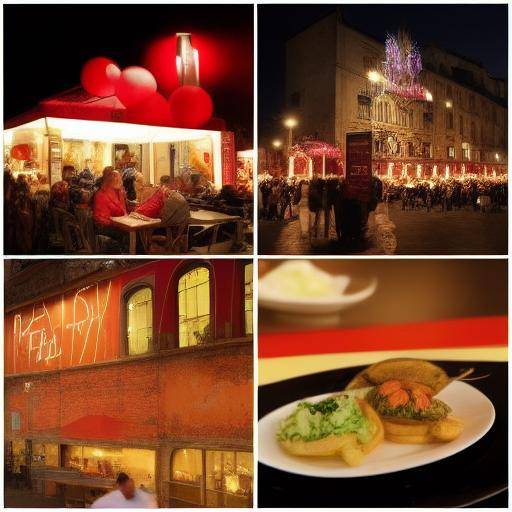
The Carnival of Nice, celebrated in the beautiful city of Nice, on the French Riviera, is one of the most emblematic events in France. During this carnival, the colorful parades, the magnificent floats and the energetic performances fill the streets of Nice, creating a festive atmosphere that loves locals and visitors alike. However, the Carnival of Nice is not only known for its visual spectacle; it is also a celebration of the rich gastronomy of the region, which offers a wide variety of culinary delicacies that reflect the gastronomic tradition and creativity of France.
In this article, we will explore the links between the Carnival of Nice, the gastronomy and France, immersed in the flavors, aromas and textures that make this celebration a feast for the senses. From traditional dishes to local delicacies, we will discover how food plays a crucial role in the Carnival experience of Nice.
History and Background
The Carnival of Nice has roots dating back centuries, with records dating from the Middle Ages. Throughout its history, the carnival has experienced various transformations and evolutions, becoming the majestic show we know today. For centuries, carnival has been a showcase for creativity and cultural expression, and food has been a central element of this celebration.
The Italian influence in the region of Nice has left a significant footprint in its gastronomy, leading to a unique fusion of Mediterranean flavors. The abundance of fresh seafood, olive oil, aromatic herbs and the use of local ingredients has defined the cuisine of Nice over the years, making it one of the most appreciated in France.
Deep analysis
The gastronomy associated with the Carnival of Nice is not only a reflection of the local culinary tradition, but has also evolved to incorporate contemporary influences. Innovative and passionate chefs have brought the cuisine of Nice to new heights, reinterpreting classic dishes with modern techniques and creative presentations. The result is a variety of exquisite dishes that highlight the diversity and gastronomic creativity of the region.
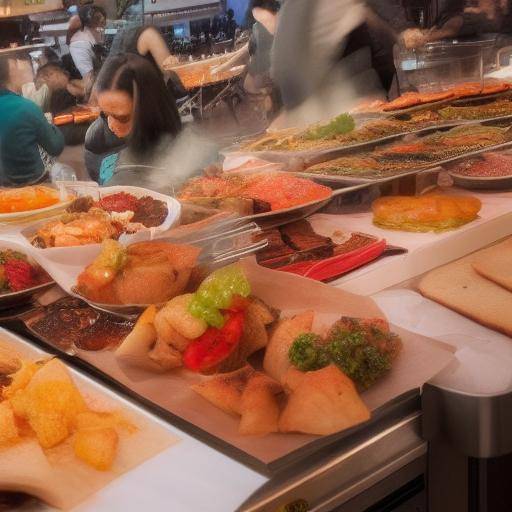
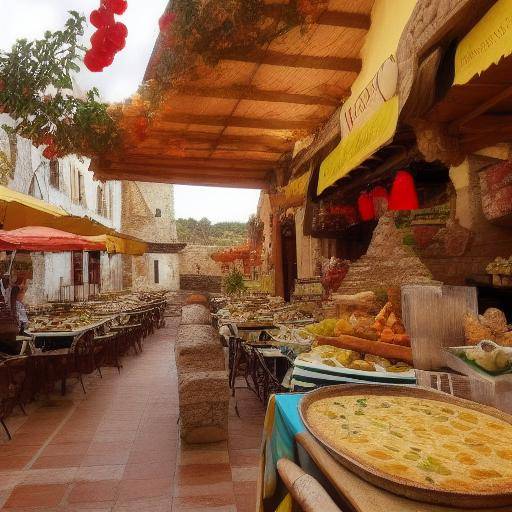
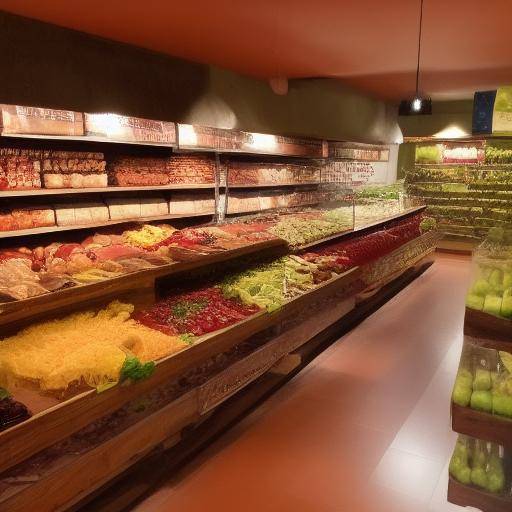
The culinary diversity of Nice is also reflected in its gastronomic scene, ranging from intimate hinges to award-winning high cuisine restaurants. Local markets offer a wide variety of fresh products and handmade products, giving visitors the opportunity to experience the authentic flavors of the region.
Comprehensive review
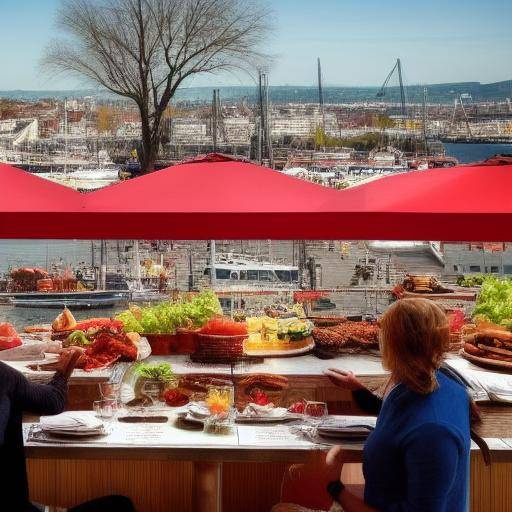
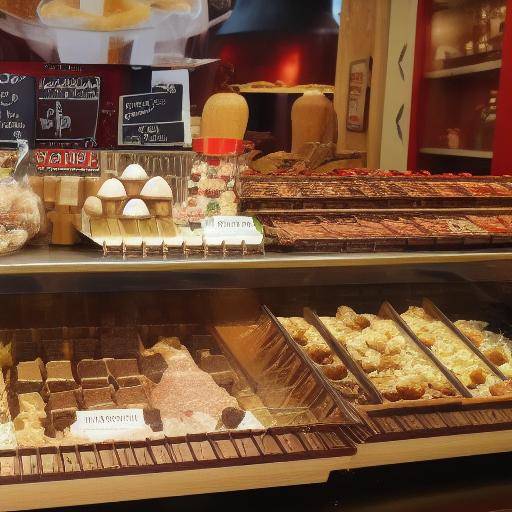
The rich gastronomic heritage of Nice is combined with the festive atmosphere of Carnival to create a unique culinary experience. During the carnival, visitors have the opportunity to enjoy a wide range of local specialties, such as socca, a crunchy and tasty chickpeas cake, or pissaladière, a delicious caramelized and anchovy onion cake. These iconic dishes encapsulate the essence of Nice cuisine and are indispensable for those who want to explore the authentic local cuisine.
Beyond traditional dishes, the Carnival of Nice also offers a variety of culinary activities, ranging from wine tastings and cheeses to cooking classes that allow visitors to immerse themselves in the secrets of Provencal cuisine. These experiences offer a privileged view of passion and care that permeate the gastronomy of the region, providing a deeper understanding of local flavours and traditions.
Comparative analysis
By comparing the Carnival of Nice with other similar celebrations in France, such as the Carnival of Dunkirk or the Carnival of Limoux, it is clear that each region has its own distinctive culinary identity that complements the festive atmosphere. While the Nice Carnival stands out for its focus on Mediterranean flavors and its Italian influence, other celebrations can focus on specific regional ingredients and traditional cooking techniques that reflect their unique heritage.
Practical Tips and Accessible Tips
For those who want to explore the culinary wealth of Nice during the Carnival, it is advisable to look for restaurants and food stalls that offer authentic and fresh dishes made with local ingredients. In addition, participating in culinary events programmed during carnival, such as tastings or cooking classes, provides the opportunity to enjoy a more immersive gastronomic experience. In exploring local markets, it is important to try unique artisanal products and culinary specialities that reflect the rich diversity of flavours of the region.
Conclusions and FAQs
In short, the Carnival of Nice is not only a festival of colors and music, but also a gastronomic feast that celebrates the rich culinary tradition of the region. The combination of traditional dishes, new culinary interpretations and immersive culinary experiences makes the Carnival of Nice an exceptional culinary experience that delights the senses and satisfies the palate.
Frequently asked questions
1. What are the typical dishes that can be enjoyed during the Carnival of Nice?
During the Carnival of Nice, visitors can enjoy emblematic dishes such as the socca, the pissaladière, the niçoise salade, the ratatouille and a wide variety of fresh seafood prepared in various ways.
2. What culinary events take place during the Carnival of Nice?
During the carnival, wine and cheese tastings are organized, cooking classes provided by local chefs and food stalls offering regional specialities.
3. What is the Italian influence in the gastronomy of Nice?
The Italian influence is reflected in the use of aromatic herbs, olive oil, fresh seafood and ingredients such as mozzarella and polenta, which have enriched the cuisine of Nice over the centuries.
4. Where can you find the best restaurants to enjoy the cuisine of Nice during the Carnival?
Visitors can explore the historic districts of Nice, such as the Vieux Nice, to find traditional restaurants and wineries that offer authentic dishes from the region.
5. What is the role of gastronomy in the general experience of the Carnival of Nice?
Gastronomy plays an integral role in the Carnival experience of Nice by providing a tangible expression of local culture and offering a unique way to deepen the authenticity of the region.
6. What varieties of wine are outstanding during the Carnival of Nice?
During the Carnival, the local wines of the region, including the pink and white Provencal wines, are outstanding, complementing the Mediterranean cuisine of Nice.
In conclusion, the amalgam of tradition, innovation and culinary passion makes the Carnival of Nice an incomparable gastronomic event that allows visitors to delight with the delights that France has to offer. With a deep connection to the culinary heritage of the region, the Carnival of Nice not only celebrates gastronomic diversity, but also offers an unforgettable sensory journey that captivates everyone who has the pleasure of enjoying it.