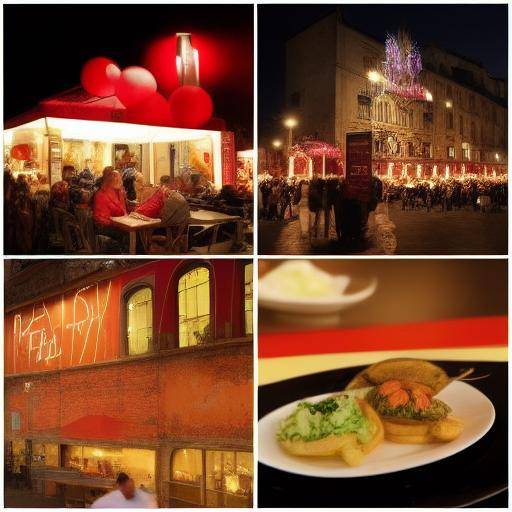
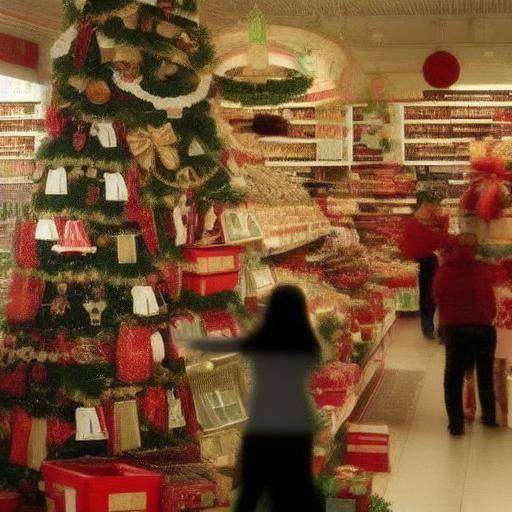
Christmas is a magical era full of traditions, joy and of course, delicious typical meals. In Germany, the celebration of Christmas goes hand in hand with its rich gastronomy, offering a variety of unique flavors that you cannot miss. In this article, we will explore the Christmas delights of Germany, from its historical origins to its current gastronomic tendencies. Discover how Christmas and gastronomy intertwine in this fascinating German culture.
Introduction
Christmas in Germany is a unique experience in which gastronomy plays a central role. From traditional dishes to Christmas treats, every German region has its own specialties that reflect the country's cultural diversity. In this article, you will immerse yourself in the German Christmas gastronomic world, discovering flavors, traditions and recipes that will leave you eager to experience this holiday in person.
History and Background
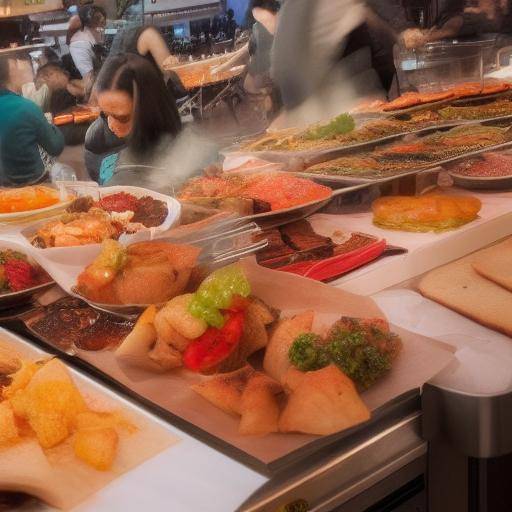
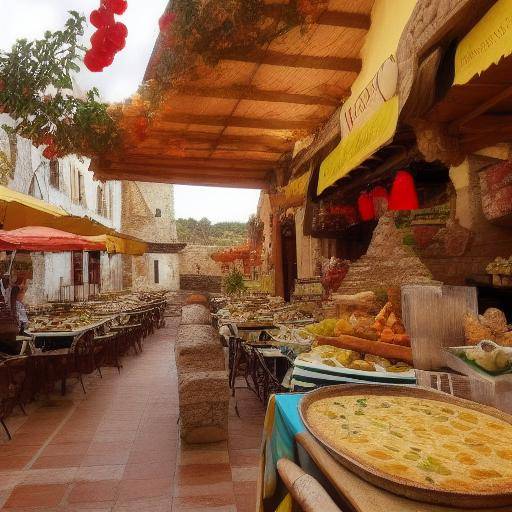
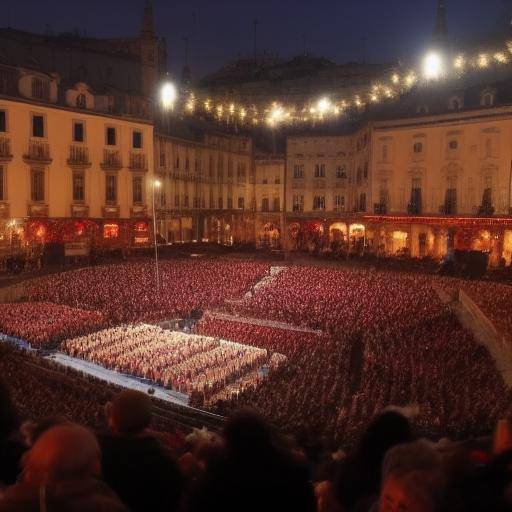
The connection between Christmas and gastronomy in Germany has deep roots dating back to centuries of tradition. During the Middle Ages, the celebration of Christmas was closely linked to culinary customs, with special dishes prepared exclusively for this time of year. Christmas markets, known as "Weihnachtsmärkte", emerged as places where people could enjoy traditional delicacies and buy gifts during the holiday season. Over time, these markets became a pillar of German Christmas, offering a wide range of culinary delicacies.
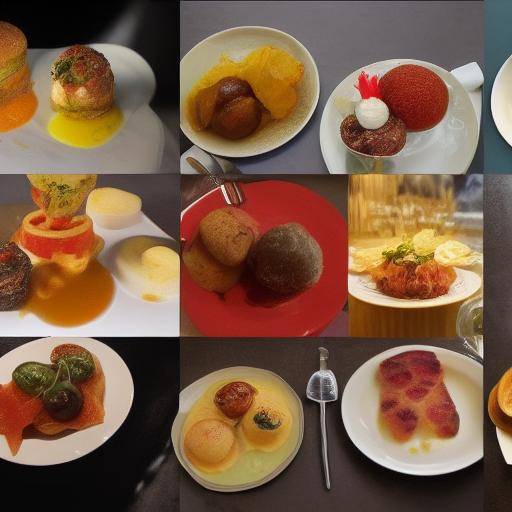
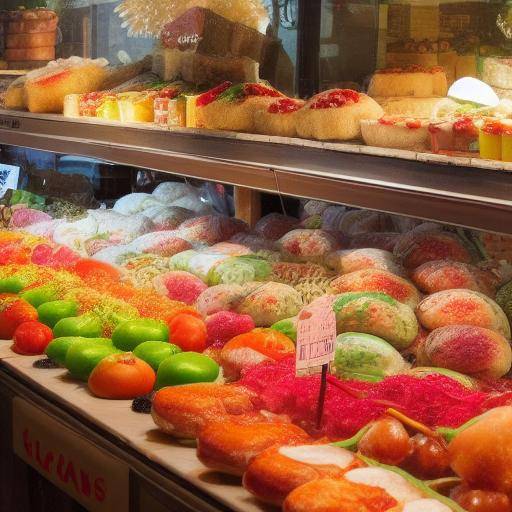
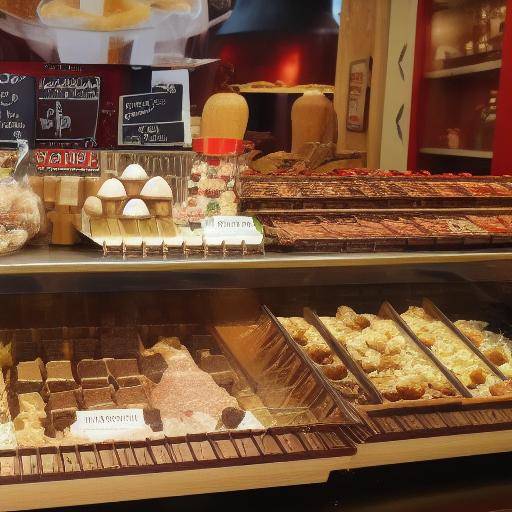
In the culinary sphere, Christmas in Germany stands out for its emblematic dishes such as "Stollen", a sweet bread filled with dried fruit, almonds and spices, which dates back to the 14th century. Other popular dishes include the "Christstollen", a Stollen variant with an additional touch of powdered sugar, and the "Lebkuchen", a type of ginger cookie dating back to the 13th century. These Christmas desserts have become essential elements of the festive table in Germany, transmitted from generation to generation as part of the country's rich culinary heritage.
Christmas traditions in Germany also include culinary rituals, such as the cooking of cookies and the production of spicy hot wines, which provide a welcoming and festive atmosphere during the cold winter nights. In addition, the presence of "Weihnachtsgans" or Christmas goose cannot be overlooked, a traditional dish serving as a focal point for many festive dinners in Germany.
Today, German Christmas gastronomy continues to evolve, merging traditional recipes with modern influences to offer a vibrant and exciting culinary experience.
Analysis in Deep
German Christmas cuisine is not only a celebration of flavours, but also an expression of cultural identity. Typical dishes and sweets reflect the diversity of the German regions, each with its own variations and unique specialities. This culinary wealth provides a framework for exploring local traditions and gastronomic creativity throughout the country.
Economically, Christmas is a crucial season for the food industry in Germany, with a significant increase in the demand for Christmas products. Christmas markets and festivals attract millions of local and international visitors, generating a positive impact on the tourist and hostel sector.
In addition, German Christmas gastronomy has transcended national borders, becoming part of the global festive cuisine. The German Christmas sweets, like the "Marzipan" and the "Dresden Stollen", are exported to many countries, spreading the charm of German Christmas globally. This phenomenon contributes to cultural exchange and the promotion of Germany's rich culinary heritage on the international stage.
Comprehensive review
The combination of Christmas, gastronomy and Germany represents a unique synergy that transcends the purely culinary. The importance of this union goes beyond the festive table, since it covers cultural, social and economic aspects that enrich the Christmas experience. The Christmas season in Germany results in an increase in tourism, the promotion of local crafts and the creation of employment in sectors related to gastronomy and hospitality.
For those who wish to immerse themselves in this unique Christmas atmosphere, travelling to Germany during the holidays offers the opportunity to explore traditional markets, taste typical dishes and participate in local celebrations. This experiential aspect adds value to the connection between Christmas, gastronomy and Germany, allowing visitors to be an active part of these deeply rooted traditions.
Comparative analysis
By comparing Christmas in Germany with other cultures, culinary importance is highlighted as a central element in the celebration. While in other regions of the world Christmas is associated with specific dishes, the wealth and variety of German Christmas cuisine distinguishes it as a unique cultural phenomenon. The influence of gastronomy in the Christmas experience is clearly highlighted in the way that German culinary traditions contribute to the festive atmosphere and the sense of community during the season.
Practical Tips and Accessible Tips
If you have the opportunity to enjoy Christmas in Germany, we recommend visiting Christmas markets to explore the wide range of flavors and aromas they offer. In addition, trying typical regional dishes and sweets will allow you to immerse yourself in the authentic Christmas German gastronomic experience. Do not forget to accompany your meals with a cup of "Glühwein" or hot wine, a popular drink during this season.
Industry Perspectives and Expert Reviews
According to gastronomy experts, Christmas in Germany represents a unique opportunity to experience a fusion of culinary tradition and creativity. The demand for German Christmas products in international markets continues to increase, reflecting the long-lasting attractiveness of German Christmas cuisine on the world stage. Industry professionals highlight Germany's continued commitment to quality and authenticity in its gastronomic offer, which contributes to consolidating its position as a culinary destination of renowned.
Case Studies and Real Life Applications
Examples of the influence of German Christmas cuisine in real life include thematic festivals in different countries that present typical German Christmas products and recipes. These initiatives not only promote German culture, but also generate opportunities for cultural collaboration and the promotion of traditional food. In addition, restaurants and international renowned bakeries incorporate elements of German Christmas gastronomy in their menus during the festive season, attracting the attention of comensales from around the world.
Future Trends and Predictions
As German Christmas gastronomy continues to captivate people from diverse cultures, it is expected that the demand for their iconic products and the celebration of their gastronomic traditions will increase in the future. Globalization and cultural exchange will continue to play a crucial role in expanding the influence of German Christmas and gastronomy worldwide, thus establishing a lasting legacy in the international culinary scene.
Conclusion
Christmas in Germany offers a unique gastronomic experience that combines tradition, taste and diversity. From Christmas markets to emblematic dishes, the culinary wealth of Germany during the holiday season is truly unmatched. Submerged in this culinary celebration will allow you to appreciate not only the flavors, but also the history and culture that have shaped these traditions. The connection between Christmas, gastronomy and Germany is a testimony to the richness and diversity that this celebration brings to the global culinary panorama.
FAQs
What are the main dishes of Christmas cuisine in Germany?
Christmas cuisine in Germany includes dishes such as the "Weihnachtsgans" (Christmas goose), the "Stollen", the "Lebkuchen" and a variety of sausages and sausages, depending on the region.
What drinks are popular during Christmas in Germany?
The "Glühwein" or spicy hot wine is a traditional drink that is enjoyed during Christmas in Germany. Also popular are the varieties of aromatized hot beer and liqueurs.
What is the role of Christmas markets in German gastronomy?
Christmas markets in Germany are key culinary points during the holiday season, offering a wide range of traditional foods, sweets and drinks to enjoy and share in a festive atmosphere.
Do Christmas culinary traditions vary according to regions in Germany?
Yes, Christmas culinary traditions vary significantly according to the regions in Germany, which reflects the country's cultural and gastronomic diversity.
Why is Christmas gastronomy important in Germany?
Christmas gastronomy in Germany is important not only for its cultural and traditional meaning, but also for its economic impact, contributing to the vitality of the food and tourism sector of the country.
How do Christmas holidays take place in Germany?
Christmas holidays in Germany often include visiting Christmas markets, decorating trees and homes, and celebrating Christmas Eve with a holiday dinner.
With this guide, you are prepared to enter the fascinating universe of Christmas delights in Germany. Explore, enjoy and be captivated by the unique flavors that this festive season has to offer. Merry Christmas and "Guten Appetit"!