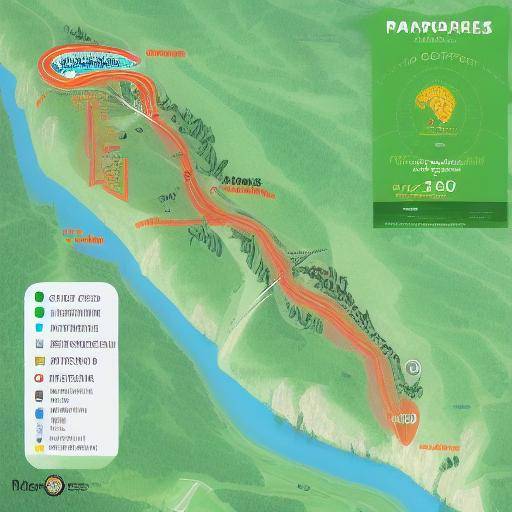
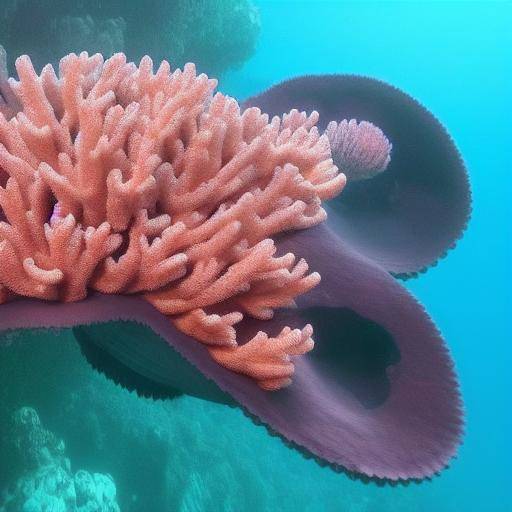
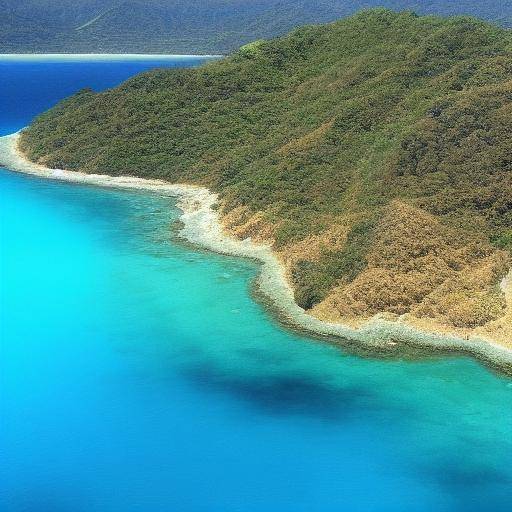
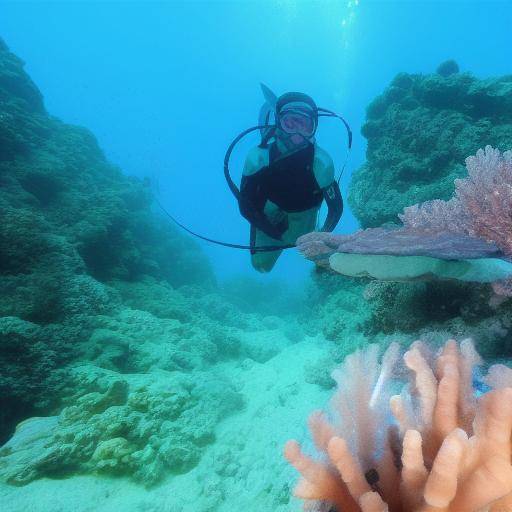
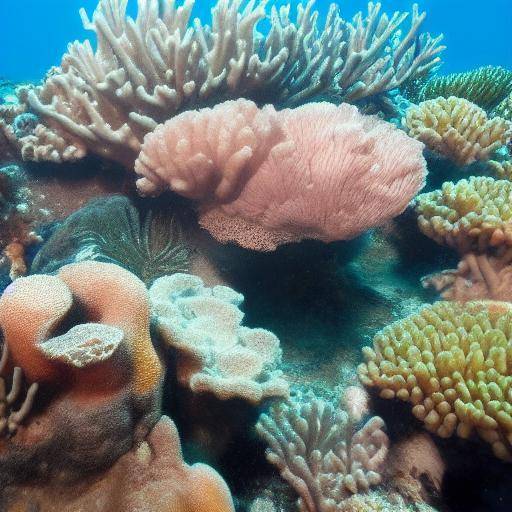
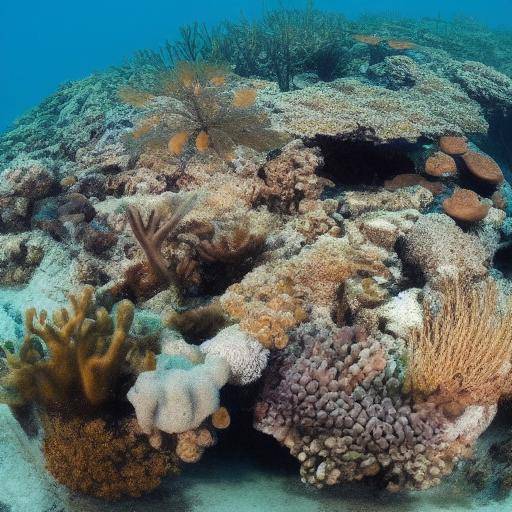
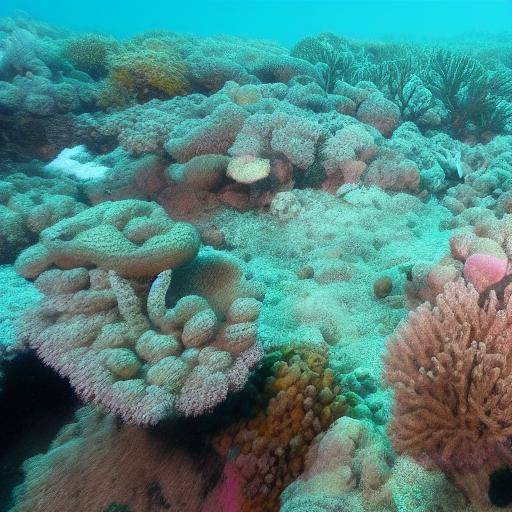
The Great Barrier of Coral is one of the most impressive natural treasures in the world. With rich biodiversity and vital importance for ecological balance, this marine ecosystem is a wonder of nature that deserves to be explored and protected. In this article, we will immerse ourselves in the biodiversity of the Great Barrier of Coral, exploring its unique species and the complex ecosystems that make up it. From its history and background to future trends and predictions, we will address all important aspects related to the Great Barrier of Coral, biodiversity and nature.
Introduction
The Great Barrier of Coral, located in the warm waters of the Coral Sea, off the coast of Queensland, Australia, is the largest living structure on Earth. With an extension of more than 2,300 kilometers, this reef system hosts an incredible diversity of marine life, including thousands of fish species, corals, molluscs, crustaceans, and many more. The biodiversity of this ecosystem is fundamental to its persistence and its importance is not limited only to its waters, but has an impact at the global level.
History and Background
The history of the Great Barrier of Coral dates back thousands of years, when the first indigenous inhabitants of Australia began to depend on their marine resources. Over the centuries, the Barrera has witnessed various events, from the arrival of European explorers to the development of tourism in the region. Although it has been a popular tourist destination for decades, the Barrera has also experienced significant environmental pressures, such as climate change and pollution.
In 1981, the Great Barrier of Coral was declared a World Heritage Site by UNESCO, recognizing its biological importance and its exceptional value. However, despite this designation, the ecosystem continues to face challenges for its preservation.
Analysis in Deep
The biodiversity of the Great Barrier Reef is amazing, with countless species that depend on this ecosystem to survive. However, increased water temperature, ocean acidification, pollution and overfishing pose significant threats to their biodiversity. These factors affect both marine and coral species that build the reefs, which puts at risk the stability of the entire ecosystem.
Sustainable management and conservation are key to addressing these challenges. Many organizations, both governmental and non-governmental, are working on monitoring, education and advocacy programs to protect the biodiversity of the Great Barrier in Coral.
Comprehensive review
The value of biodiversity in the Great Barrier of Coral goes beyond its natural beauty and its ecological importance. It also plays a crucial role in the economy, generating employment through tourism, fishing and research. Healthy ecosystems contribute to vital services such as coastal protection, food and medicine, and climate change mitigation.
Comparative analysis
By comparing the biodiversity of the Great Barrier of Coral with other marine ecosystems, its unique features and the biological diversity that makes it exceptional are highlighted. While sharing similarities with other reefs around the world, its size and complexity make it a crucial case of study to understand the importance of marine biodiversity.
Practical Tips and Accessible Recommendations
While the Great Barrier of Coral faces significant challenges, there are ways in which individuals and communities can contribute to their conservation. Recycle, reduce plastic consumption, support sustainable fishing and tourism practices, and spread awareness about the importance of biodiversity are concrete actions that can make the difference in the long term.
Industry Reflections and Expert Reviews
From the perspective of the experts, it is recognized that the biodiversity of the Great Barrier of Coral is an invaluable resource that must be protected. Marine conservation experts, marine biologists and environmental scientists are constantly investigating and proposing solutions to preserve this fragile ecosystem.
Case Studies and Applications in Real Life
More and more, the benefits of maintaining biodiversity at the Great Barrier Reef are recognized. Through case studies, it has been shown that conservation of reefs not only protects marine life, but also benefits local communities and biodiversity in general.
Future Trends and Predictions
As awareness of the importance of marine biodiversity continues to grow, significant progress is expected in the protection of the Great Barrier Reef in the coming years. However, additional challenges are also envisaged as climate change and human pressure continue to increase.
Conclusion
The Great Barrier of Coral and its unique biodiversity are a treasure to be protected for future generations. By taking concrete measures to preserve this ecosystem, we can guarantee its survival and well-being of the species that depend on it. Biodiversity is the basis of life on Earth, and every action we take to protect it has a significant impact.
Frequently asked questions
What are the main threats to the biodiversity of the Great Barrier Reef?
The main threat is climate change, which causes coral bleaching and ocean acidification. Pollution, overfishing and coastal development also represent significant challenges.
What measures are being taken to protect the biodiversity of the Great Barrier Reef?
Monitoring, public education, fisheries regulations and the creation of marine protected areas are being implemented to protect biodiversity and ecosystems.
How can I contribute to the conservation of the Great Barrier Reef?
You can support sustainable practices, reduce plastic consumption, support marine conservation organizations and raise awareness of the importance of marine biodiversity.
How does the biodiversity of the Great Barrier of Coral affect the local economy?
Biodiversity supports industries such as tourism and fishing, generating employment and contributing to the local economy.
What is the role of the Great Barrier of Coral in the global ecological balance?
The Great Barrier of Coral plays a crucial role in global ecological balance by providing habitat for countless marine species and contributing to the stability of marine ecosystems in general.
How can future changes in the biodiversity of the Great Barrier Reef be foreseen?
Scientists use data on water temperature, ocean acidification, pollution and other factors to predict future biodiversity changes and take preventive measures.
The biodiversity of the Great Barrier of Coral is an exciting and crucial theme for the health of our marine ecosystems. In understanding its importance, challenges and potentialities, we are taking a step forward in protecting this valuable natural heritage. It is our responsibility to care for and preserve this ecosystem for generations to come.
With this information, we hope to have provided an integral vision of the biodiversity of the Great Barrier of Coral, establishing a basis for reflection and concrete action for its conservation and preservation.