The Gran Barrera de Coral, located in Australia, is one of the most impressive tourist destinations in the world. This article will guide you through its history, importance, current challenges, comparisons with other tourist destinations and Australia, as well as future trends. You will also find practical advice, expert opinions, case studies, predictions and answers to frequently asked questions.
Introduction
Australia hosts one of the most impressive natural treasures on the planet: the Great Barrier of Coral. This wonder of nature, which extends over 2,300 kilometers, is home to a unique biodiversity. Exploring this aquatic ecosystem is an adventure that allows us to marvel at the natural beauty of the planet. In this guide, we will discover everything you need to know to explore the Great Barrier of Coral, its connections to tourism and its impact on Australia.
What is the Great Barrier of Coral?
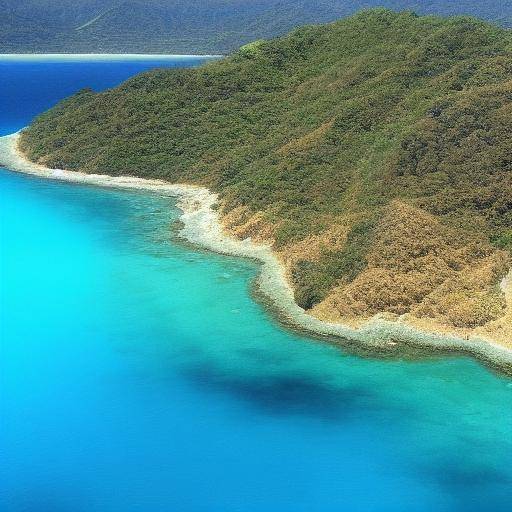
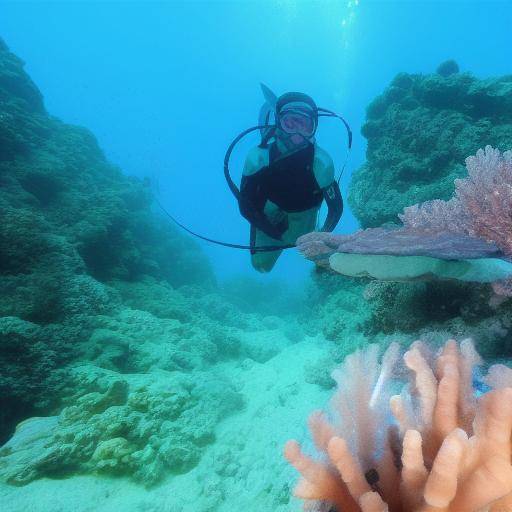
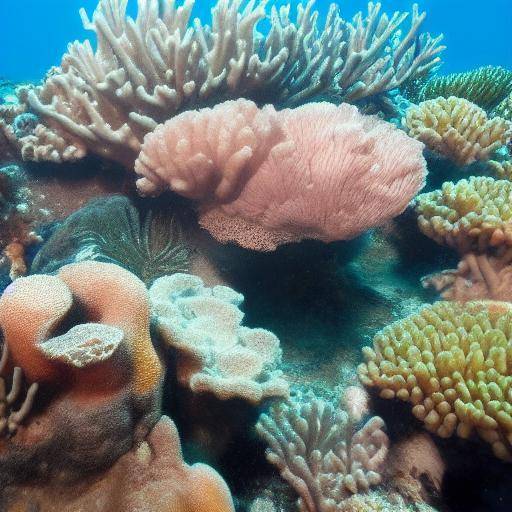
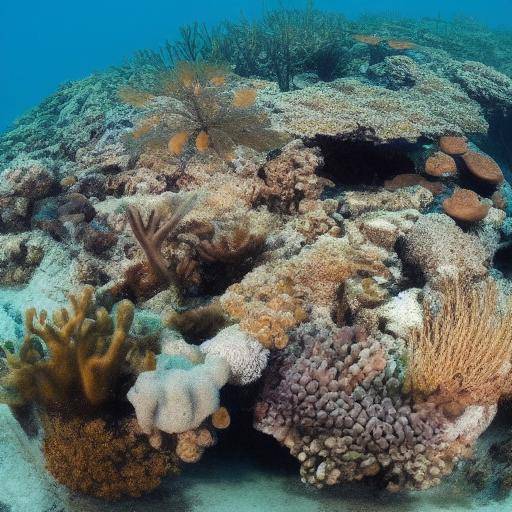
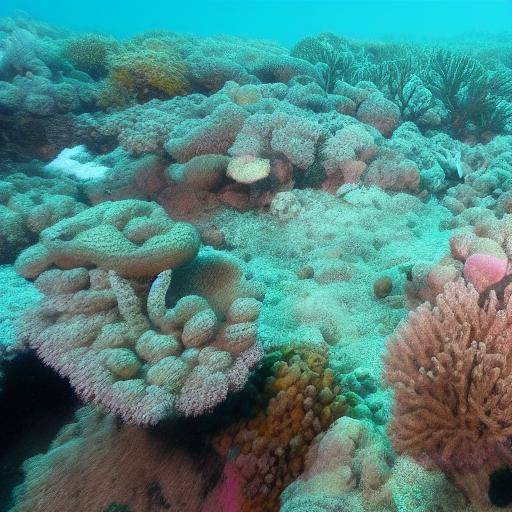
La. Gran Barrera de Coral is the world's largest coral reef system. Located on the northeast coast of Australia, it is one of the most sought after snorkeling and diving destinations in the world. Its crystal clear waters host an extraordinary diversity of marine life, including thousands of fish species, corals, and other forms of aquatic life.
Importance for tourism and Australia
The Great Barrier of Coral is a magnet for tourism in Australia, attracting millions of visitors every year. Its contribution to the tourism industry is significant, generating employment and wealth for the region. Moreover, its preservation is essential to Australia ' s environmental and economic sustainability.
History and Background
Origins and Evolution
The origins of the Great Barrier of Coral date back to more than 500,000 years, when the first corals began to form in what today is the reef. Throughout history, the relationship between humanity and the Great Barrier of Coral has experienced various stages, from its discovery by European explorers in the eighteenth century to its current importance as a tourist destination and scientific research center.
Discovery and Exploration
The first sighting of the Great Barrier of Coral by Europeans was recorded during the expedition of Captain James Cook in 1770. From then on, the Great Barrier of Coral became a key destination for explorers and scientists from around the world.
Significant developments
Over the centuries, the Great Barrier of Coral has witnessed important developments, both positive and negative. From the protection of key areas to the challenges of climate change, its background reflects the complexity of managing this unique ecosystem.
Protection and Conservation
The recognition of the ecological importance of the Great Barrier of Coral led to the creation of marine parks and protected areas. These efforts seek to preserve the natural wealth of the reef and ensure its long-term survival.
Analysis in Deep
Benefits and Challenges
The Great Barrier of Coral provides a wide range of benefits, from biodiversity to tourist attraction. However, it also faces critical challenges, including coral bleaching, pollution and sustainable management of tourism activities.
Current trends
Tourism at the Great Barrier Reef has undergone significant changes in recent years. Current trends reflect growing awareness of marine conservation and increased demand for genuine and sustainable tourism experiences.
Comprehensive review
Applications and Best Practices
The Great Barrier of Coral has been the subject of numerous studies and conservation projects. These experiences have served as examples for the management of other marine ecosystems and the promotion of sustainable tourism.
Expert perspectives
The contribution of experts in the field of tourism and marine conservation is crucial to understanding the complexities associated with the Great Barrier Reef. Their views and recommendations contribute to the development of effective strategies for the sustainable management of the region.
Comparative analysis
Gran Barrera de Coral vs. Other Tourist Destinations
Compare the Great Barrier of Coral with other tourist destinations allows you to identify your strengths and weaknesses, as well as learn from the successful practices applied in other places of the world. This comparison offers a comprehensive view on the impact of tourism on local ecosystems and communities.
Australia: Global Context
Australia, as the host country of the Great Barrier Reef, plays a key role in its conservation and management. Exploring the relationship between the Great Barrier of Coral and Australia allows us to understand how the protection of this natural heritage is integrated into national policies and identity.
Practical Tips and Recommendations
How to Enjoy the Great Barrier Reef
Exploring the Great Barrier of Coral with responsibility is essential to preserve its beauty and diversity. By following certain guidelines and adopting sustainable practices, visitors can enjoy this natural wonder without compromising their future.
Positive Impact of Tourism
Sustainable tourism can be a positive force for the conservation of the Great Barrier Reef and the well-being of local communities. Understanding the potential impact of tourism helps promote responsible tourism practices and equitable benefits.
Perceptions of Industry and Expert Reviews
Reflections on the Future of Tourism at the Great Barrier of Coral
Professionals and leaders of the tourist industry offer valuable insights on how to address the current and future challenges of tourism at the Great Barrier Reef. Their perspectives shed light on possible approaches and solutions to existing problems.
Case Studies and Practical Applications
Examples that Inspire
Case studies show how various organizations and communities are addressing the challenges associated with tourism in the Great Barrier Reef. These real examples offer important lessons and demonstrate that a balance between tourism and conservation is possible.
Future Trends and Predictions
The Future of the Great Barrier of Coral and Tourism
Emerging trends in the field of tourism and marine conservation point to a future full of challenges and opportunities. The anticipation and preparation for these changes are essential to ensure the long-term sustainability of the Great Barrier Reef and its surroundings.
Conclusion
The Great Barrier of Coral is an invaluable natural heritage that requires care and attention for its long-term survival. As a tourist destination, its impact goes beyond recreation and entertainment. By understanding its importance, challenges and potential, we can contribute to its conservation and enjoy its beauty responsibly.
Frequently asked questions (FAQs)
What is the best time to visit the Great Barrier Reef?
The best time to visit the Great Barrier of Coral is during the spring months (September to November) and autumn (March to May). In these periods, climate conditions are often more stable and conducive to aquatic activities.
How can I contribute to the conservation of the Great Barrier Reef during my visit?
Contributing to the conservation of the Great Barrier of Coral during your visit is crucial for its long-term preservation. Some ways of doing so include respecting diving and snorkeling standards, supporting tourism operators committed to sustainable practices and participating in marine life monitoring programmes.
What measures are being taken to address coral bleaching at the Great Barrier Reef?
Coral whitening is a serious problem affecting the Great Barrier Reef. To address this, various measures are being implemented, such as pollution limitation, the regulation of tourist activities and the promotion of environmental awareness both locally and globally.
How can I experience the Great Barrier of Coral if I can't swim or dive?
Even if you can't swim or dive, you can still experience the beauty of the Great Barrier of Coral through boat trips with underwater vision, kayaking with transparent background or semi-submersible tours. These options will allow you to admire marine life without having to immerse yourself in water.
What are the most urgent challenges facing the Great Barrier Reef today?
The Great Barrier of Coral faces several critical challenges today, including coral bleaching, ocean acidification, marine pollution and the impact of climate change. These challenges require coordinated actions at the local, national and international levels for mitigation.
What sustainable tourism opportunities does the Great Barrier of Coral offer?
The Gran Barrera de Coral offers numerous opportunities for sustainable tourism, including ecotourism, adventure tourism and environmental education. These forms of tourism promote conservation of marine biodiversity and contribute to the well-being of local communities.
What impact does tourism have on the local economy of the Great Barrier Reef region?
Tourism in the Great Barrier Reef region plays a crucial role in the local economy, generating employment, income and business opportunities. However, it is essential to balance tourism growth with the preservation of the ecosystem to ensure long-term benefits.
In short, exploring the Great Barrier of Coral is a unique experience that offers the opportunity to connect with nature and understand the importance of its conservation. With a deeper understanding of the history, challenges and potentialities of the Great Barrier Reef, we can contribute to your protection and enjoy your wonders with responsibility.