Mount Kilimanjaro, a majestic mountain located in Africa, is a natural wonder that has awakened the curiosity and awe of explorers, scientists and lovers of the environment. Its imposing presence and unique features make it a geological icon with a fascinating history behind it.
In this article, we will thoroughly explore the geological origin of Mount Kilimanjaro, identifying ourselves in its formation, historical evolution and its relevance today. We will discover the secrets that hide this wonder of nature and how its history has left an imprint in the world. Get ready for a journey through time and the unique geology of this African wonder!
History and Background of Mount Kilimanjaro
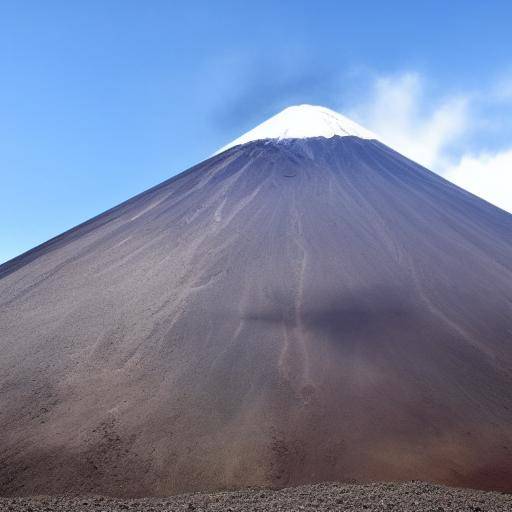
Mount Kilimanjaro, located in Tanzania, is the highest independent mountain in the world, with its snow-covered peaks challenging the African sky. It has been a landmark in the region for centuries, creating myths and legends that still echo in local culture. The history of the Kilimanjaro dates back millions of years, when geological forces shaped its distinctive form.
The true story of Mount Kilimanjaro begins with the formation of the Rift Valley, a system of geological faults in East Africa that eventually gave rise to the mountain. Over millions of years, volcanic eruptions and tectonic movements created an enabling environment for the emergence of Kilimanjaro in its current form. This intricate geological process formed the basis of what would become one of the most important natural wonders on the African continent.
The historical evolution of Mount Kilimanjaro is equally fascinating. From its discovery by European explorers in the nineteenth century to its recognition as a World Heritage Site by UNESCO in the twentieth century, Kilimanjaro has witnessed countless events that have forged its legacy in world history. The mountain has been a source of inspiration for artists, writers and scientists, and its cultural and historical importance continues to transcend borders.
The Deep Analysis of Mount Kilimanjaro
Entering the geological heart of Kilimanjaro, we find a true treasure of knowledge and discoveries. Its unique geological composition, marked by the presence of Kibo, Mawenzi and Shira peaks, offers an incomparable setting for the study of the history of the Earth and its processes.
The snow layer that crowns the Kibo has been the subject of intense research, as its presence in a tropical environment challenges the geographical conventions. The Kilimanjaro glaciers, thousands of witnesses to climate change, provide valuable information on the evolution of climate on the African continent and the world at large. Minucious geological studies reveal how these glaciers have retreated over the decades, offering a unique window to the impact of climate change.
The encounter of geology and history on Mount Kilimanjaro not only allows us to better understand the past of the Earth, but also challenges us to consider its future. The conservation of Kilimanjaro, both in geological and historical terms, has become a global priority in the struggle to preserve our natural heritage against the challenges of climate change and human activity.
The Integral Examination of Mount Kilimanjaro
The geological and historical legacy of the Kilimanjaro transcends its mere physical existence, influencing the life and culture of the surrounding communities. From the importance of the water provided by the melting of its glaciers to the symbolic relevance that the mountain has in the identity of the region, the Kilimanjaro is erected as a historical and cultural beacon that guides the steps of entire generations.
In a constantly evolving world, the preservation of Mount Kilimanjaro is of crucial importance. Efforts to protect their geological environment and historical legacy present significant challenges, but also promise invaluable rewards. The conservation of Kilimanjaro not only protects a natural monument of immense value, but also promotes awareness of the importance of protecting our planet for future generations.
Comparative Analysis: Kilimanjaro, Geology and History
By contrasting the greatness of Mount Kilimanjaro with the geological principles that sustain it and its impact on human history, similarities and differences that enrich our understanding are revealed. The intricate relationship between landscape, geology and historical narrative invites us to explore the deep connections between these seemingly disparate spheres.
Mount Kilimanjaro is not only a wonder of nature, but also a living witness of the earth itself. Their existence and evolution keep remarkable parallels with the history of humanity, offering a unique perspective on the flow of time and the pervival of the planet through eras. This comparative analysis allows us to appreciate the interdependence between geology, history and the natural environment, highlighting the importance of considering these connections in our understanding of the world.
Practical Tips and Accessible Recommendations
If you are interested in exploring Mount Kilimanjaro, its geology and its history, here are some practical recommendations:
- Join a guided expedition to explore the geological puzzles of Kilimanjaro and get a unique perspective on their history.
- Research on mountain conservation projects and discover how you can contribute to the protection of this natural heritage.
- Immerse yourself in the specialized literature on the geology of Kilimanjaro and its historical relevance to acquire a deeper understanding of this amazing natural phenomenon.
Conclusions and FAQs
Conclusions
Mount Kilimanjaro stands as a geological and historical monument of immense value, whose existence and legacy transcend borders and continents. His unique geology and relevance in human history give him a prominent place in the collective imagination, inspiring admiration and respect to the same extent. This wonder of nature reminds us of the importance of preserving our planet and honoring its legacy for future generations.
Frequently asked questions
How was Mount Kilimanjaro formed from a geological point of view?
Mount Kilimanjaro was formed through tectonic processes and volcanic activities over millions of years, leading to its unique morphology and geological composition.
What is the historical importance of Mount Kilimanjaro?
Mount Kilimanjaro has been a cultural and historical landmark in the region, serving as a source of inspiration and legacy for local communities and humanity in general.
What are the current challenges for the conservation of Mount Kilimanjaro?
The conservation of Mount Kilimanjaro faces challenges such as climate change, human activity and the preservation of its natural environment, which requires concerted efforts at local and international levels.
How can I contribute to the conservation of Mount Kilimanjaro?
You can contribute by supporting conservation projects, promoting awareness of their importance and adopting sustainable practices that protect the natural environment around Mount Kilimanjaro.
What lessons can we learn from Mount Kilimanjaro in geological and historical terms?
Mount Kilimanjaro teaches us about the interconnection between geology, history and culture, providing valuable lessons on the importance of preserving our natural heritage and promoting understanding of the history of our planet.
What is the impact of Mount Kilimanjaro on local culture?
Mount Kilimanjaro plays a significant role in local culture, being the source of myths, legends and sense of identity for the surrounding communities, while providing vital resources for their livelihoods.
We hope that this thorough exploration of the geological origin of Mount Kilimanjaro, its history and its relevance has awakened your interest and provided you with a deeper understanding of this unique natural phenomenon. By understanding its geology, history and impact on society, we can appreciate the importance of preserving and protecting this wonder of nature for future generations.
Remember that Mount Kilimanjaro is not only a majestic summit, but also a monument to geological tenacity and a witness to the history of the Earth. His legacy endures in time, inviting us to reflect on our role as guardians of our planet and its history.