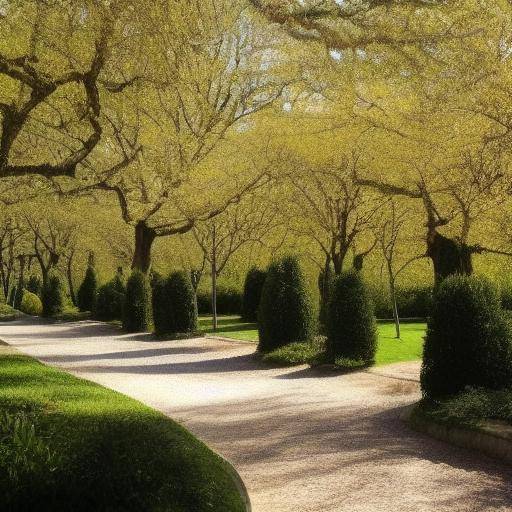
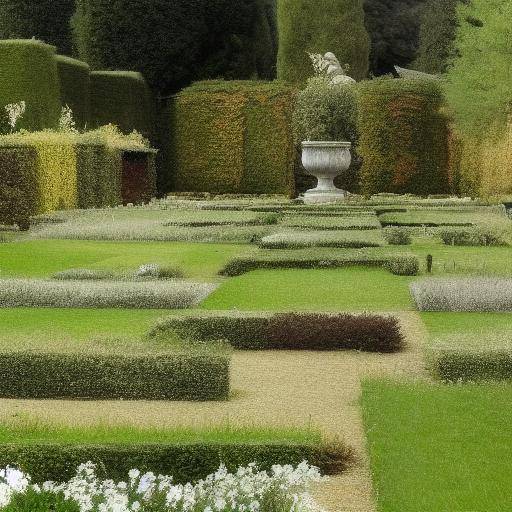
The gardens of the Royal Palace of Madrid are an emblematic jewel that captivates visitors from around the world. With its exquisite symmetry, lush vegetation and meticulous design, these historic gardens are a living testimony of the grandeur of the Spanish monarchy. In this article, we will explore the history, beauty and relevance of these gardens, as well as their impact on the Spanish capital, Madrid. We will thoroughly discover the magic of these gardens and their cultural, tourist and architectural importance.
Introduction
The gardens of the Royal Palace, also known as the Sabatini Gardens, are a must stop for nature lovers, history and architecture. Located in the heart of Madrid, these gardens offer a quiet escape from the bustle of the city, with its perfect combination of classic elegance and lush landscape. In this article, we will explore the rich history, sublime design and contemporary influence of these gardens, plunging into their fascinating legacy.
History and Background
The gardens of the Royal Palace have their roots in the 18th century, when King Philip V commissioned his construction in the Italian neoclassical style. Since then, these gardens have witnessed historic events, changes in architectural trends and the evolution of Madrid as a modern capital.
The symmetrical design of the gardens, influenced by the Roman and Renaissance architecture, reflects the refined aesthetic of the time. With ornamental fountains, elegant sculptures and winding paths, the gardens offer a unique visual spectacle that has resisted the test of time.
Analysis in Deep
The gardens of the Royal Palace are not only a historic monument, but also an oasis of biodiversity in the middle of the city. With a wide range of native and exotic flora, these gardens are a sanctuary for wildlife and an example of conservation in an urban environment. In addition, its carefully planned design serves as inspiration for contemporary architects and landscapers.
Full review
The influence of the gardens of the Royal Palace extends beyond its status as a tourist attraction. Its architecture and design have influenced landscape projects around the world, and its role as a cultural space is fundamental to the identity of Madrid.
Comparative analysis
Comparatively, the gardens of the Royal Palace stand out for their meticulous planning and ability to merge nature with architecture harmoniously. In contrast, other parks and gardens in Madrid, such as the Retiro Park, offer a more informal and recreational experience.
Practical Tips and Accessible Tips
When visiting the gardens of the Royal Palace, it is advisable to take the time to explore every corner, discover the hidden sources and appreciate the symmetry that defines them. It is also important to respect the natural environment and follow the regulations established to preserve the integrity of these amazing gardens.
Industry ideas and Expert Reviews
According to experts in landscape architecture, the gardens of the Royal Palace represent a historic milestone in the development of formal gardens in Europe. His influence on the design of urban landscapes has been significant, and his legacy endures in numerous contemporary examples.
Case Studies and Real Life Applications
One notable case is the adaptation of the design principles of the Royal Palace gardens in modern urban sustainability projects, where the integration of vegetation in built environments improves the quality of life of citizens and contributes to the mitigation of climate change.
Future Trends and Predictions
As awareness of the importance of green spaces in cities continues to grow, the Royal Palace gardens are expected to remain a benchmark in urban planning and the conservation of natural heritage.
Conclusions
In short, the Royal Palace gardens are much more than just a park. They are a living testimony of rich human history and creativity, a tribute to the beauty of nature and a lasting legacy for future generations. Their impact on the identity of Madrid and their influence on global landscape design make them an invaluable treasure that deserves to be appreciated and preserved.
Frequently asked questions
What plant species can be found in the gardens of the Royal Palace?
The gardens host a wide variety of species, from lush trees to exotic ornamental plants, offering a diverse and captivating botanical show.
Are the Royal Palace Gardens open to the public all year?
Yes, the Royal Palace gardens are open to the public all year round, offering different landscapes and seasonal activities to enjoy on every visit.
Can events or celebrations be held in the gardens of the Royal Palace?
Yes, the Royal Palace Gardens are a popular stage for cultural events, outdoor concerts and special celebrations, adding a touch of magic to any occasion.
What is the economic impact of the Royal Palace gardens in the city of Madrid?
The attraction of tourists and the dynamization of commercial activity around the gardens contribute significantly to the local economy and to sustainable tourism in Madrid.
How do the Royal Palace Gardens stay in their current state?
The maintenance of the gardens of the Royal Palace is carried out in a meticulous manner, following sustainable practices and respecting the historical and natural legacy of the place.
What is the best time of the year to visit the gardens of the Royal Palace?
Each season offers a unique perspective of the gardens, but spring, with its explosion of colors and aromas, is especially recommended to appreciate the beauty of the gardens in full.
With its rich history, contemporary impact and timeless beauty, the Royal Palace gardens inspire admiration and awe in those who have the fortune to visit them. His legacy endures as a reminder of the harmony between human beings and nature, and as a tribute to the human capacity to create spaces of true beauty.