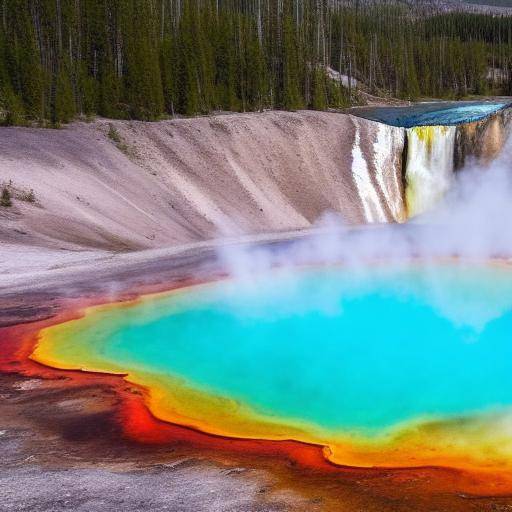
The gardens of Asia are true jewels of nature that reflect the harmony between man and the natural environment. From lush botanical gardens to peaceful Zen gardens, every corner of this continent offers a unique and enriching experience. Dive into the beauty of Asia's most beautiful gardens and discover the serenity they bring with them. In this article, I will guide you through a tour of these spectacular landscapes, exploring their history, unique features, current trends and much more.
Introduction
Travel to the natural beauty of Asia
Imagine the cool breeze petting your face as you walk between lush landscapes, ancient orchids and serene lakes. The gardens of Asia are much more than simple green spaces; they are true manifestations of art and spirituality. From the stunning tea gardens in China to Thailand's exquisite tropical gardens, Asia hosts a variety of environments that captivate anyone visiting them.
On this tour, we will explore the most emblematic gardens in Asia, with an approach to its history, its cultural influence and its impressive features. We will also analyze current trends in garden design and how these natural treasures influence society and the environment. Get ready for an unforgettable journey through Asian nature!
History and Background
Origins and evolution of Asian gardens
The gardens in Asia have a long history dating back centuries. From the sumptuous royal gardens of the Ming dynasty in China to the meticulous Japanese gardens of the Edo period, the tradition of creating harmonious green spaces has been an integral part of Asian culture. These gardens not only served as places of recreation, but were also imbued with spiritual meaning and symbolism.
The principles of the design of Asian gardens are based on the philosophy of harmony with nature. The use of elements such as water, rocks, and vegetation is done in a careful way, seeking to achieve an aesthetic and spiritual balance. The landscape in the Asian gardens is inspired by the search for perfection, tranquility and connection with the divine, which has deeply influenced the way in which these spaces are conceived and valued.
At present, Asian gardens continue to evolve, merging centuries-old traditions with the demands and possibilities of the modern world. Technological innovations and sustainable concepts are integrated to preserve and enrich the natural beauty that characterizes them.
Important developments and key figures
During history, several events and figures have left a significant mark on the development of Asian gardens. For example, the introduction of the Japanese garden concept in the Asuka-Momoyama period marked a milestone in the evolution of landscape design in Japan. The landscape architect Mirei Shigemori revolutionized the art of the garden in the modern era, merging traditional aesthetics with a vanguard approach.
In addition, the construction of imperial gardens in ancient China, like the mythical Yiheyuan Garden, known as the Summer Palace, symbolizes the apogee of human creativity in harmony with nature. These and other historical milestones have left a lasting legacy in the conception and appreciation of Asian gardens.
In-depth analysis
The Asian gardens, with their rich history and profound symbolism, offer an inexhaustible source of inspiration and study. The therapeutic effects of Zen gardens in Japan, for example, have become an area of interest both for alternative medicine and for psychology, with applications in stress reduction and the improvement of full care.
Another aspect worthy of analysis is the economic and tourist impact of the gardens in Asia. The attraction of national and international visitors to destinations such as the Butchart Gardens in Canada, which were inspired by Japanese gardens and Chinese landscape aesthetics, demonstrates how the influence of Asian gardens transcends borders and cultures. This economic impact is reflected in the development of tourism infrastructures and employment generation, which contributes to the economic growth of local communities.
In the ecological sphere, the conservation of biodiversity in Asian botanical gardens is essential for the preservation of endangered plant species. The role of these gardens in the conservation and study of indigenous flora is fundamental to understanding and protecting biodiversity, thus providing tangible benefits to global ecology.
Comprehensive review
Applications, case studies and best practices
Asian gardens offer a fascinating field of study in various disciplines, from architectural design to urban ecology. The approach to the sustainable use of natural resources in botanical gardens, for example, serves as a model for the planning and sustainable management of urban environments around the world. The integration of rainwater harvesting systems, vertical gardens and the reuse of materials in the construction of landscapes promotes the creation of resilient and environmentally friendly green spaces.
In addition, the use of therapeutic gardens in health settings, such as hospitals and rehabilitation centres, has demonstrated significant benefits in the physical and emotional well-being of patients. The careful design of these gardens, with spaces of contemplation, accessible paths and sensory elements, contributes to the recovery and relief of stress, highlighting the therapeutic and humanizing value of the natural environments.
Perspectives and expert opinions
Garden and landscape design experts highlight the importance of preserving ancestral traditions and techniques in creating green spaces in Asia. At the same time, they promote innovation and experimentation with new plant species and conservation methods to ensure the vitality and relevance of the gardens in the future. Interdisciplinary collaborations between landscape architects, botanists, geologists and urbanists play a crucial role in the creation of gardens that are aesthetically impressive and functionally efficient.
Another relevant perspective is that of experts in sustainable tourism, who highlight the need to manage responsibly the flow of visitors in the most popular gardens, avoiding negative impacts on flora and fauna. The promotion of ethical and educational tourism practices in gardens, through guided tours and environmental awareness programmes, contributes to the long-term conservation of these valuable cultural ecosystems.
Comparative analysis
Similarities, Differences and Synergies Between Gardens, Asia and Nature
The gardens of Asia reflect the unique fusion between aesthetic sensitivity, spirituality and harmonious interaction with nature. Although each Asian country has its own traditions and styles of gardening, there is a common denominator in the valuation of natural beauty and the connection with the environment. The Karesanui gardens of Japan, known as dry gardens, share similarities with the most arid Chinese rock gardens, although they also have marked differences, reflecting the different cosmovisions and aesthetic approaches of each culture.
In contrast, the ornamental richness of the gardens of India, with its lush vegetation and elaborate sculptures, contrasts with the sobriety and minimalism of the gardens of China and Japan. However, everyone shares the quest for harmony and spiritual connection with nature. These differences and similarities between the styles of Asian gardens offer a rich source of inspiration and learning for designers and garden lovers around the world.
In terms of synergies between gardens, Asia and nature, it is clear that the preservation and promotion of natural beauty in Asian gardens has a positive impact on collective awareness of the importance of environmental conservation. This awareness is strengthened by the promotion of ecological gardening and the use of indigenous species in landscape design, promoting sustainability and biodiversity.
Practical Tips and Accessible Tips
Discover the natural beauty and tranquility in your garden
If you are looking to incorporate the essence of Asian gardens into your green spaces, here are some practical tips:
- It incorporates Zen elements: Enter elements such as stones, sand or water to create a serene and balanced environment.
- Cultivation of indigenous plants: Choose local species that adapt to your climate and soil, fostering biodiversity and reducing maintenance.
- Creates spaces of contemplation: Design calm corners with comfortable seats and lush vegetation to promote relaxation and introspection.
- Promotes sustainability: Integrate sustainable gardening practices, such as composting and efficient use of water, to reduce the environmental impact of your garden.
- Take advantage of natural lighting: Design your garden taking into account the position of the sun and shade, making the most of the natural light.
- It incorporates artistic elements: Add sculptures, bridges or architectural elements that provide character and beauty to the whole.
These tips will help you capture the serenity and charm of Asian gardens in your own environment, creating an oasis of peace and harmony.
Conclusions
In short, Asian gardens are treasures of nature that encapsulate the rich cultural heritage, spirituality and aesthetic appreciation of their respective cultures. Its influence transcends borders and generations, leaving a lasting mark on the way we value and connect with nature. As we explore the history, impact and value of Asian gardens, we discover a world of beauty, meaning and possibilities.
Through this tour, we have known the evolution of Asian gardens, their contemporary applications, expert opinions and much more. We hope that this experience has enriched your understanding of the beauty of Asian gardens and their cultural, ecological and social impacts!
Frequently asked questions (FAQs)
Question 1: What is the most famous garden in Asia?
Answer: The Yuyuan Garden in Shanghai, China, is considered one of the most famous and picturesque gardens in Asia. This classic Chinese garden combines architectural elegance with exquisite landscapes, attracting visitors from around the world.
Question 2: What is the influence of Asian gardens on Western gardening?
Answer: Asian gardens have significantly influenced Western gardening, especially in the use of Zen elements, the integration of natural landscapes and the promotion of sustainability.
Question 3: What are the most outstanding botanical gardens in Asia?
Answer: Some of the most outstanding botanical gardens in Asia are the Singapore National Botanic Garden, the Kew Royal Botanic Garden in Hong Kong and the Bogor Botanic Garden in Indonesia.
Question 4: What is the importance of Asian gardens in meditation and spirituality?
Answer: Asian gardens offer spaces conducive to meditation and contemplation, providing a peaceful and balanced environment that promotes spiritual connection with nature and the inner being.
Question 5: What is the impact of Asian gardens on cultural tourism?
Answer: Asian gardens are popular tourist destinations, contributing to cultural tourism and the value of Asia's natural and architectural heritage.
Question 6: What are the current trends in the design of Asian gardens?
Answer: At present, trends in the design of Asian gardens include the incorporation of sustainable technologies, the conservation of indigenous species and the promotion of green gardening practices.
With these answers, we hope to have resolved some common concerns about Asian gardens and their relevance in various fields.
In conclusion, the gardens of Asia are authentic earthly paradises that merge cultural essence, natural beauty and spiritual connection. This tour has revealed the depth and diversity of these amazing landscapes, from their history and evolution to their contemporary applications and their global influence. Asian gardens continue to be inexhaustible sources of inspiration and learning, offering significant lessons on harmony with nature and the transformative power of beauty.
We hope that this exploration has led you to a journey of discovery and appreciation for the beauty of Asian gardens, inviting you to immerse yourself in the quiet spirituality and lush nature that these treasures of Asia offer!