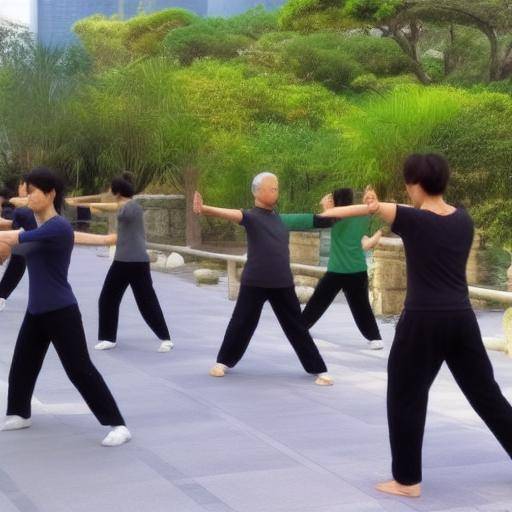
The Suzhou Gardens, located in the province of Jiangsu, China, are a historic treasure recognized by UNESCO as a World Heritage Site. These gardens, dating from the Ming dynasty, represent an exceptional architectural and landscape design achievement that has influenced many aspects of Chinese culture, including human well-being. In this article, we will explore the fascinating history of the Suzhou Gardens, as well as its impact on well-being and connection with nature.
Introduction
The Suzhou Gardens, also known as "the land of fishing and rice", are a revelation for the senses. These stunning traditional Chinese gardens, characterized by their intricate designs, magnificent landscapes and historical architectural elements, offer an oasis of tranquility in the midst of the bustling modern life. But their importance goes beyond the aesthetic; these gardens have a profound impact on the emotional, mental and spiritual well-being of those who visit them.
History and Background
The history of the Suzhou Gardens dates back more than a thousand years, when the first gardens began to take shape during the Tang dynasty. However, it was during the Ming dynasty that the gardens reached their greatest splendour and notoriety. Over time, they became a symbol of social status and cultural refinement, attracting scholars, artists and nobles. These gardens were designed as an oasis of peace and harmony, where natural beauty was sought through carefully planned architecture and landscape.
Deep analysis
The Suzhou Gardens are not only a testimony of a rich history, but also offer concrete benefits for well-being. Numerous studies have shown that being in contact with nature, such as the one represented in these gardens, has a positive impact on mental and emotional health. The calm that is experienced when walking through the gardens, enjoying the sounds of water or contemplating the beauty of flowers and trees, contributes to reducing stress and anxiety.
Comprehensive review
In addition to the impact on individual well-being, the Suzhou Gardens have also been the focus of various therapeutic practices, such as therapeutic gardening and nature meditation. These practices have been adopted by mental health professionals and therapists as effective tools to improve emotional balance and quality of life.
Comparative analysis
By comparing the Suzhou Gardens with other natural landscapes, it is evident that its elaborate and symbolic design offers a unique experience that goes beyond the mere contemplation of natural beauty. The careful disposition of the elements, which reflects the Chinese philosophy of yin and yang, seeks to harmonize natural energies and create an enabling space for reflection and rejuvenation of the spirit.
Practical Tips and Accessible Tips
If you want to experience the benefits of the Suzhou Gardens in your own life, consider exploring gardening as a form of connection with nature and therapeutic practice. Although you may not be able to recreate the grandeur of the gardens as a whole, cultivating a small garden in your home can provide a quiet and healing space for personal development.
Industry and Expert Reviews Data
The impact of the Suzhou Gardens and the connection to nature in well-being has become a topic of growing interest in the scientific community and the world of positive psychology. Experts agree that the incorporation of nature into urban environments can have significant benefits for the mental and physical health of people. These findings support the importance of preserving and promoting green and accessible spaces in cities.
Cases of Study and Applications in Real Life
In cities around the world, urban design projects are being carried out that are inspired by the principles of the Suzhou Gardens to create environments that foster well-being. From the creation of urban parks to the integration of community gardens, these initiatives seek to offer the inhabitants of the cities the opportunity to connect with nature and enjoy their therapeutic benefits.
Future Trends and Predictions
As the awareness of the well-being and positive impact of nature on our lives continues to grow, we are likely to see an increase in the incorporation of natural elements into built environments. From buildings with gardens in the rooftops to green spaces integrated in urban areas, the future of design and architecture points to a greater focus on the connection with nature.
Conclusions and FAQs
Conclusion
The Suzhou Gardens are much more than simple green spaces; they represent a lasting testimony of human ability to create beauty and harmony from nature. Their influence on the well-being of people is undeniable, and their legacy will remain as a source of inspiration and renewal for future generations.
Frequently asked questions
1. Why are the Suzhou Gardens considered a World Heritage Site?
The Suzhou Gardens have been recognized as a World Heritage Site by UNESCO because of its historical, cultural and architectural importance, as well as its influence on the understanding of the relationship between nature and humanity.
2. What are the specific benefits for well-being when visiting the Suzhou Gardens?
The experience of strolling through the Suzhou Gardens offers benefits such as stress reduction, mood improvement, increased creativity and promotion of connection with nature.
3. How can I apply the principles of the Suzhou Gardens in my urban environment?
You can integrate natural elements, such as plants, water and natural materials, into your urban environment to create a space that promotes well-being and calm.
4. What is the importance of connection to nature for human well-being?
Connection with nature has proven to have positive effects on mental, emotional and physical health, providing a sense of calm, stress reduction and improvement of general well-being.
5. What are the current trends in architecture and design related to well-being and nature?
Contemporary architecture and design are increasingly integrating nature into built environments, with approaches such as sustainable buildings, urban green spaces and biocentric design.
6. How do the Suzhou Gardens influence the current conception of harmony between human beings and nature?
The Suzhou Gardens offer a model of harmony between natural and built elements, which inspires approaches that seek to create balanced and sustainable environments that promote human well-being.
As a conclusion, the Suzhou Gardens represent an invaluable legacy that transcends the limits of time and culture. Its impact on human well-being and understanding of the connection with nature remains relevant and essential in the search for a balance between modern life and the natural environment.