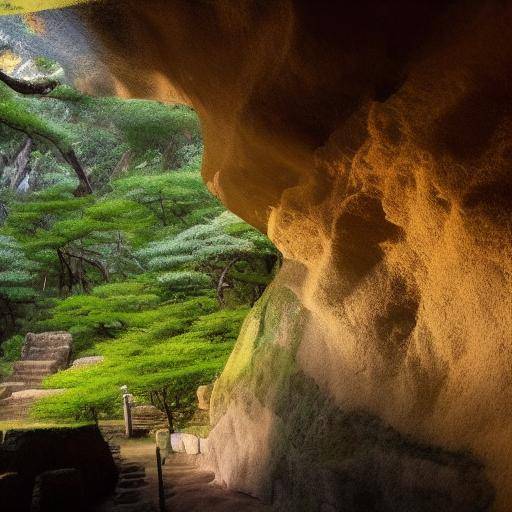
The gardens of Kyoto are a true treasure of Japanese culture, captivating its visitors with its serenity, natural beauty and carefully crafted design. This complete guide will open the doors to the wealth of experiences offered by the visit to these wonderful gardens. From its history and evolution to practical advice and future predictions, this article aims to provide a total immersion in the world of the gardens of Kyoto, tourism and the guide. Get ready to explore and discover!
Introduction: The Beauty of Kyoto Gardens
The Gardens of Kyoto, with their unique aesthetics, are a testimony to the delicacy and deep connection with the nature that characterize Japanese culture. In this guide, we will thoroughly explore history, evolution, current experiences and future predictions related to these magnificent gardens. Delight in the wonders that these spaces offer and discover how to plan your visit to make the most of this enriching experience.
History and Origins of Kyoto Gardens
The beginnings of the Kyoto Gardens go back centuries, when they were designed to reflect the beauty of nature and provide a space for meditation and contemplation. During this stage, the principles that continue to influence the design of these gardens were established until today. Over time, Kyoto became the center of development and refinement of the Japanese gardening tradition, which has left a lasting legacy.
Over the years, Kyoto Gardens have experienced significant changes, adapting to cultural influences and social dynamics. However, their original essence and purpose have endured over time, making them real witnesses of the history and evolution of Japanese culture.
Evolution and Development of Kyoto Gardens
The gardens of Kyoto have followed a path of development that reflects the artistic, philosophical and spiritual influences of each time. As Japanese culture evolved, the gardens incorporated new techniques, styles and symbolisms, transforming into living codes that communicate the very essence of life and harmony.
The syncretism of the different artistic and spiritual currents has enriched the tradition of Japanese gardening, providing unique nuances to the aesthetics and meaning of the gardens of Kyoto. It is in this process of evolution where we find the deep roots of fascination that awaken in visitors from all over the world.
Anecdotes and Emblematic Cases
The stories and anecdotes surrounding the gardens of Kyoto are living testimonies of their meaning and cultural value. From the creation of gardens by renowned teachers to events that marked milestones in their history, these narratives enclose the very essence of the gardens and their influence in the daily lives of their inhabitants. By knowing these anecdotes, visitors can connect deeper with the experience and beauty of Kyoto's gardens.
Deep Analysis of Kyoto Gardens
The value and relevance of the Kyoto Gardens go beyond their aesthetic beauty. Their impact on tourism, urbanism and the preservation of cultural heritage make them a point of multidimensional interest. This deep analysis offers a comprehensive view of the gardens of Kyoto as a cultural, tourist and environmental phenomenon.
Benefits and Challenges of Tourism in Kyoto Gardens
Tourism in the gardens of Kyoto has been a source of enrichment for both visitors and the local community. The opportunity to experience the serenity and majesty of these natural spaces has attracted travelers from around the world, generating a positive impact on the local economy and promoting the conservation of these cultural treasures. However, increased tourism also poses challenges in terms of preservation and sustainability. It is crucial to find a balance that guarantees the protection of gardens without restricting access to those who want to enjoy their beauty.
Current Trends and Tourism Statistics in Kyoto Gardens
The analysis of current trends and tourism statistics in the Kioto Gardens offers an accurate view of the demand and popularity of these destinations. Data such as the number of visitors, demographic distribution and travel preferences provide valuable information to understand the impact of tourism on gardens and to plan effective strategies for their sustainable management.
Perspectives and Diverse Reviews
The debate about tourism in the gardens of Kyoto involves a variety of perspectives and opinions that reflect the interests of different stakeholders, from conservationists and local authorities to tourist entrepreneurs and visitors. Exploring these perspectives allows us to understand the complexity of the challenges and opportunities associated with tourism in the gardens of Kyoto, fostering a balanced and comprehensive approach to its management and promotion.
Comprehensive Review of Kyoto Gardens
This comprehensive review delves into the practical applications of the principles of garden design of Kyoto, highlighting outstanding examples and best practices that can serve as inspiration for those interested in the creation and preservation of natural spaces of beauty and harmony.
Best Practices and Case Studies
Exploring best practices and case studies related to Kyoto Gardens provides a detailed overview of the successful implementation of design principles and sustainable management. These examples offer valuable lessons that can be applied in different contexts, contributing to the promotion of innovative and responsible approaches in the creation and conservation of natural gardens.
Opinions of Experts and Future Perspectives
The views of experts in the field of gardening, heritage conservation and tourism offer a privileged view of current trends and future prospects related to the gardens of Kyoto. In analysing these views, opportunities can be identified for innovation, sustainable development and the promotion of practices that guarantee the preservation of these unique spaces.
Comparative Analysis of Methods and Approaches
Compare methods and approaches in the creation and management of Kyoto gardens allows us to identify trends, common challenges and opportunities for improvement. In assessing different approaches, knowledge sharing and the adoption of solutions that maximize the aesthetic, cultural and environmental value of the Kyoto Gardens are promoted.
Practical Tips and Relevant Recommendations
When planning a visit to the gardens of Kyoto, it is beneficial to have practical advice that facilitates the experience and allows you to make the most of every moment in these exceptional natural spaces. Below are relevant recommendations for visitors interested in exploring and enjoying the gardens of Kyoto.
Recommendations for the Visit
- Visit time: It is recommended to visit the Kyoto Gardens early in the morning or during sunset to avoid crowds and enjoy the serenity of the surroundings.
- Suitable Footwear: Due to the nature of the terrain and the design of the gardens, it is advised to wear comfortable and suitable footwear to walk.
- Respect for the Environment: It is essential to show respect for the surrounding nature and follow the indications of conservation and preservation of the place.
Practical Guidance to Navigation in the Gardens
- Garden Map: Get a detailed map of the garden and plan a tour that includes the main points of interest.
- Pauses for Contemplation: Take the necessary time for contemplation and connection with the natural beauty offered by the gardens.
- Interaction with staff: Take advantage of the opportunity to interact with garden staff and get additional information about their history, design and care.
These recommendations seek to give visitors an enriching and respectful experience with the environment, allowing them to fully enjoy the beauty and tranquility of the gardens of Kyoto.
Perceptions of Industry and Expert Reviews
The perceptions of the tourist industry and the opinions of gardening, conservation and tourism experts offer a privileged view of the challenges and opportunities surrounding the gardens of Kyoto. In understanding these perspectives, emerging trends, innovative practices and possible future scenarios can be identified that influence the management and promotion of these natural spaces.
Interviews with Industry Experts
Interviews with experts from the tourism industry, gardening and conservation allow us to obtain valuable insights on the evolution and future of the Kyoto Gardens. The opinions of these professionals enrich the understanding of the challenges and opportunities facing this cultural gem, providing a guide for informed and sustainable decision-making.
Future predictions
Exploring future predictions related to the Kyoto Gardens offers an early perspective on the changes that could take effect in these natural spaces in the long term. Anticipating future scenarios allows the managers and promoters of the Kyoto Gardens to prepare to adapt to new trends and challenges, ensuring their relevance and sustainability over time.
Conclusions and FAQs
Conclusions
In conclusion, Kyoto Gardens represent an incomparable cultural heritage that has evolved over the centuries, captivating visitors from all over the world with their serene beauty and deep symbolism. Sustainable management and responsible promotion of these gardens are critical to ensuring that future generations can continue to enjoy their splendor.
Frequently asked questions
What are the most famous Kyoto gardens and what makes them stand out?
The most famous gardens of Kyoto include the Ryoan-ji Garden, the Sogenchi Garden, and the Ginkaku-ji Garden, among others. Each of them is distinguished by its meticulous design, its cultural significance and its stunning landscapes that invite meditation and contemplation.
What is the best time of the year to visit the gardens of Kyoto?
The spring, during the flowering of the cherry trees, and the autumn, when the trees change color, are considered the most beautiful times to visit the gardens of Kyoto. However, each station offers a unique and memorable experience.
How are the gardens of Kyoto preserved and maintained?
The gardens of Kyoto are maintained and preserved by specialized garden teams that follow centuries-old techniques transmitted from generation to generation. These caregivers are committed to the preservation of the beauty and authenticity of the gardens, ensuring their integrity over time.
What impact does tourism have on the gardens of Kyoto?
Tourism has provided significant economic and cultural benefits to the Kioto gardens, but has also raised challenges in terms of conservation and management. It is essential to find a sustainable balance that allows you to enjoy the gardens without compromising their integrity.
What is the cultural importance of the gardens of Kyoto?
The gardens of Kyoto play a fundamental role in the preservation of Japanese culture and the transmission of their rich tradition of design and philosophy of nature. They are sacred spaces of contemplation and timeless beauty, which reflect the deep connection between humanity and the natural environment.
How can I maximize my experience by visiting Kyoto Gardens?
To maximize your experience in the gardens of Kyoto, we recommend taking the necessary time to absorb the serenity of the environment, explore the symbolism of each element of the design and respect the local preservation standards. In addition, it takes the opportunity to interact with staff and obtain additional information about the history and meaning of gardens.
With these answers to frequent questions and a complete view of the gardens of Kyoto, you are now prepared to immerse yourself in the cultural and aesthetic richness that these unique natural spaces offer.
The gardens of Kyoto, with their deep connection to nature and its impressive beauty, continue to be an inexhaustible source of inspiration and enrichment for travellers and lovers of Japanese culture. By exploring its history, evolution, current impact and future perspectives, this complete guide has provided an integral insight into the wonderful experience of visiting Kyoto's gardens. Now, with this empowering knowledge in your hands, you are ready to embark on an unforgettable journey through the serenity and majesty of Kyoto's gardens.
Get ready to immerse yourself in the timeless beauty of Kyoto's gardens and discover the magic that awaits in every corner of these natural treasures!
As an additional help, below are several external links that could be useful when planning your visit to the Kyoto Gardens:
- Official Tourism Guide of Japan
- Website of the Kyoto Tourist Office
- Kyoto Gardens on UNESCO World Heritage List
These links provide detailed information about tourist attractions, special events and travel tips to maximize your experience in the Kyoto Gardens.
Prepare your senses for a unique adventure in the exquisite gardens of Kyoto!