Introduction
China is known for its rich history, vibrant culture and natural beauty. Among the many wonders that host this vast country are the exquisite Suzhou Gardens. These gardens, recognized by their architectural beauty and deep connection to nature, offer a unique window to the history and essence of China. In this article, we will explore the most beautiful gardens in China, focusing on the fascinating city of Suzhou. From its history to its influence on Chinese culture, we will discover the magic that resides in these stunning green spaces.
History and Background
The Suzhou Gardens, registered on the UNESCO World Heritage List, date back to over 1,500 years. During the Wu dynasty, significant advances were made in the art of gardening in Suzhou, which laid the foundations for the gardens we admire today. This city has been a center of creativity and architectural delicacy, with a particular attention to the integration of nature in the design of the landscape.
The ability to create gardens in harmony with nature has been the essence of Chinese culture for centuries. The philosophy of taoism and confucianism has greatly influenced how the Chinese perceive and create their gardens. The search for harmony between man and nature is a fundamental characteristic of Chinese gardens, and Suzhou is a clear example of this philosophy in action.
Detailed Analysis
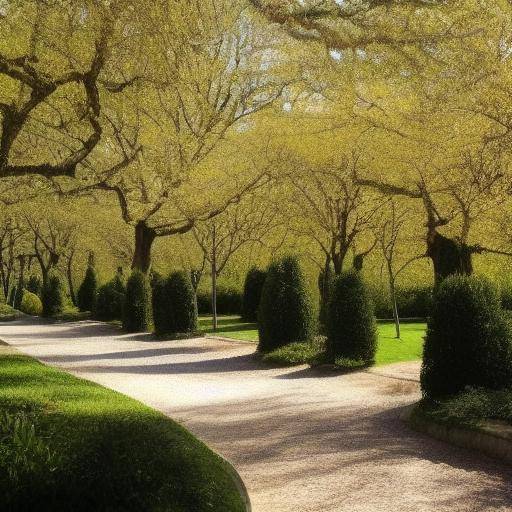
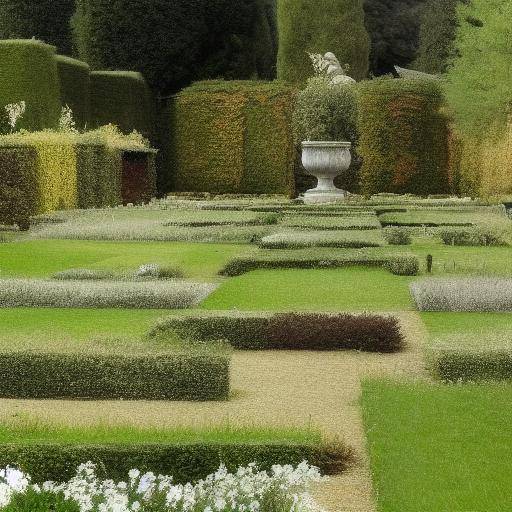
The beauty of the Chinese gardens lies in its ability to merge the natural and the artificial into a harmonious symphony. The aquatic elements, such as ponds and streams, are an omnipresent feature in the Suzhou Gardens, symbolizing the fluidity of life and the connection with nature.
The exquisite architecture, which includes pavilions, bridges and lounges, reflects the meticulous Chinese craftsmanship and its focus on symmetry and balance. The varied designs of the gardens represent the diversity of nature, with flowers, trees and rocks arranged so that each view is a work of art in itself.
Comprehensive review
The creation and maintenance of these gardens are not without challenges. The preservation of the authenticity and integrity of historical gardens in a modern environment is a crucial concern. Continuous efforts to preserve and restore these cultural treasures are vital to their legacy and their continued importance.
The influence of Chinese culture on gardening extends beyond national borders, inspiring designs and styles of gardens around the world. The underlying philosophy of harmony, balance and respect for nature has left a lasting mark in the art of gardening.
Comparative analysis
The similarities and differences between the Suzhou Gardens and other natural and man-made landscapes in China are fascinating to examine. While the gardens represent the artistic and cultural expression of Chinese civilization, the natural landscapes such as the Yellow Mountains and the Yangtse River show the raw and pristine majesty of nature.
Suzhou Gardens reflect the human desire to dominate and shape nature in an aesthetically attractive way, while natural landscapes capture the greatness and immensity of the natural world. Both offer a unique vision of the relationship between human beings and their environment, highlighting different aspects of the link between nature and culture.
Practical Tips and Accessible Recommendations
If you plan to visit the Suzhou Gardens, here are some practical suggestions to make the most of your experience in this unique cultural enclave:
- Research before visiting: Learn about the history and symbolism of the gardens for a deeper appreciation during your visit.
- Explore calmly: Dedicate time to stroll through the various gardens, absorbing the beauty and serenity they offer.
- He interacts with the locals: Talk to the local gardeners and inhabitants to get a more intimate perspective of the importance of the gardens in the daily life of Suzhou.
Industry Perspectives and Expert Reviews
To fully understand the impact and continued relevance of the Suzhou Gardens, it is essential to consider the views of experts in the field of the conservation of cultural heritage and gardening. Their valuable insights enrich our understanding of these historical treasures and their role in the modern world.
According to the renowned gardening expert, Liang Jie, "Suzhou Gardens are a master manifestation of the relationship between man and nature, and their value transcends aesthetic mere. They represent the veneration of harmony and beauty in Chinese culture, giving inspiration to coming generations."
Case Studies and Real Life Applications
A notable example of the influence of the Suzhou gardens in the contemporary area is its impact on landscape architecture and the design of parks around the world. The meticulous attention to the integration of natural elements into the built environment has been a source of inspiration for architects and designers, influencing urban development projects that seek greater harmony with nature.
Future Trends and Predictions
As the world moves towards a more sustainable and environmentally conscious approach, the influence of the Suzhou Gardens is expected to grow even more. The quest for harmony between urban spaces and nature has become increasingly relevant in contemporary design, which places the Suzhou Gardens as an a timeless model of inspiration and guidance.
Conclusion
The Suzhou Gardens not only represent an architectural and natural wonder, but also encapsulate the very essence of Chinese culture. Their history, their meticulous design and their continued influence on the contemporary world make them an invaluable treasure for humanity. In exploring the rich tradition of the Suzhou Gardens, we immerse ourselves in an experience that transcends time and space, offering us a lasting vision of the relationship between humanity and nature.
Frequently asked questions
**1. What is the best time to visit the Suzhou Gardens?**The temperate climate of spring and autumn is ideal for visiting the gardens, as you can appreciate the flowers in full bloom and the lush colors of nature.
**2. What is the cultural importance of the Suzhou Gardens for the local inhabitants?**The Suzhou Gardens are not only a point of pride for the local community, but also play a central role in everyday life, providing spaces of serenity and reflection.
**3. What is the connection between Suzhou gardens and Chinese philosophy?**The Suzhou Gardens reflect the principles of harmony, balance and respect for nature in Chinese philosophy, serving as a tangible manifestation of these beliefs.
**4. How are the Suzhou Gardens preserved today?**Continuous conservation and restoration efforts are undertaken, with an approach to maintaining the authenticity and historical integrity of these cultural treasures.
**5. What are the current challenges facing the Suzhou Gardens in a modern environment?**Current challenges include the pressure of urban development and the sustainable management of natural resources necessary to maintain the beauty and vitality of gardens.
**6. What is the lasting legacy of Suzhou gardens in world culture?**The legacy of the Suzhou Gardens extends to the global influence on landscape architecture and urban design, serving as a source of inspiration for the harmonious integration of nature into built environments.
As we conclude this journey through the most beautiful gardens of China in the charming city of Suzhou, it is evident that its beauty transcends the mere aesthetic and provides a window to the rich tradition and philosophy of Chinese culture. Through harmony, serenity and architectural ingenuity, the Suzhou Gardens endure as a lasting legacy that delights visitors and honors the ancestral connection between human beings and nature. May this exploration have fueled your appreciation for the magnificent gardens of Suzhou and inspired you to contemplate the deep interconnection between the gardens, China and nature in general.