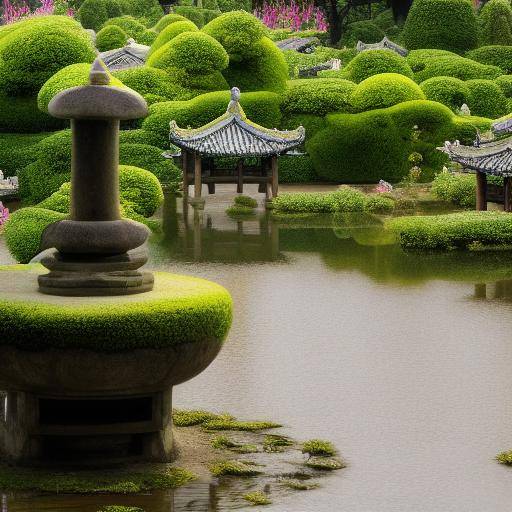
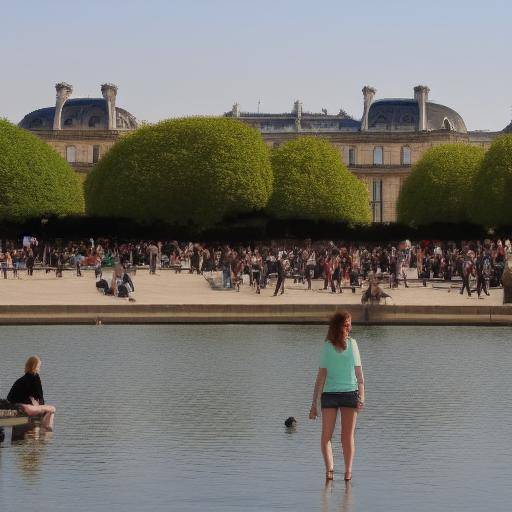
Versailles gardens are a wonder of landscapes, a masterpiece that combines nature, architecture and art to create a paradise of symmetry and beauty. In this article, we will explore the history, design and relevance of these iconic gardens, as well as their connection to the history of France. We will also offer practical advice to maximize this stunning wonder of the world.
Introduction
A legacy of French royalty
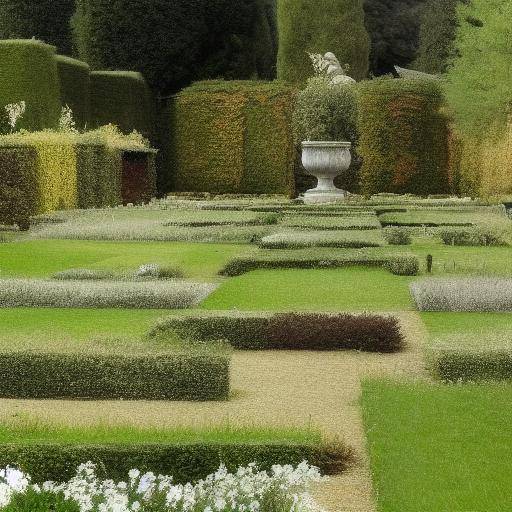
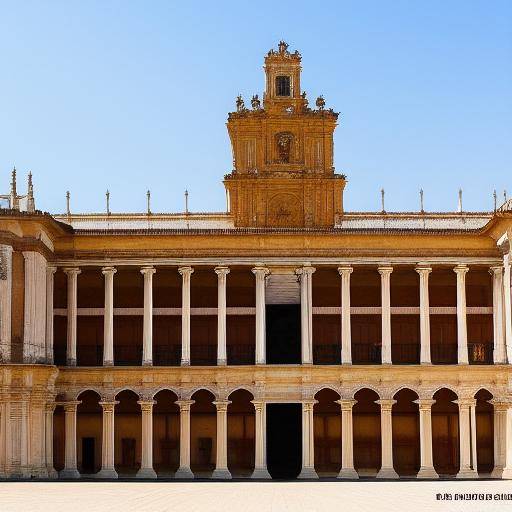
The gardens of Versailles, located on the outskirts of Paris, are a symbol of the greatness and splendour of the old French monarchical regime. Commissioners by King Louis XIV in the seventeenth century, these gardens were designed to reflect the power and beauty of the French state. With its impressive scale, majestic fountains and exquisite sculptures, the Versailles Gardens have become a lasting emblem of the art of gardening and landscape architecture.
What you can expect from this article
In this article, we will explore in detail the history, design and influence of the gardens of Versailles. We will discover how these gardens have influenced the development of landscapes over the centuries and how they continue to inspire architects and designers today. We will also provide practical advice for visitors who wish to enjoy a unique experience in this incomparable environment.
History and Background
Versailles gardens have their roots in a modest hunting lodge built by Louis XIII. However, it was his son, Louis XIV, who radically transformed the modest pavilion into the spectacular Palace of Versailles and its lush gardens. Designed by the renowned landscaper André Le Nôtre, the Versailles gardens became the epitome of the French formal style, characterized by its symmetry, geometry and careful planning.
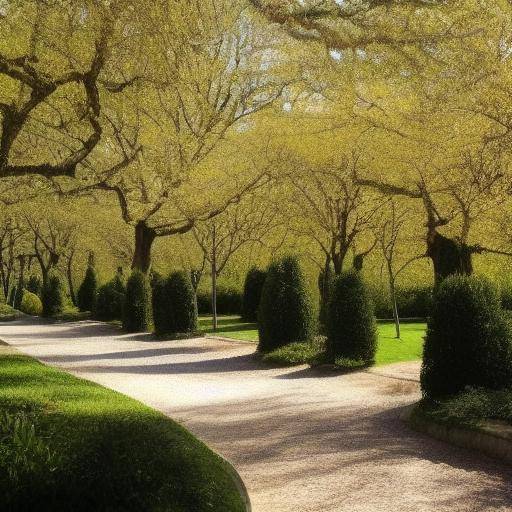
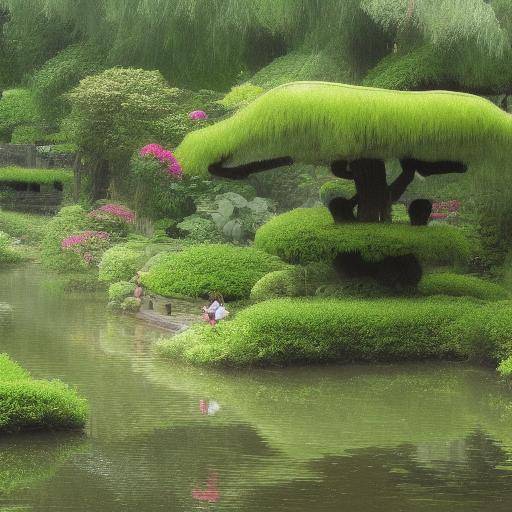
The design of the gardens is based on a series of central axes that converge in the palace, creating an impressive visual effect. Throughout these axes, ornamental fonts, statues and carefully cut hedges were arranged, creating a sense of order and harmony. The result was a landscape that combined architectural opulence with natural beauty, becoming a cultural and aesthetic milestone.
In the centuries ahead, the gardens of Versailles have undergone various transformations, reflecting changes in tastes and styles of gardening. The legacy of Versailles has spread all over the world, influencing the design of gardens and parks in Europe and beyond.
In-depth analysis
The influence of the gardens of Versailles extends far beyond its historical importance. The meticulous planning and execution of these gardens continue to be an inspiration for landscape architects and garden designers today. His focus on symmetry, geometry and integration with architecture remains a fundamental reference in the theory of garden design.
The challenges facing the Conservatives of the Versailles Gardens are now significant. The balance between the preservation of history and the adaptation to the demands of a modern public and the sustainable management of natural heritage represents a constant challenge. However, the expert management and careful balance of conservation and innovation have allowed the Versailles Gardens to continue attracting visitors from around the world.
Comprehensive review
The timeless beauty of the Versailles Gardens continues to captivate visitors, but also offers practical lessons for those interested in garden design and the preservation of historical heritage. The design techniques, water management and architectural integration are just some of the areas in which the Versailles gardens remain a relevant reference.
Versailles gardens have also been the scene of important events throughout history, from real celebrations to peace treaties. This intersection between courteous life and nature exemplifies the cultural and social importance of gardens in the history of France and Europe.
Comparative analysis
Compared to other historic and contemporary gardens, the Versailles Gardens stand out for their imposing scale, their meticulous planning and their deep connection with the history of France. By contrasting them with more modern gardens, we can appreciate how the design principles used in Versailles still have relevance in contemporary landscape design practice.
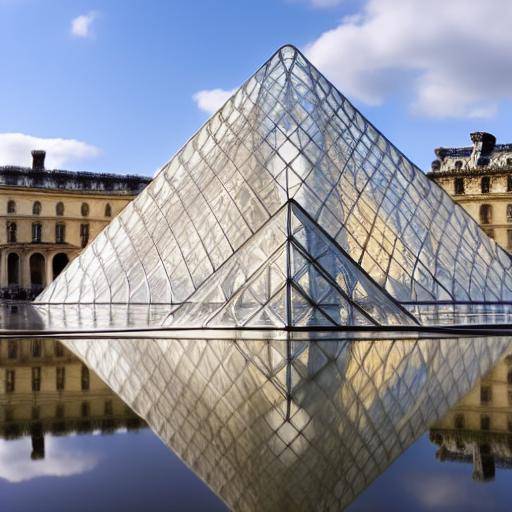
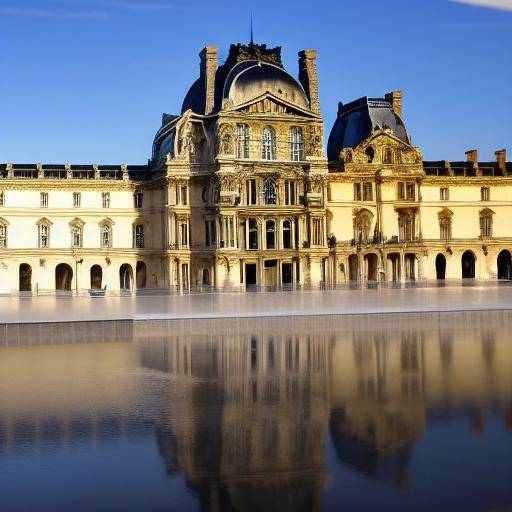
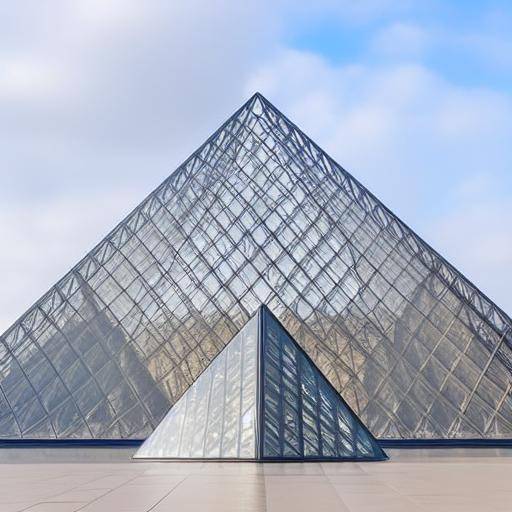
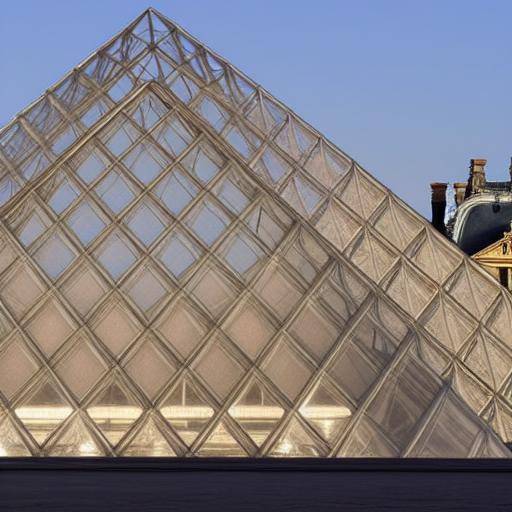
Compared to other emblematic places in France, such as the Eiffel Tower or the Louvre, the Versailles Gardens offer a unique perspective that combines natural exuberance with architectural opulence, providing visitors with a diverse and unforgettable experience.
Practical advice and useful advice
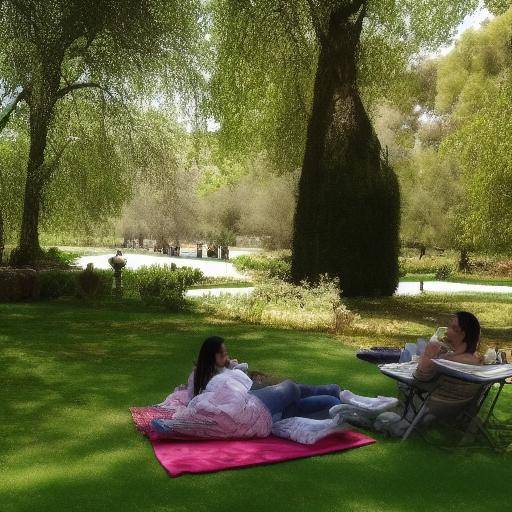
For those who wish to visit the gardens of Versailles, it is important to plan in advance. It is recommended to book tickets in advance, especially during the high season, to avoid long rows and ensure fluid access to the gardens and the palace. In addition, exploring the gardens early in the morning or at sunset can offer a more quiet and spectacular experience.
It is essential to wear comfortable footwear and sun protection, as touring the extensive gardens can take several hours. Taking the time to explore every corner of the gardens and discovering the fountains and sculptures is an enriching experience worthwhile.
Conclusions
The gardens of Versailles are much more than a testimony of the splendour of the old French regime. They are a monument to human imagination, creativity and ability to transform nature into a landscape of incomparable beauty. Its legacy endures as a source of inspiration for designers, architects and lovers of history around the world.
With its perfect symmetry, dazzling fountains and elegant midwives, the Versailles Gardens are a manifestation of the creative vision of the human being. By exploring these gardens, we immerse ourselves in a world of natural wonders and human achievements, a place where beauty and harmony intertwine in an unforgettable way.
Frequently asked questions
What is the story behind the Versailles Gardens?
The gardens of Versailles were commissioned by King Louis XIV in the seventeenth century and designed by the landscaper André Le Nôtre. Its origin dates back to a modest hunting lodge built by Louis XIII, which was transformed into the Palace and gardens of Versailles under the reign of Louis XIV.
What is the importance of the gardens of Versailles in the history of landscape?
Versailles Gardens represent a milestone in landscape history, establishing an iconic French formal garden model that has influenced landscape design around the world. His focus on symmetry, geometry and integration with architecture continues to inspire landscape architects and garden designers today.
Why are the gardens of Versailles still relevant today?
The gardens of Versailles remain relevant because of their exceptional design and their lasting influence on the landscape. In addition, their status as a world heritage and their historical importance make them a popular tourist destination and an object of study for experts in garden conservation and design.
What practical advice can be offered to visitors of the Versailles Gardens?
It is recommended to book tickets in advance, wear comfortable shoes and sun protection, and visit the gardens early in the morning or at sunset to avoid crowds and enjoy a quieter experience. Explore calmly every corner of the gardens will fully appreciate its beauty and uniqueness.
What is the cultural impact of the Versailles gardens in the history of France?
The gardens of Versailles have been the scene of historic events and real celebrations over the centuries, witnessing important events that have marked the history of France. Its intersection between courteous life and nature offers a unique vision of French culture and society at different times.
How have the gardens of Versailles influenced other gardens and green spaces today?
The design principles used in the Versailles gardens, such as symmetry, geometry and integration with architecture, have influenced the development of other gardens and green spaces around the world. Its legacy persists in the practice of landscape design, serving as a source of inspiration and model to follow for contemporary architects and designers.
Conclusion
Versailles Gardens are a historic, artistic and cultural treasure that continues to amaze visitors and experts today. His legacy endures as a lasting example of human excellence in landscape creation, leaving an indelible mark on the history of art, architecture and landscape.
The majesty of the Versailles Gardens is a reminder of the capacity of the human being to transform nature into a stage of sublime beauty. Its influence persists in the design of contemporary gardens and in the way we appreciate and value the union between art, architecture and nature. Visiting the gardens of Versailles is immersed in a world of splendour and elegance, an experience that transcends time and space.
Versailles Gardens are a testimony to human creativity and an inexhaustible source of inspiration, celebrating the magnificent nature and greatness of human design. In the intersection between history and beauty, the gardens of Versailles invite us to contemplate and appreciate the harmony between human creativity and natural creation, joining the past, the present and the future in a show of symmetry and beauty without equal.