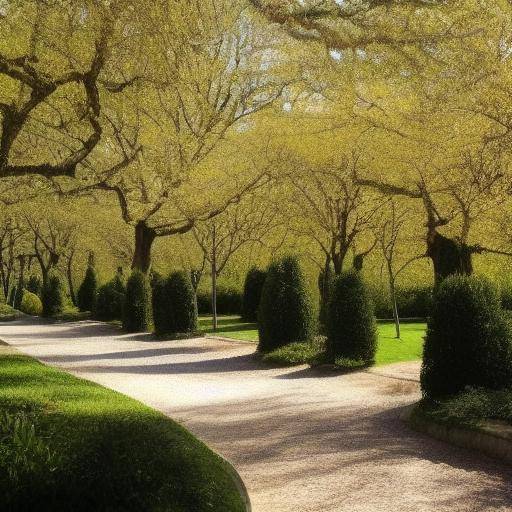
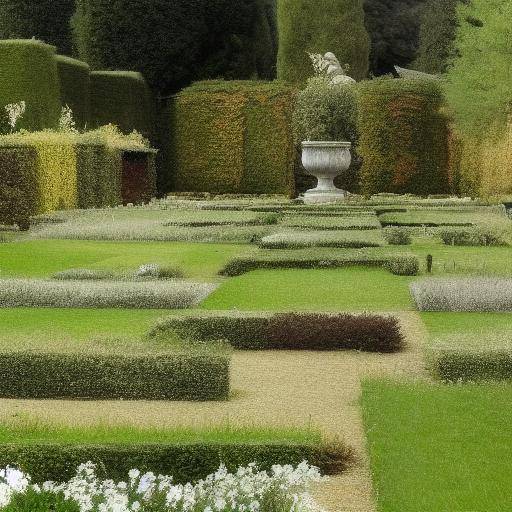
The Schönbrunnn Gardens in Vienna are a symbol of beauty, history and landscape architecture that has captivated visitors from around the world. This article will take you on a journey through these magnificent imperial gardens, exploring its history, cultural meaning, comparisons with other famous gardens and offering practical advice for an unforgettable visit.
Introduction
The gardens of Schönbrunn, located in Vienna, Austria, are renowned for their splendour and majesty. A walk through these gardens is like diving into the imperial era, with stunning landscapes that have resisted the passage of time. From its origins to its influence today, there is much to discover about these iconic gardens.
History and Background
The history of Schönbrunn's gardens dates back to the 18th century, when the Empress Maria Teresa entrusted her design to the best architects of the time. These gardens were conceived as a reflection of the splendor of the empire and became the scene of historical events and imperial meetings. Over the years, the gardens have witnessed political changes, historical events and landscape transformations that have maintained them as a place of both historical and cultural significance.
Evolution of Design
The original design of the Schönbrunn Gardens has evolved over the centuries, going through different phases and styles that have left their mark on the current landscape. From the elegance of the baroque style to the influence of the romantic era, each element of the design reflects the taste and trends of its time, creating a unique experience for visitors.
Significado Cultural
Schönbrunn's gardens are not only a showcase of landscape architecture, but also have a profound cultural significance for Vienna and Austria as a whole. These gardens have been the scene of cultural events, diplomatic meetings and historic moments that have made them a symbol of pride and tradition for the citizens of Vienna.
Analysis in Deep
The legacy of the Schönbrunn Gardens transcends its historical importance. Today, these gardens are an important tourist destination that attracts visitors from around the world, contributing significantly to the local economy and offering opportunities for the conservation of landscape heritage.
Benefits and Challenges
Schönbrunn Gardens not only offer cultural and tourist benefits, but also face challenges in terms of conservation, management and sustainability. The balance between preserving historical beauty and adapting to contemporary demands is crucial to ensuring that these gardens continue to captivate future generations.
Statistics and Prácticos Examples
The figures and statistics on the influx of visitors, economic impact and restoration projects offer a deeper understanding of the relevance of Schönbrunn's gardens today. In addition, practical examples of cultural events, exhibitions and activities in the gardens illustrate their dynamic role in the life of Vienna.
Exhaustive examination
Excellence in the design and management of Schönbrunn Gardens has inspired practices and approaches that have been adopted elsewhere in the world. Attention to details, careful planning and commitment to authenticity are aspects that have made these gardens a reference in the field of landscape architecture.
Perspectives and Diverse Reviews
Experts and professionals from landscaping, heritage conservation and tourism offer diverse perspectives on Schönbrunn gardens, enriching the understanding of their impact and legacy. These views provide an integral context that transcends the Vienna borders and establishes connections with global trends in the care and promotion of landscape heritage.
Comparative analysis
Compare the Schönbrunn Gardens with other famous parks and gardens, both nationally and internationally, provides a comprehensive view of their position in the world landscape. Differences in design, management and uses offer valuable learning that enrich the appreciation of the uniqueness of Schönbrunn's gardens.
Practical Tips and Recommendations
Visiting the Schönbrunn Gardens is a unique opportunity to enjoy natural beauty, impressive architecture and imperial history. To make the most of this experience, it is essential to take into account certain practical aspects and recommendations that will make the visit unforgettable.
Planning of the Visit
Tips on recommended schedules, route routes and transportation options facilitate the planning of a visit to the Schönbrunn Gardens, maximizing the time and experience of the visitor.
Recommended activities
The activities, events and exhibitions taking place in the gardens offer a variety of options to enrich the visit. From outdoor concerts to guided tours, discovering the options available allows you to make the most of the cultural and recreational offer of the gardens.
Perspectives and Opinions of Experts in the Industry
The opinions of experts from the tourism industry, heritage conservation and garden design provide a valuable insight into the impact and potential of Schönbrunn gardens in the current context. These perspectives allow us to understand the dynamic role of gardens in the configuration of unique tourist experiences and the preservation of cultural heritage.
Case Studies and Practical Applications
Schönbrunn Gardens have inspired projects and experiences around the world. Case studies and practical applications show how the legacy of these gardens has influenced conservation, landscape design and sustainable tourism initiatives, establishing a lasting legacy that transcends geographical and cultural boundaries.
Future Trends and Predictions
The future of the Schönbrunn Gardens is marked by innovations in sustainable management, technology integration and adaptation to the changing demands of contemporary visitors. Future trends predictions provide an anticipated view of how these gardens will continue to evolve and captivate future generations.
Conclusions and FAQs
Conclusions
Schönbrunn Gardens represent an invaluable cultural and natural legacy that transcends time and space. Their historical importance, their influence on landscape architecture and their role in contemporary life make them an indispensable destination for any lover of nature and history.
Frequently asked questions
What is the best time to visit the Schönbrunn Gardens?
Spring and summer offer a unique splendor, with the flowering of the gardens and the possibility of enjoying outdoor activities.
Do Schönbrunn Gardens offer restoration options?
Yes, the gardens host several restaurants and cafes where visitors can enjoy local cuisine.
Is pre-book required to visit the Schönbrunn Gardens?
It is not mandatory, but in high season it can be recommended to avoid long queues at the entrance.
How long is it recommended to spend on visiting Schönbrunn Gardens?
It is recommended to spend at least half a day to explore the gardens quietly and enjoy all your attractions.
Are gardens accessible to people with reduced mobility?
Yes, accessibility measures have been implemented to ensure that all people can enjoy the gardens comfortably.
What makes Schönbrunn's gardens unique compared to other gardens?
Its combination of imperial history, landscape design and a rich cultural offering distinguishes them as an incomparable destination.
Conclusion
Schönbrunn's gardens are not only a testimony of imperial grandeur, but also a living legacy that inspires, entertains and captivates visitors of all ages and backgrounds. Their cultural importance and their natural beauty make them an obligatory destination for those who seek to connect with the history, nature and landscape architecture in one place.
As these gardens continue to captivate future generations, their value as cultural and natural heritage will continue to transcend the borders of Vienna, leaving a lasting mark on the memory of those who have the fortune to explore them.
With this article, you have discovered the greatness and beauty of Schönbrunn's gardens, a walk through the imperial nature that will continue to enchant future generations.
This article has given you a detailed look at the Schönbrunn Gardens, its historical roots, cultural significance, contemporary impact and practical advice for an enriching visit. In addition, we explore the perspectives of experts, practical applications and future trends that testify to the validity and relevance of these imperial gardens.