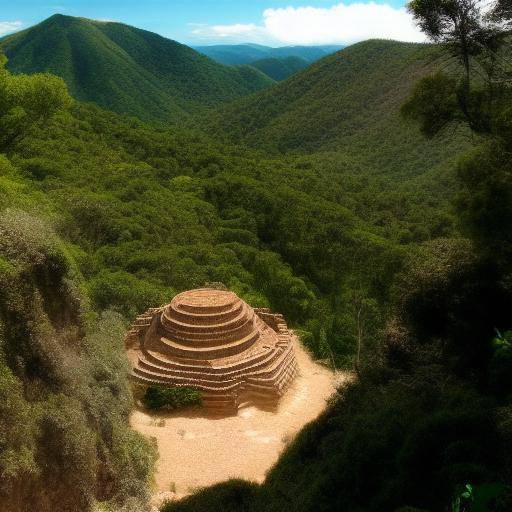
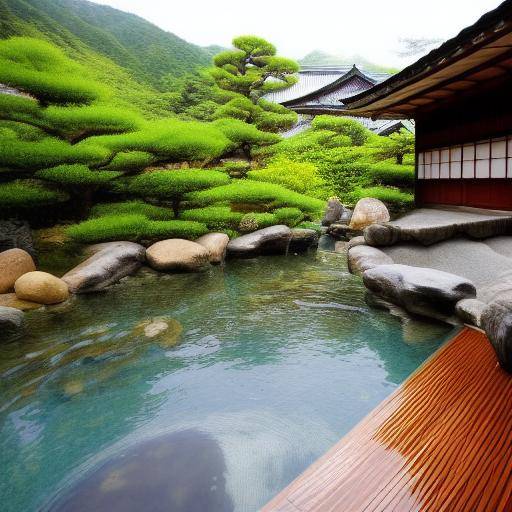
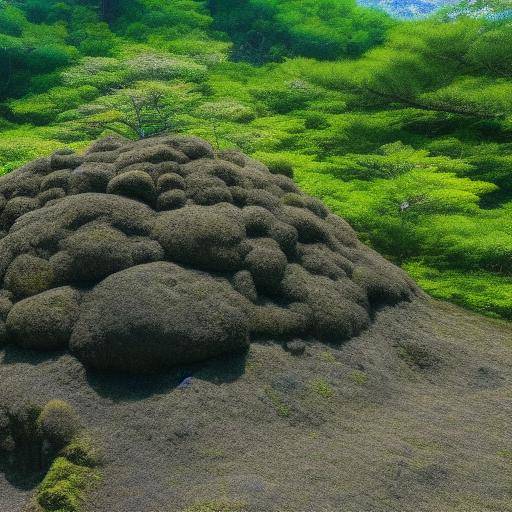
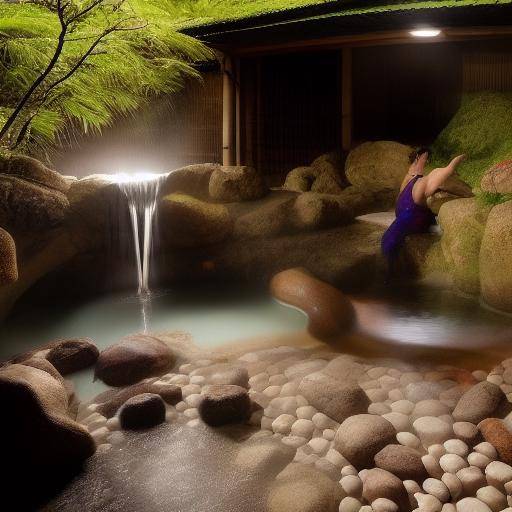
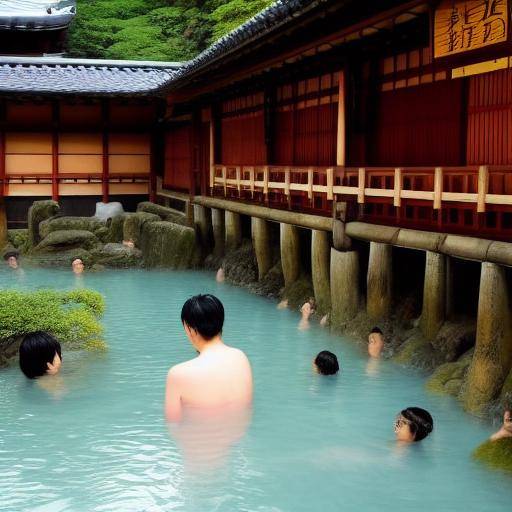
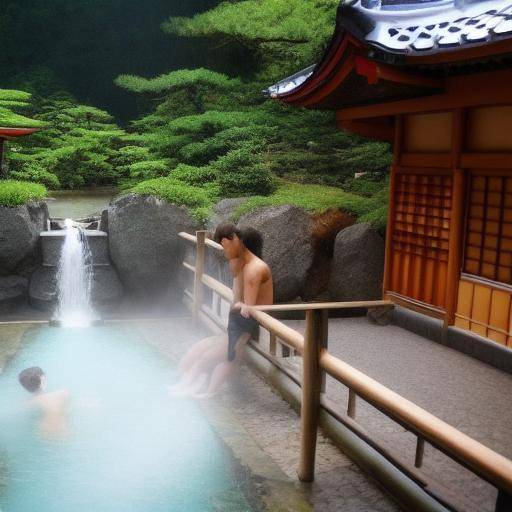
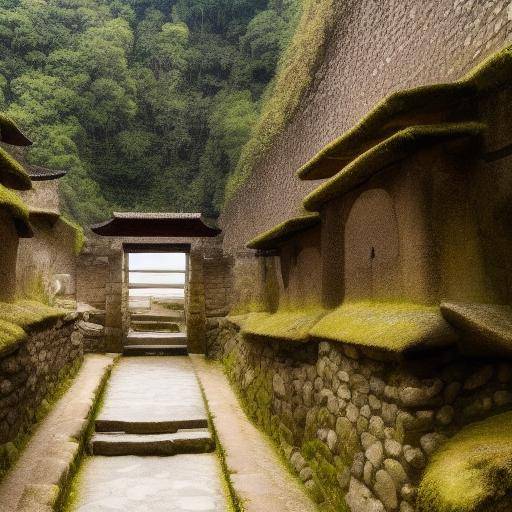
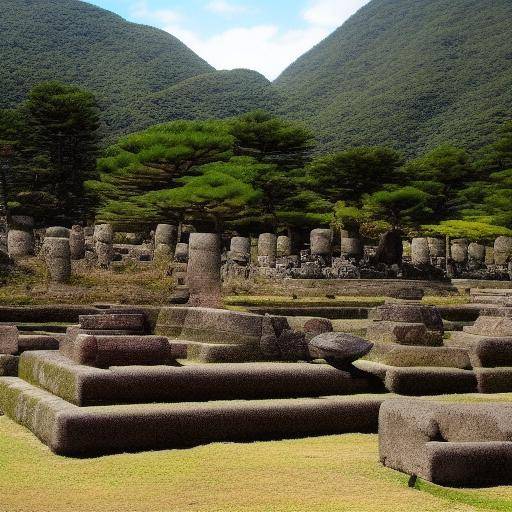
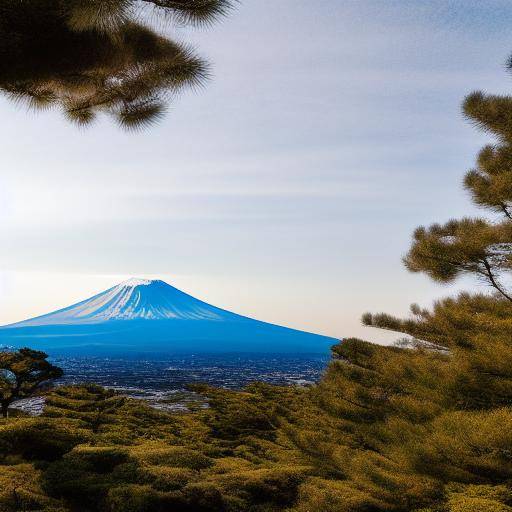
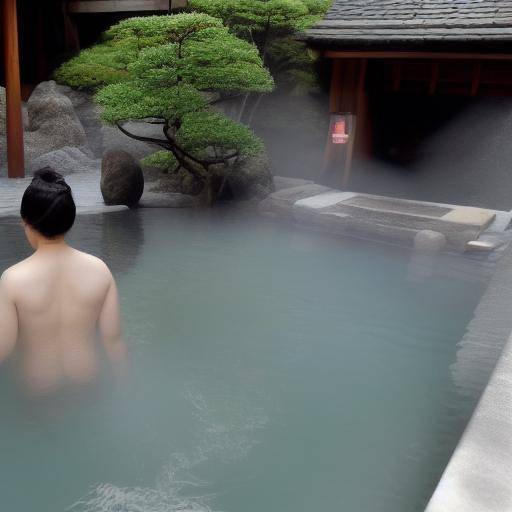
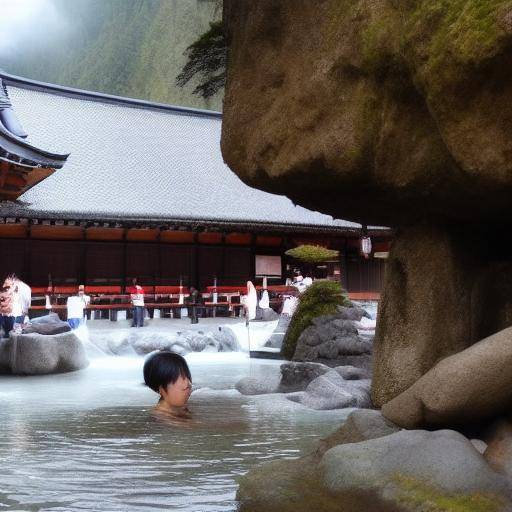
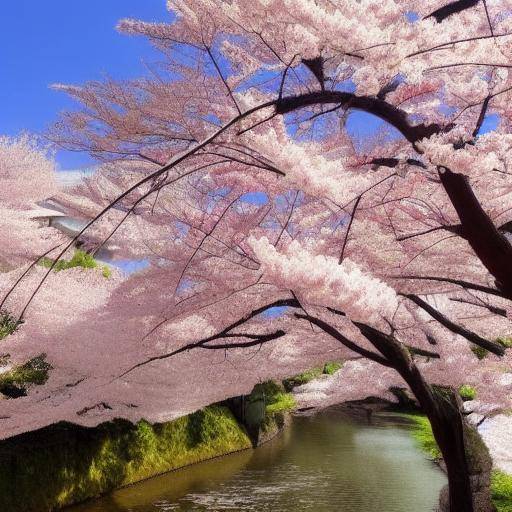
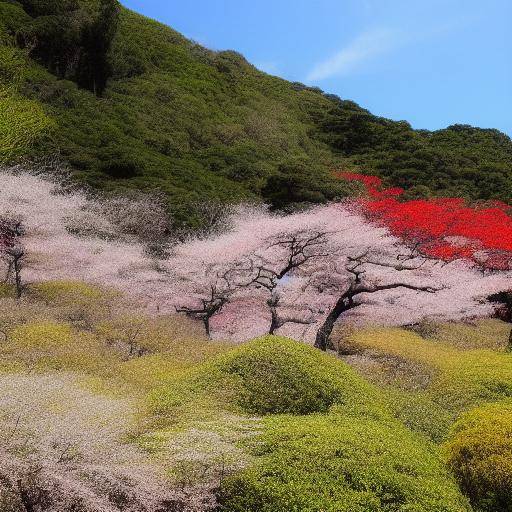
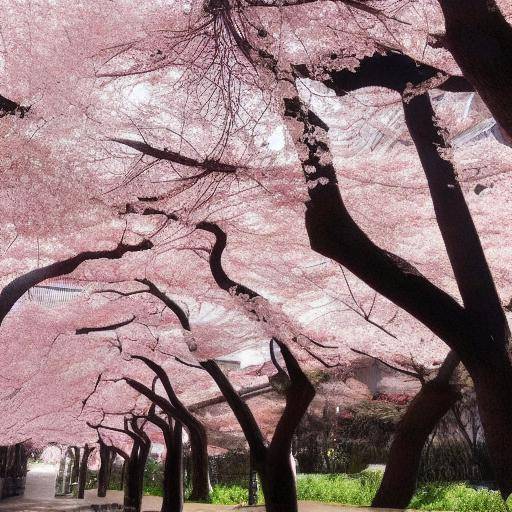
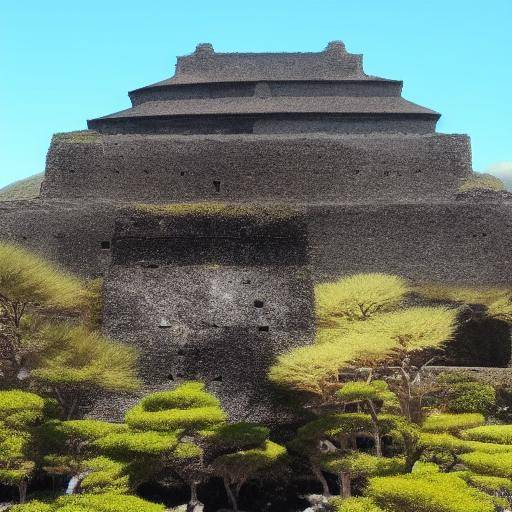
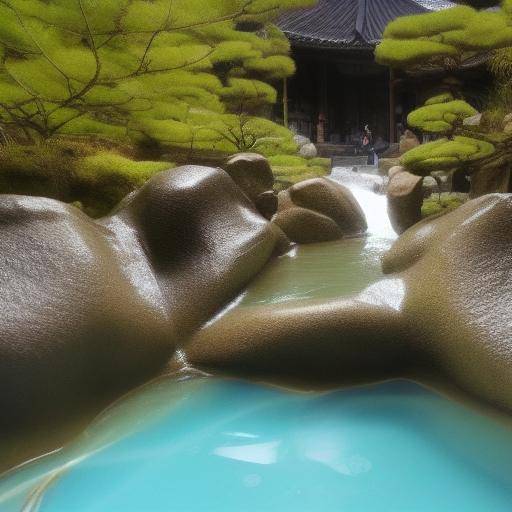
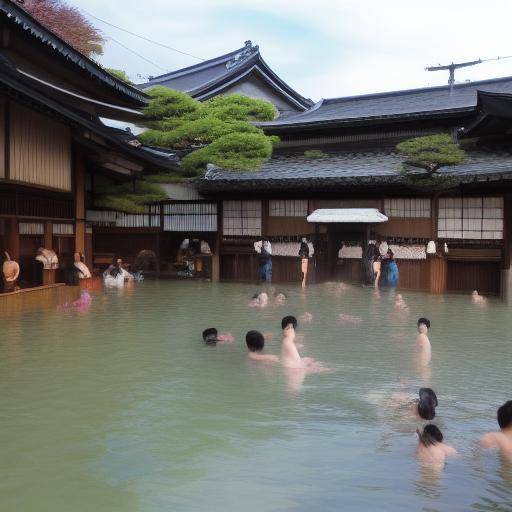
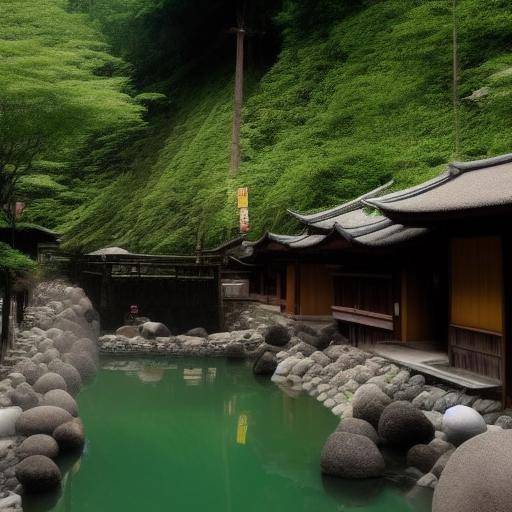
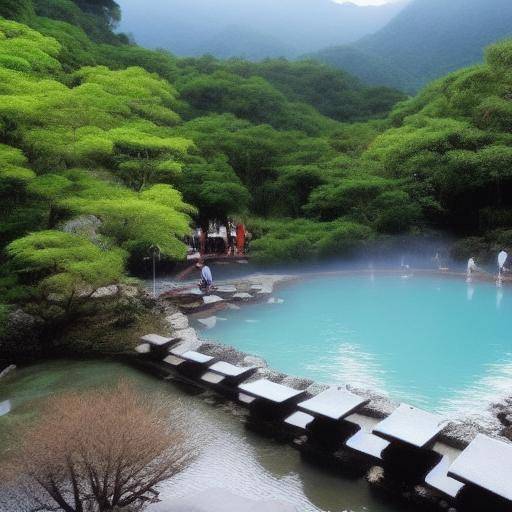
The legendary gardens of Kyoto are an infinite source of inspiration and beauty for photographers. Entering into this magical world provides a unique opportunity to capture the essence of Japanese serenity in its images. From traditional stone and moss gardens to vibrant and colorful flower gardens, each scene offers a visual wealth that deserves to be immortalized. In this guide, we will explore the history, technique and secrets behind photographing the gardens of Kyoto, giving photographers a complete vision to enhance their art.
** Introduction **
The charm of the gardens of Kyoto is timeless, transmitting a deep connection with Japanese nature, harmony and spirituality. From its ancient origins in the Heian era to the present day, these meticulously designed spaces have captivated visitors from around the world. In this guide, we will explore how photographers can capture the unique essence of Kyoto Gardens, from composition to lighting, and share the secrets to bring home stunning and memorable images.
History and Background
The gardens of Kyoto have a rich and fascinating history dating back over a thousand years. The origins of these gardens can be traced to the Heian period (794-1185), where the Chinese influence contributed to the creation of the first gardens in Japan. Over time, the Japanese aesthetic shaped the evolution of these gardens, influenced by Zen Buddhism and landscaping. In the seventeenth century, the concept of "sukiya-zukuri" led to gardens that reflected modesty, simplicity and balance with nature.
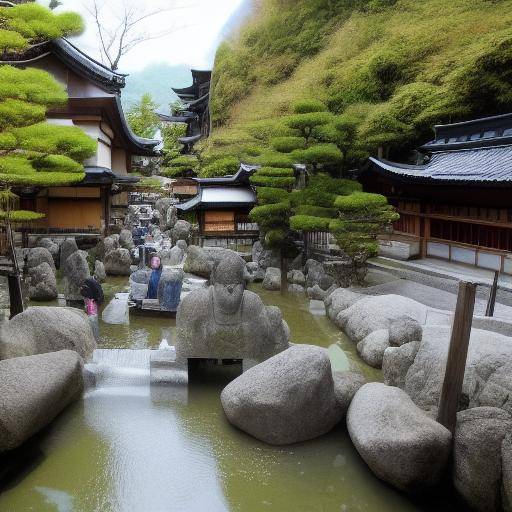
The design of the gardens of Kyoto has been influenced by different artistic trends, from the period Momoyama to the shoin-zukuri of the Meiji era. Architecture and gardening are intertwined to create spaces that invite reflection, meditation and contemplation of natural beauty. The principles of Japanese design, such as the use of stone, water and carefully selected plants, have resulted in distinctive styles of rock gardens, tea gardens, Zen gardens and landscaped gardens.
Deep analysis
Photographing the gardens of Kyoto presents unique challenges and opportunities. Lighting plays a crucial role in capturing the quiet and evocative atmosphere of these gardens. The golden hour at dawn and at sunset offers a soft light that enhances the texture of the mosses, enhances the colors of the flowers and creates delicate reflections in the water. The morning fog can add an ethereal touch to the images, while the lights at night can transform the landscapes into mysterious and evocative scenes.
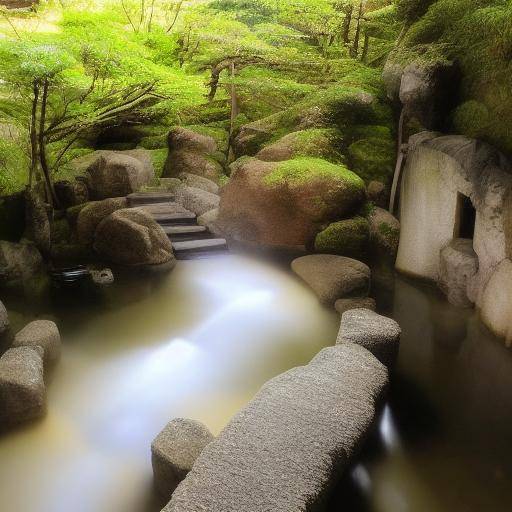
The composition is fundamental to convey the harmony and beauty of the gardens. Photographers can look for lines, patterns and asymmetries to capture the essence of Japanese design. Intricate details, such as the texture of rocks and mosses, can be highlighted through first planes, while wide shots can show the harmonious interaction between architecture, vegetation and water.
Full review
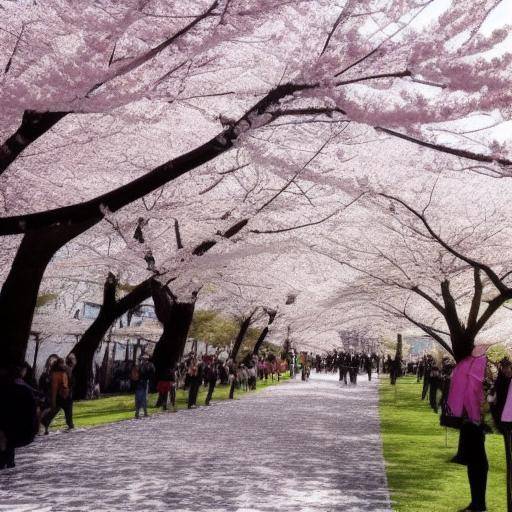
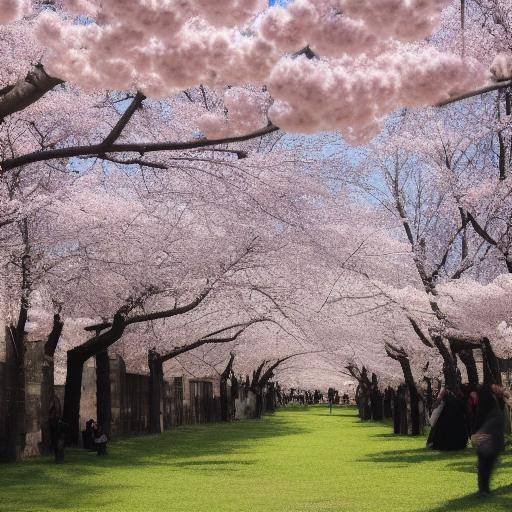
The gardens of Kyoto offer an infinity of opportunities for creative photography. Each season provides new shades and colors, from the cherry blossoms in spring to the warm shades of the maps in autumn. The temporality of nature in the Japanese gardens presents a unique challenge and beauty for photographers.
Photographers can find inspiration in the Japanese masters of photography, whose works have captured the essence of Kyoto's gardens over the centuries. The subtle interaction between light, shadow and nature becomes an inexhaustible source of creativity and artistic expression.
Comparative analysis
Compare the gardens of Kyoto with other styles of gardens, both Japanese and other cultures, offers an enriching perspective. The serenity and harmony present in the gardens of Kyoto can be contrasted with the exuberance of the English-style gardens or the solemnity of the Zen gardens. Understanding the differences and similarities between these styles allows photographers to appreciate the uniqueness of Kyoto's gardens and enrich their composition and visual narrative skills.
Practical Tips and Accessible Tips
When photographing the gardens of Kyoto, it is essential to be in tune with the surrounding nature and respect the tranquility of the environment. Photographers can choose to visit the gardens during different moments of the day and seasons to capture a variety of atmospheres and scenes. Adapting the camera configuration and experimenting with different creative approaches can lead to surprising results.
Industry and Expert Reviews
The expert photographers in Kyoto Gardens offer valuable insights on the techniques, patience and emotional connection needed to capture the essence of these environments. Their experiences can inspire other photographers to explore new perspectives and approaches. In addition, emerging trends in garden photography around the world can offer innovative ideas to apply to the context of Kyoto gardens.
Case Studies and Applications in Real Life
Exploring real case studies of photography in Kyoto gardens provides concrete examples of how photographers address specific challenges and take advantage of the unique visual opportunities offered by these gardens. From selection of equipment and accessories to post-photographic processing, each stage of the process can be illustrated through practical cases.
Future Trends and Predictions
The world of photography is constantly evolving, and emerging trends, such as mobile photography, augmented reality and aerial photography, offer new possibilities to capture and share the beauty of Kyoto's gardens. The incorporation of new technologies and creative approaches promises to further enrich the experience of documenting these unique spaces.
Conclusion
Photographing the gardens of Kyoto is a continuous journey of discovery and creativity. The rich history, aesthetic harmony and spiritual connection of these gardens offer an inexhaustible source of inspiration. By understanding the essence of Kyoto's gardens and appropriate photographic techniques, photographers can transcend the merely visual to capture the sublime serenity that defines these spaces.
Frequently asked questions
**1. What is the best time of the year to photograph the gardens of Kyoto?**The spring, during the blooming of the cherry trees, and the autumn, with the spectacular display of colors of the maple, are especially vibrant moments to capture the beauty of the gardens of Kyoto.
**2. What photographic equipment is ideal to photograph the gardens of Kyoto?**Wide angle lenses and remote lenses are recommended to capture both intimate details and panoramic views of the gardens. In addition, a stable tripod and light control filters can be valuable tools.
**3. How can the integrity of the gardens be respected when photographing them?**It is essential to follow the guidelines and regulations of the place, respecting the tranquility and preservation of losjardines. Preventing from treading delicate areas, interfering with vegetation or disturbing the peace of the environments is essential to maintain respect for the integrity of the gardens.
**4. What Japanese cultural aspects should be considered when photographing the gardens of Kyoto?**The Japanese label values serenity, respect and appreciation for subtle beauty. Photographers should seek to reflect these values in their interactions with the gardens and their people.
**5. What creative themes can be explored when photographing the gardens of Kyoto?**In addition to natural beauty, photographers can seek to capture the interaction of people with gardens, the connection between the old and the modern, and the spiritual presence emanating from these spaces.
**6. How can you learn more about garden photography and Kyoto gardens?**Exploring books, exhibitions, workshops and online resources dedicated to garden photography and Japanese culture provides opportunities to enrich understanding and skills in this artistic field.
In short, photographing the gardens of Kyoto is much more than capturing images; it implies a deep connection with Japanese nature, history and spirit. Through the understanding of the rich tradition of these gardens, the mastery of appropriate photographic techniques and respect for the very essence of these spaces, photographers can transcend the visual to capture the ethereal calm and the imperishable serenity emanating from the gardens of Kyoto.