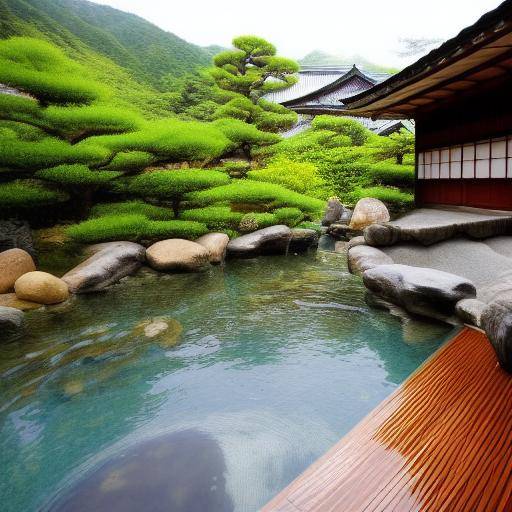
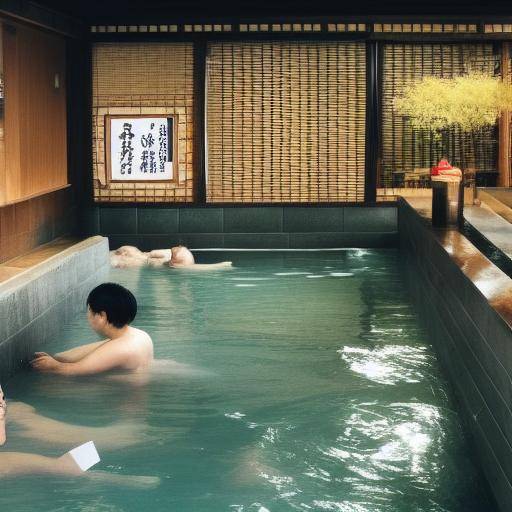
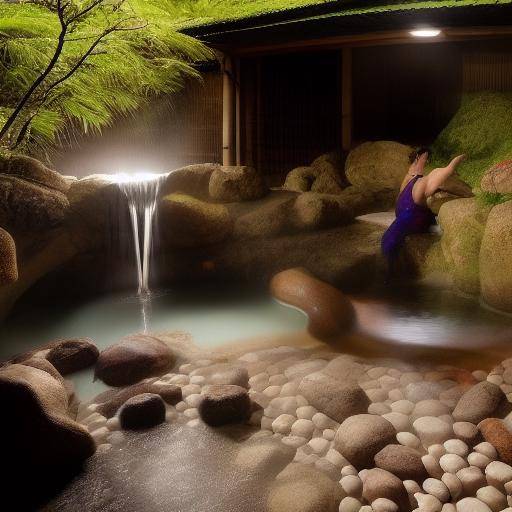
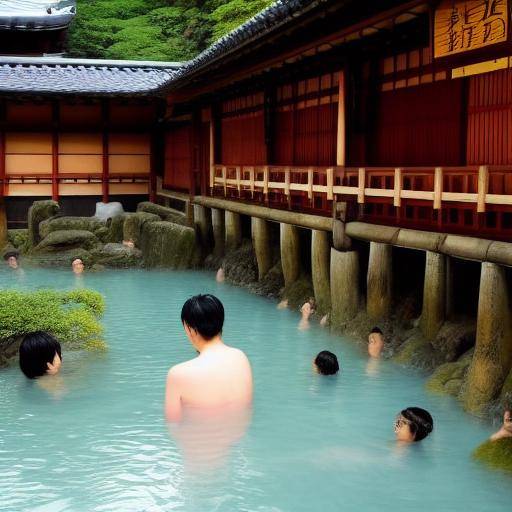
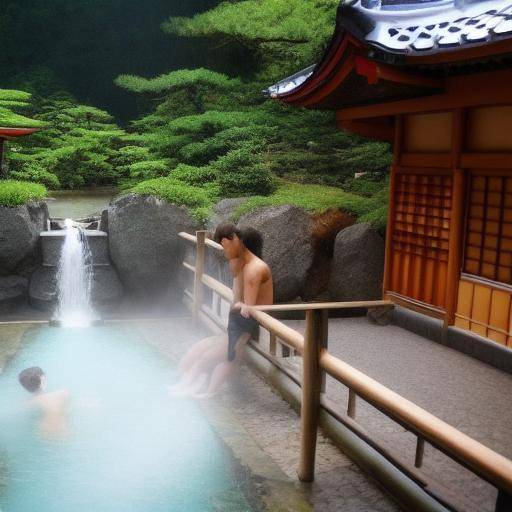
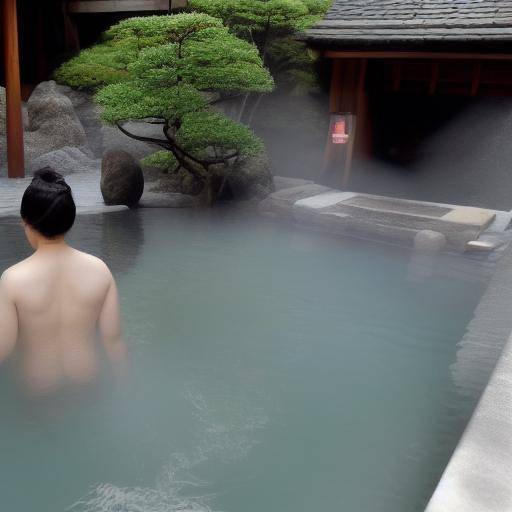
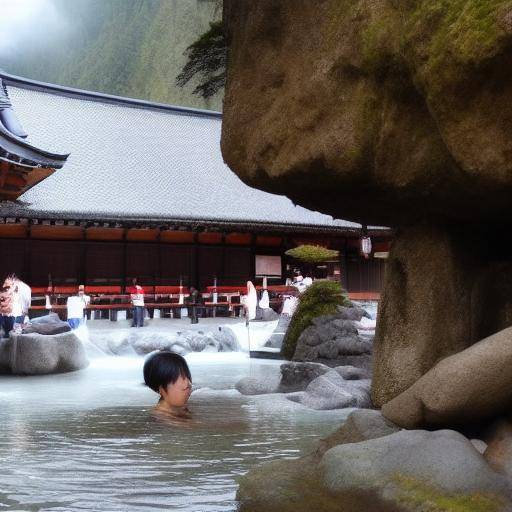
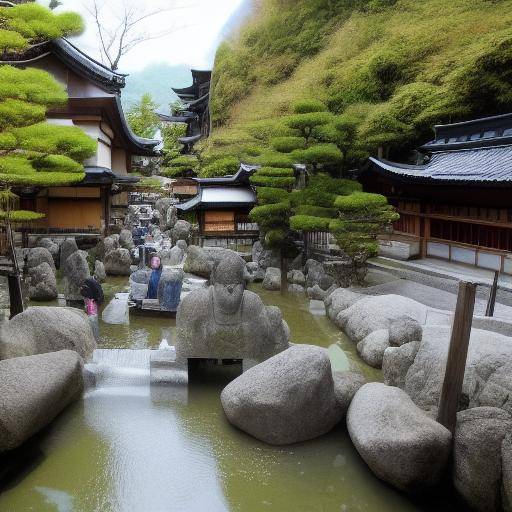
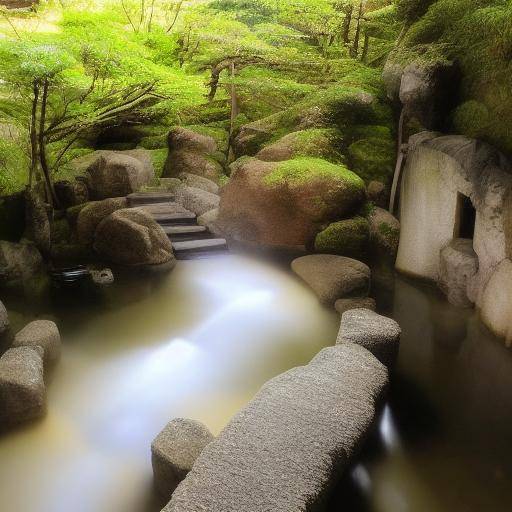
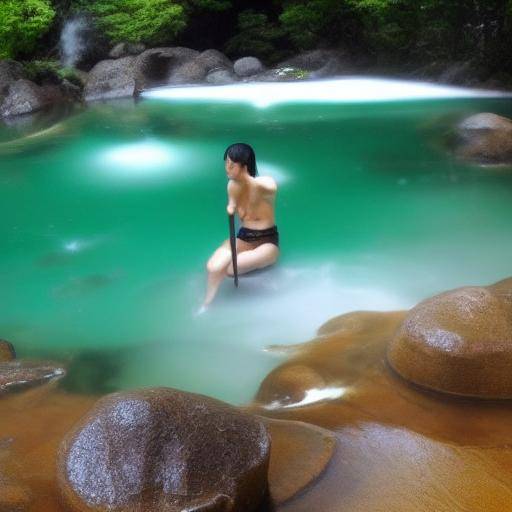
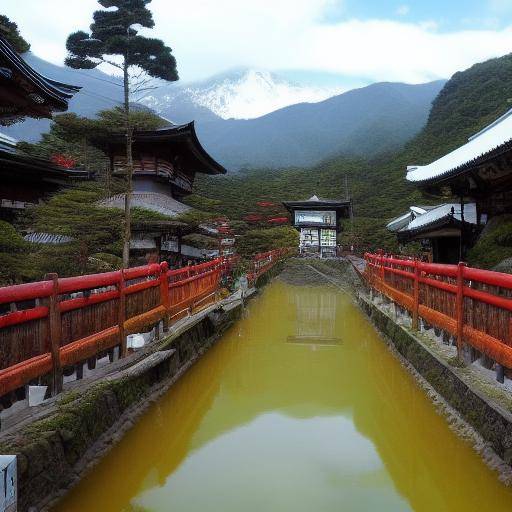
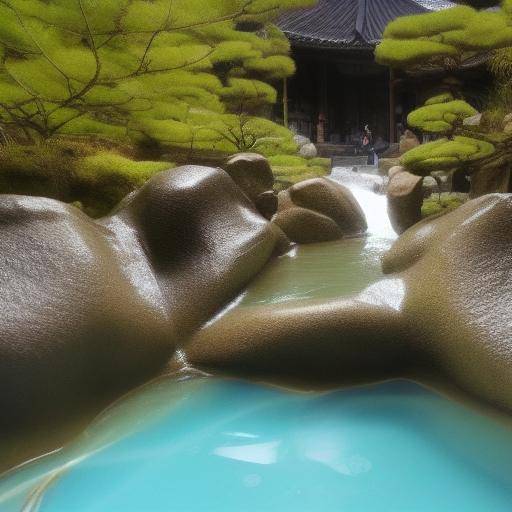
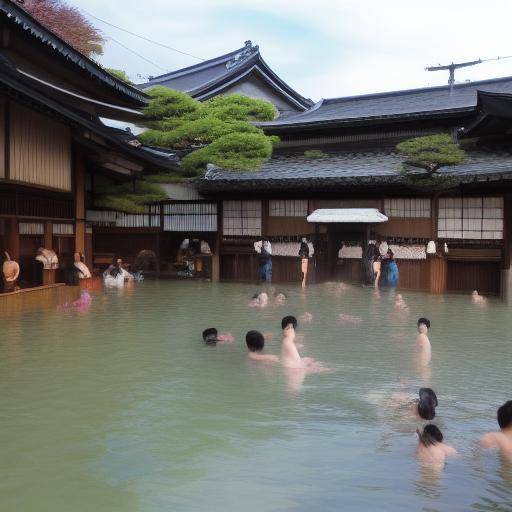
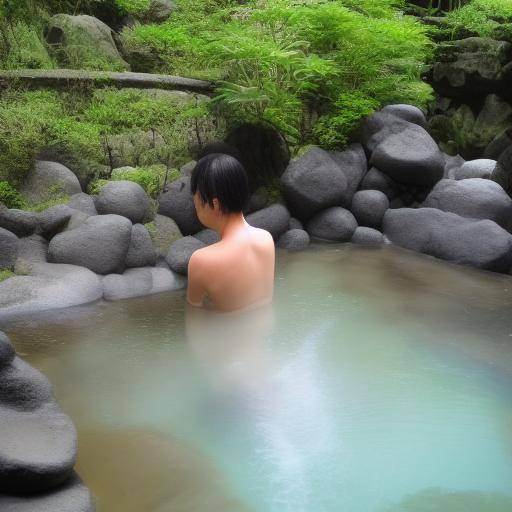
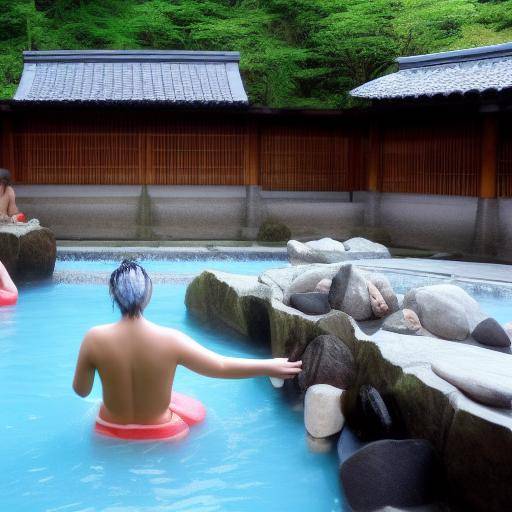
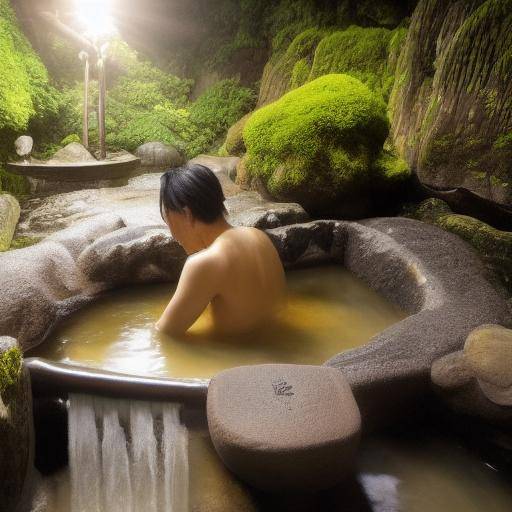
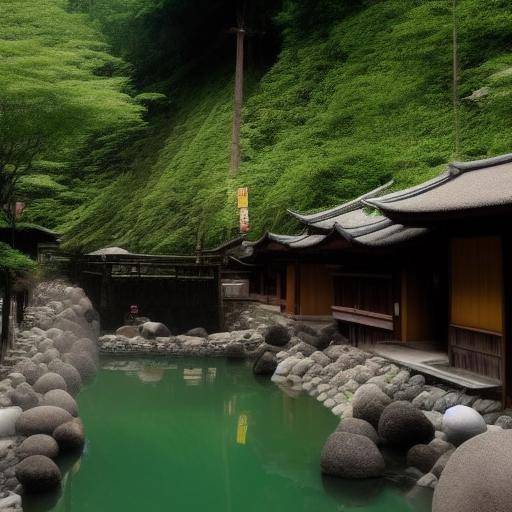
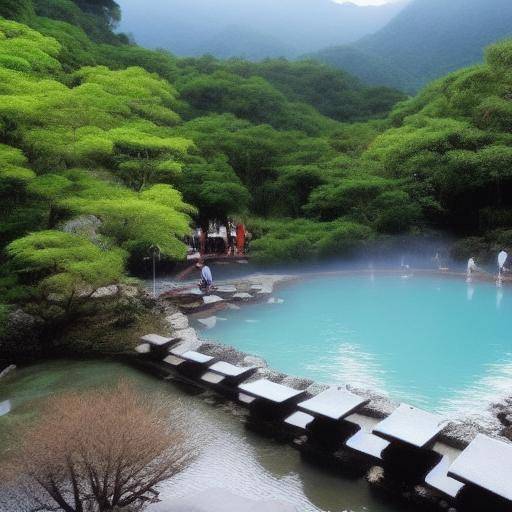
The onsen, traditional hot spring baths in Japan, have played a crucial role in the culture and health of the nation for centuries. From its origins in the old history of Japan to its current state as a popular tourist destination, the onsen have evolved significantly. In this article, we will thoroughly explore the history, tradition and benefits of onsen, providing an integral view of its cultural importance and its impact on Japanese society. From antiquity to today, the onsen have resisted the test of time and continue to fascinate people from around the world.
Introduction
From the medieval period to the present day, the onsen have been venerated for their role in healing, relaxation and connection with nature. This article will provide a detailed exploration of the history of the onsen, from their humble beginnings to their arrival as a world-renowned tourist attraction. In addition, we will examine how the onsen have influenced Japanese culture and how they continue to be an integral part of the daily lives of Japanese residents.
History and Background
The origins of the onsen date back to the antiquity of Japan, where the thermal waters were considered sacred and used for healing and purifying purposes. Throughout the centuries, onsen have played an essential role in the culture and health of the nation, becoming a symbol of traditional Japanese life. From the first mentions of the onsen in Japanese literature to its popularity in the modern era, the thermal baths have experienced a fascinating evolution.
Origins and Significado Cultural
The history of the onsen dates back to the Japanese mythology, where the thermal waters were believed to have healing properties granted by the gods. The veneration of the onsen as places of spiritual and physical purification led to the development of thermal complexes and the creation of rituals associated with them. Throughout the centuries, the onsen became sacred spaces where the Japanese sought healing and renewal, forging a deep connection with nature and spirituality.
Evolution and Modernization
During the Edo period in Japan, the onsen experienced a boom in popularity, with the establishment of numerous thermal complexes throughout the country. The growing demand for thermal baths led to the construction of more elaborate facilities and the development of water management techniques. With the arrival of the modern era, the onsens became an emblematic tourist attraction, attracting visitors from around the world in search of their therapeutic benefits and unique cultural experiences.
Anecdotes and Emblematic Cases
Throughout history, the onsen have witnessed numerous anecdotes and emblematic cases that highlight their cultural importance and their impact on Japanese society. From miraculous healing stories to historical characters who defended the veneration of the onsen, each story contributes to the rich tradition and appreciation for the thermal baths in Japan.
Comprehensive analysis
The culture of the onsen goes beyond its purely historical meaning; it also encompasses a variety of current benefits, challenges and trends that deserve to be thoroughly explored.
Benefits and Challenges
Onsen have been recognized for their therapeutic effects, ranging from relieved muscle pains to improved blood circulation. However, they also face challenges such as sustainable water management and the preservation of their natural environment. Exploring these aspects allows us to understand the complexity of maintaining and promoting the culture of the onsen in the modern world.
Current trends
Today, the onsen remain an integral part of the Japanese lifestyle and a significant tourist attraction. Emerging trends, such as the combination of onsen with spa services and the promotion of sustainable practices, demonstrate the ability to adapt this centenary tradition to modern demands. This detailed analysis allows us to understand the continued relevance and evolution of the onsen in the contemporary context.
Perspectives and Diverse Reviews
To get a holistic view of the onsen, it is crucial to consider different perspectives and opinions about their cultural importance and their impact on Japanese society. From the point of view of the locals to the opinions of experts in health and tourism, exploring these diverse opinions enriches our understanding of the onsen and their position in today's society.
Comprehensive review
In addition to their rich history and contemporary relevance, the onsen also have practical applications and best practices worthy of detailed analysis. From the management of thermal complexes to the promotion of onsen culture, there is a broad field for thorough exploration.
Applications and Best Practices
Exploring the practical applications of onsen, as well as best practices in the design and management of thermal complexes, provides an integral insight into how this ancestral tradition has adapted to modern dynamics. Innovative approaches to promoting onsen at the local, national and international levels also deserve thorough analysis to understand their impact and effectiveness.
Perspectives of Future Experts and Indicators
Expert opinion on tourism management, environmental conservation and cultural preservation can provide a valuable insight into the potential evolution of the onsen. In addition, the analysis of current and future indicators related to onsen allows us to glimpse the role they will play in Japanese society and economy in the coming years.
Comparative analysis
The interaction between the concepts of onsen, history and tradition is also worthy of comparative analysis to understand their similarities, differences and the mutual impact between them.
Parallelisms and Divergences
Exploring the parallels and divergences between onsen, Japanese history and cultural tradition reveals the profound interconnections between these elements. Analyzing how the evolution of the onsen has been shaped by its historical context and its root in Japanese culture gives us a deeper understanding of its significance and relevance.
Synergies and Crossovers
Identifying the synergies and crossovers between the onsen, history and tradition allows us to appreciate how these elements complement each other, influencing each other. The way the onsen have been shaped by history and have become an expression of cultural tradition offers a unique vision of their role in Japanese society.
Practical Tips and Accessible Advice
For those interested in experiencing first-hand onsen or better understanding their cultural importance, providing practical advice and actionable advice is essential to enrich their understanding.
Guides and Recommendations
Providing detailed guides on how to enjoy and respect the onsen experience, together with recommendations on appropriate destinations and practices, promotes a respectful and enriching approach for those who wish to immerse themselves in this unique Japanese tradition.
Cultural Considerations and Healthy Practices
Exploring the cultural considerations associated with the onsen, as well as the healthy practices recommended when participating in this experience, is crucial to ensuring that visitors become involved in an informed and respectful manner.
Conclusion
From their humble beginnings in Japan's history to their present state as a source of well-being and relaxation, the onsen have played a significant role in the lives of the Japanese and have captivated those seeking a connection with Japanese nature and tradition. Through this comprehensive analysis of the history, tradition and benefits of onsen, we have been able to appreciate its impact on Japanese society and its lasting relevance in the contemporary world.
FAQs
1. What is the cultural meaning of the onsen in Japan?
The onsen have a profound cultural significance in Japan, since they are considered places of spiritual and physical purification. They have been venerated for centuries as sacred spaces of healing and connection with nature.
2. What are the therapeutic benefits associated with onsen?
Onsen offer a wide range of therapeutic benefits, including stress relief, improved blood circulation, relieved muscle pains and relaxing skin properties.
3. How have the onsen adapted to contemporary demands?
The onsen have evolved to adapt to contemporary demands by combining spa services, promoting sustainable practices and innovative approaches in the management and promotion of thermal complexes.
4. What is the importance of onsen in the Japanese economy?
The onsen play a crucial role in the Japanese economy, attracting millions of tourists every year and fostering the development of tourist infrastructure in the regions where they are.
5. What cultural considerations should onsen visitors have?
It is important for visitors to onsen to respect local norms and customs, such as pre-bath washing, respect for the privacy of others and follow up on the specific rules of the establishment.
6. How can sustainable practices be promoted in the context of onsen?
The promotion of sustainable practices in the onsen involves responsible water management, the conservation of the surrounding natural environment and the promotion of environmental awareness among visitors and the local community.
Conclusion
The onsen have transcended time and remain an essential part of Japanese culture and identity. From their deep history to their adaptation to contemporary demands, the onsen remain a living legacy that invites connection, relaxation and renewal. Its influence on Japanese society and its appeal to visitors around the world ensure that the onsen will continue to play a significant role in the cultural and tourist landscape of Japan.