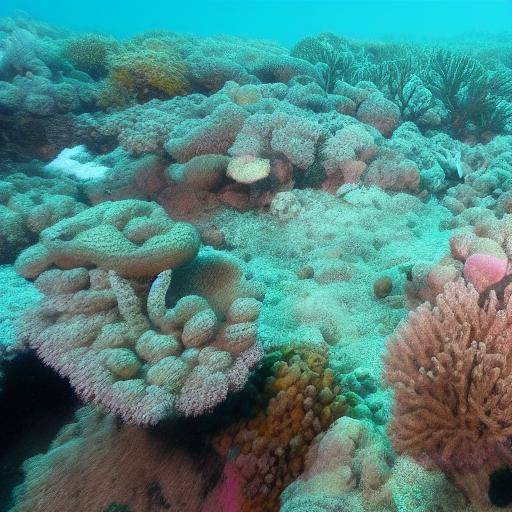
Kangaroo Island, known for its stunning landscapes and rich biodiversity, has witnessed a fascinating history dating back thousands of years. This article offers a deep dive in the history of Kangaroo Island, from the Aboriginal presence to the present day, exploring its evolution, historical impact and its relationship with the history of Australia.
Introduction
The Natural Beauty and the Deep History of Kangaroo Island
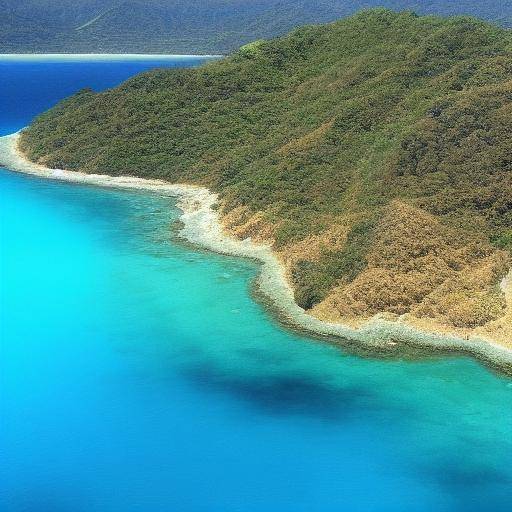
Kangaroo Island, a natural gem located on the southern coast of Australia, is known for its spectacular landscapes, dreamy beaches and a unique wildlife. However, beyond its superficial beauty, the island hosts a rich history that extends over millennia. In this article, we will discover the events that have shaped the island, from the first Aboriginal inhabitants to their role in modern Australian history. In addition, we will explore the evolution of Kangaroo Island and its importance in the broader historical and cultural context.
History and Background
A Deep Ancestral Legacy
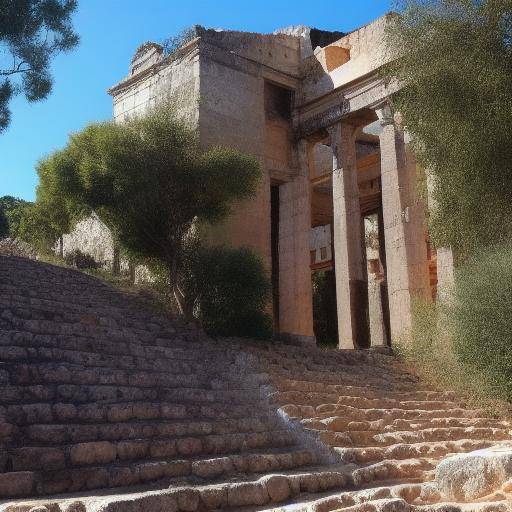
Kangaroo Island's history dates back to time immemorial, when the island was connected to the Australian continent and inhabited by the Aboriginal communities. The Native Kaurna and Ramindjeri considered the island a sacred place, rich in natural resources and wildlife. The human presence on the island dates back to more than 16,000 years, evidenced by archaeological sites that reveal stone tools, rock art and remains of human activities.
With the arrival of European colonizers in the nineteenth century, Kangaroo Island's history experienced significant transformations. The island became an epicenter of the whale industry, mineral exploration and agriculture, leaving an indelible mark on its landscape and economic development.
Over the centuries, Kangaroo Island has witnessed historic moments that have shaped his identity. From epidemics that decimated Aboriginal communities to environmental challenges and conservation efforts, the island has faced various challenges throughout its history.
Analysis in Deep
A Natural Jewel Threatened by Development
Kangaroo Island's pristine nature has been a magnet for tourism, which has generated both opportunities and challenges. While tourism has contributed to economic development, it has also raised concerns about the conservation of the island ' s fragile ecosystems. The balance between sustainable development and the preservation of its natural beauty is a burning theme that resonates in Kangaroo Island's contemporary history.
In addition, recent events, such as the devastating forest fires that ravaged much of the island, have highlighted the vulnerability of their ecosystems to the effects of climate change and human activity. These developments have triggered discussions on environmental management strategies and adaptation to climate challenges on the island.
Comprehensive review
Sustainability and Conservation: The Way to Follow
In the midst of the challenges he faces, Kangaroo Island has emerged as an example of conservation resilience and leadership. Conservation and sustainability initiatives, such as habitat restoration, the protection of endangered species and the promotion of eco-friendly tourism, have played a crucial role in protecting the island's natural uniqueness. These sustainable practices have laid the foundation for a future in which the history of the island continues to evolve, balancing the preservation of the ancestral legacy with the demands of modern development.
Comparative analysis
Kangaroo Island and its Influence in Australian History
Kangaroo Island's story intertwines with Australia's history significantly. The island has been a microcosm of the challenges and triumphs that Australia has experienced over the centuries, from European colonization to its development as a modern nation. Understanding the history of the island is crucial to a more comprehensive view of Australia ' s history and its relationship with Aboriginal communities.
Practical Tips and Accessible Recommendations
Explore Kangaroo Island: An Unforgettable Experience
If you plan to visit Kangaroo Island, here are some practical tips that will help you:
- Respect for Nature: By exploring the island, it respects wildlife and fragile ecosystems. It follows conservation regulations and avoids unnecessary disturbances.
- Responsible Ecotourism: Opt for tourist operators committed to sustainability and respect for the natural environment. Participates in experiences that promote conservation and environmental awareness.
- Cultural Exploration: Learn about Aboriginal history and culture of the island through educational experiences and visits to significant sites.
- Environmental consciousness: Contribute to conservation by minimizing your environmental impact, recycling and supporting local sustainability initiatives.
Sector Information and Expert Reviews
Perspective Futures on Kangaroo Island Legacy
Environmental conservation and management experts agree that Kangaroo Island's long-term sustainability depends on collaboration between government, local communities, the private sector and visitors. The implementation of innovative practices, the promotion of environmental education and the commitment to sustainable management techniques are crucial to ensuring a prosperous future for the island.
According to Dr. Elena Martinez, a renowned ecologist and expert on biodiversity, "The history of Kangaroo Island illustrates the interconnection between conservation of nature and human development. It is essential to recognize that our well-being depends on the health of ecosystems, and the history of the island offers valuable lessons on harmonious coexistence with nature."
Case Studies and Practical Applications
Kangaroo Island as Environmental Innovation Laboratory
The multidisciplinary approach to environmental management and conservation in Kangaroo Island has generated encouraging results. The implementation of ecological restoration strategies, the monitoring of indigenous species and the promotion of ecotourism have proved to be effective in the preservation of the island's natural heritage. These success stories offer valuable lessons that can be applied in global contexts, demonstrating that Kangaroo Island's history is a source of inspiration for sustainable ecosystem management.
Future Trends and Predictions
An Emblematic Place in Constant Evolution
Kangaroo Island's future is marked by an optimistic perspective, driven by commitment to conservation, innovation and cultural heritage. Emerging trends point to an integrated approach that promotes the balance between economic development and environmental preservation, ensuring that the history of the island remains a living legacy for generations to come.
Conclusions and FAQs (FAQs)
Conclusions
In short, Kangaroo Island's history highlights the unique intersection between nature, culture and history. From its ancestral legacy to its contemporary role as a beacon of conservation, the island offers valuable lessons on harmonious coexistence between humanity and the natural world. In reflecting on their history, we are inspired to embrace a holistic approach to the preservation of our environment, recognizing that each landscape has a story to tell.
Frequently asked questions (FAQs)
1. What is the importance of Kangaroo Island in Australia's Aboriginal history?
Kangaroo Island has an enormous importance in Australia's Aboriginal history, as it has hosted Aboriginal communities for millennia and has been a significant cultural centre. Its landscapes, natural resources and archaeological remains provide a profound view of ancestral connections with the earth.
2. How has the perception of environmental conservation evolved in Kangaroo Island throughout history?
The perception of environmental conservation in Kangaroo Island has experienced significant changes, from the initial approach to the exploitation of natural resources to a growing commitment to the sustainability and preservation of biodiversity.
3. What are the biggest challenges facing conservation in Kangaroo Island?
Current challenges include managing sustainable tourism, restoring fire-affected areas and protecting endangered species. The balance between economic development and environmental preservation is fundamental.
4. What is the impact of Kangaroo Island's history on Australia's cultural identity?
Kangaroo Island's history is part of Australia's historical fabric, enriching the country's cultural identity and providing a deeper understanding of interactions between Aboriginal communities, European settlers and nature.
5. What are the lessons that Kangaroo Island's history offers in terms of sustainability and environmental management?
Kangaroo Island ' s history underlines the importance of sustainable ecosystem management, the inclusion of indigenous perspectives in the conservation and promotion of responsible tourism as key elements for long-term environmental preservation.
6. What are the forecasts for the future of Kangaroo Island in terms of conservation and sustainable development?
The future of Kangaroo Island is expected to be marked by a greater focus on sustainable management, environmental innovation and public awareness promotion on the importance of its natural and cultural heritage.
Conclusion
Kangaroo Island, with its rich history and commitment to conservation, represents an invaluable legacy that transcends the barriers of time. By exploring its history and its role in the evolution of Australia, we discover the transformative power of nature and the importance of preserving it for future generations. Kangaroo Island's story invites us to reflect on our relationship with the natural environment and inspires us to advocate for a sustainable and harmonious future for all.
In conclusion, Kangaroo Island's story is a living narrative that connects us to the roots of the earth and urges us to embrace the responsibility of protecting its splendor for generations to come.
Through this in-depth exploration of Kangaroo Island's history, I hope you have acquired a richer and more meaningful understanding of this iconic island, its ancestral legacy and its fundamental role in Australia's history.
Remember that history is alive in every corner of Kangaroo Island, hoping to be discovered and appreciated in all its complexity and beauty.