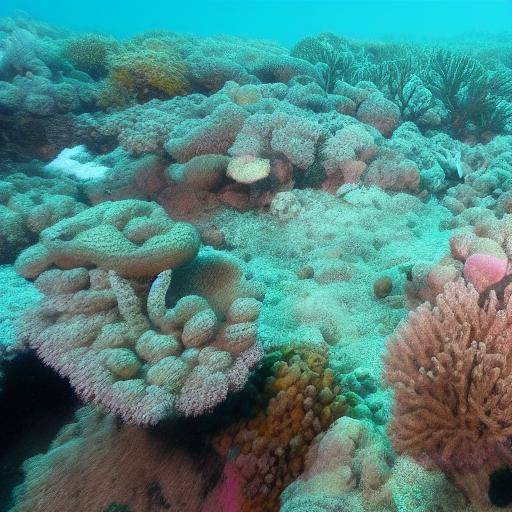
Australia is known for its unique nature and the diversity of its fauna, with iconic species such as kangaroo, koala and ornitorrinco. This country offers countless opportunities to enjoy wildlife experiences in its natural habitat. In this complete guide, we will explore the best experiences with fauna in Australia, from the observation of exotic birds to the encounter with native marsupials. We will discover the most outstanding destinations, practical advice and an overview of the incredible wildlife that inhabits the land of the kangaroos.
Introduction
Australia hosts some of the world's most diverse and fascinating ecosystems, making it an incomparable destination for nature and fauna lovers. From the vast plains of Outback to the lush tropical forests, each region offers the opportunity to discover unique species and witness wild behaviors in its natural environment. This guide aims to serve as a complete tool for those who wish to immerse themselves in Australia's natural wealth and experience memorable encounters with its extraordinary fauna.
History and Background
The history of Australian fauna is as fascinating as its creatures. Since the arrival of the first Aboriginal inhabitants, the relationship between human beings and fauna has been central to Australian culture and identity. The indigenous fauna has evolved into geomorphological isolation for millions of years, leading to a unique biota that has attracted the attention of naturalists and scientists around the world.
Analysis in Deep
Australia faces significant challenges in the conservation of its fauna, as many species are at risk of extinction due to habitat loss, the introduction of exotic species and climate change. Despite these challenges, Australia has implemented innovative conservation programs and has managed to protect critical areas for the preservation of its unique fauna.
Exhaustive examination
Exploring Australia's unique ecosystems is an experience that can change lives. The possibility of witnessing the diversity of Australian fauna in its natural environment is a privilege that leaves a lasting impression on those who have the opportunity to experience it.
Comparative analysis
Australian fauna is unique in its diversity and adaptation to adverse environments. The interaction of fauna with Australia and its nature is fundamental to understanding the uniqueness of the country in terms of biodiversity and ecosystems.
Practical Tips and Accessible Tips
For those who wish to explore Australia's fauna, it is important to be prepared for the unique conditions in the different regions of the country. The choice of the time of year and destination can have a significant impact on the quality of the wildlife observation experience.
Perceptions of Industry and Expert Reviews
Animal and conservation experts play a crucial role in understanding and preserving Australian fauna. Their expertise and dedication to conservation inform and enrich our experiences with wildlife.
Case Studies and Applications in Real Life
The observation of the fauna in its natural habitat is a transformative experience that connects us with nature in a unique way. Case studies that describe memorable encounters with Australian fauna help illustrate the importance of preserving these fragile ecosystems.
Future Trends and Predictions
The conservation and protection of fauna in Australia remains a key priority for governments, NGOs and society at large. The development of innovative and sustainable strategies for harmonious coexistence between humanity and fauna is critical to ensuring a healthy future for Australian wildlife.
Conclusion
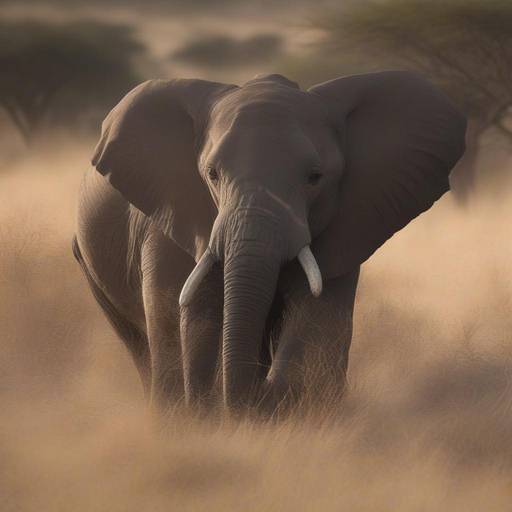
In short, Australia offers unique and unforgettable experiences with unbelievable wildlife in diverse natural environments. From the majestic kangaroos that travel the plains to the adorable koalas resting on the trees, each encounter with Australian fauna is an opportunity to appreciate the beauty and uniqueness of wildlife. When preparing to explore Australia's fauna, it is essential to maintain deep respect for wildlife and its natural environment, ensuring that any negative impact on fragile ecosystems is minimized.
Frequently asked questions
1. What are some of Australia's most emblematic fauna species?
Australia is known for its iconic wildlife species, such as kangaroo, koala, wombat, ornitorrinco and emú. Each of these species is unique in its adaptation to the various environments of the Australian continent.
2. What is the best time to watch the fauna in Australia?
The best time to observe the fauna in Australia varies according to the region and the specific species you wish to see. In general, spring and summer are usually optimal moments for wildlife observation, as many species are more active during these seasons.
3. What are the most significant conservation challenges facing Australian fauna?
Australian fauna faces major challenges such as habitat loss, the introduction of invasive species, climate change and the fragmentation of ecosystems. These challenges require comprehensive conservation strategies and a long-term commitment to ensure the survival of native species.
4. What precautions should be taken when observing the fauna in its natural environment?
When observing the fauna in its natural environment, it is essential to respect the patterns of ethical behavior, maintain a safe distance from the animals and avoid disrupting their natural behavior. In addition, it is vital to follow the indications of local and conservation guides.
5. What are some outstanding destinations for wildlife observation in Australia?
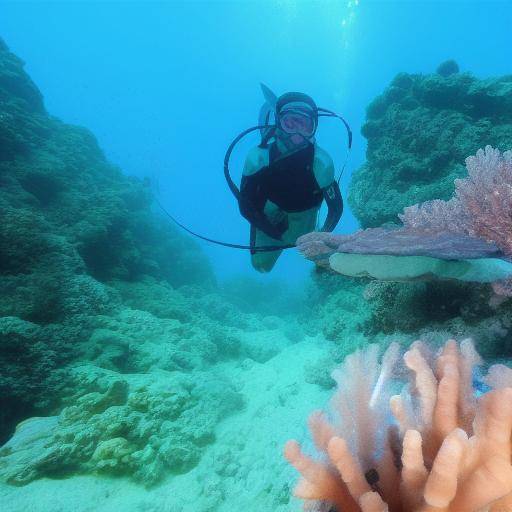
Australia has a wide range of ideal destinations for wildlife observation, such as Kakadu National Park, Canguro Island, Daintree National Park and Coral Grand Barrier. Each of these destinations offers unique opportunities to interact with indigenous fauna.
6. How can I contribute to the conservation of Australian fauna?
Contributing to the conservation of Australian fauna may include actions such as supporting conservation organizations, participating in volunteer programmes, promoting public awareness and adopting sustainable practices in all aspects of everyday life.
In conclusion, Australia's fauna offers unmatched wealth for those who seek immersive and enriching experiences with wildlife. From the majesty of emblematic creatures to the delicate biodiversity of their habitats, Australia is a treasure for nature and fauna lovers. By exploring the diverse ecosystems of this extraordinary continent, the door opens to fascinating encounters and the opportunity to witness the wonder of wildlife in one of the most impressive environments on the planet.