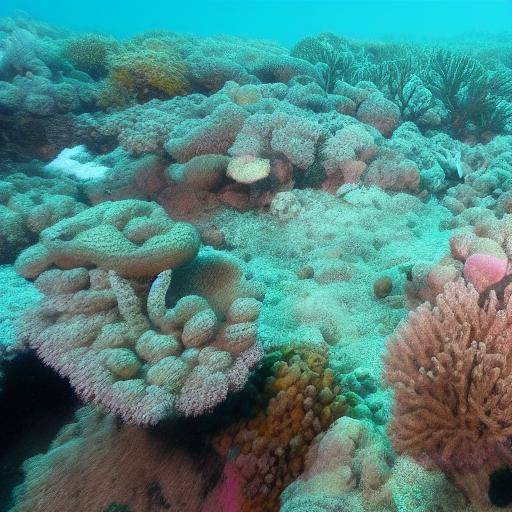
Kangaroo Island, or Kangaroo Island in English, is a natural paradise located in southern Australia. With a unique biodiversity, spectacular scenic beauty and exceptional wildlife, this island is a dream destination for nature lovers. In this article, we thoroughly explore Kangaroo Island's wildlife, its ecological importance, and how it integrates into Australia's natural environment.
Introduction
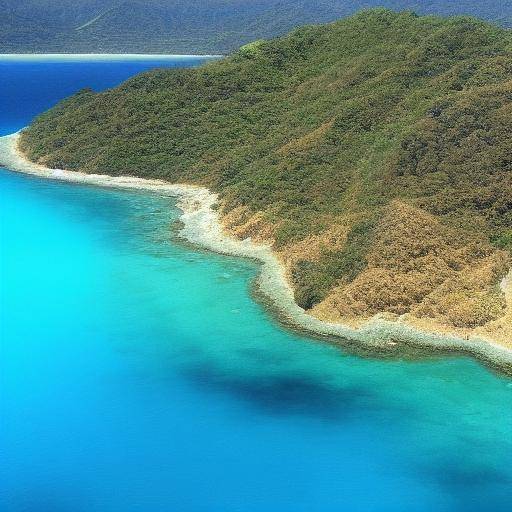
Kangaroo Island, or Isla Canguro in Spanish, is a natural treasure that houses a rich diversity of animal and plant species. Located just 112 kilometres south-west of Adelaide, the capital of South Australia, this island is distinguished by its spectacular coastal landscape, its imposing cliffs, sand dunes, wetlands and native forests. But what makes Kangaroo Island such a special destination is its unique wildlife and the conservation of its natural environment.
In this article, we will explore in detail the fascinating wildlife of Kangaroo Island, from the ecological importance of the island and its role in the conservation of endangered species, to the unique experiences it offers to visitors who want to connect with nature in its purest state.
History and Background
Kangaroo Island's history dates back to thousands of years, when the island was connected to the Australian continent and was subsequently inhabited by Australian Aboriginals. It was also seen by European explorers in the nineteenth century and has experienced different stages of colonization and development.
Kangaroo Island has historically been recognized for its rich biodiversity, which includes endemic and endangered species. The island has been an epicenter for the conservation of species such as the yellow-necked wallaby, the southern bandicut and the fish eagle, among others. In addition, Kangaroo Island has been a refuge for endangered wildlife, providing a protected environment for the reproduction and recovery of endangered species.
Analysis in Deep
The importance of Kangaroo Island as a natural reserve is not limited only to its biodiversity. The island has played a significant role in scientific research, environmental education and sustainable tourism. Conservation efforts and ecotourism initiatives have enabled visitors to experience the island's unique wildlife closely without compromising its long-term conservation.
The balance between conservation and sustainable tourism is essential for the preservation of Kangaroo Island's natural environment. Management programmes have been implemented to ensure the sustainability of tourist activities without compromising the ecological integrity of the island. The development of responsible tourism practices has been instrumental in ensuring that future generations can enjoy Kangaroo Island's unique natural beauty.
Comprehensive review
Wildlife management in Kangaroo Island has been an area of constant focus, with conservation programs and scientific studies that seek to understand and protect endemic and endangered species. Collaboration between conservation organizations, scientists and the local community has been essential to ensuring a coherent approach to wildlife protection.
Comparative analysis
By comparing Kangaroo Island with other natural areas of Australia, its uniqueness is evident in terms of biodiversity and conservation. The unique combination of coastal ecosystems, native forests and wild habitats provides an incomparable setting for wildlife observation and connection with nature. In addition, the integration of wildlife into the tourist experience has positioned Kangaroo Island as a reference destination for ecotourism internationally.
Tips and Tips## Conclusion & FAQs
Conclusion
Kangaroo Island is a natural treasure that offers an unforgettable experience for those looking to connect with wildlife in their original environment. Its unique biodiversity, commitment to conservation and focus on sustainable tourism make it an unmatched destination for nature lovers.
- Kangaroo Island's ecological importance lies not only in its exceptional flora and fauna, but also in its role as a conservation center for endangered species.
- The balance between conservation and sustainable tourism has been instrumental in preserving its natural environment.
FAQs
1. What are the most emblematic species of Kangaroo Island?
Kangaroo Island hosts unique species, such as the yellow-necked wallaby, the southern bandicut, the fish eagle and the Tasmanian demon, among others. These species are vital to the island's ecosystem.
2. What are the best ways to experience wildlife in Kangaroo Island?
The options include guided tours, bird sighting, nature walks, koalas and penguin sighting, sea lion observation and much more.
3. Why is wildlife conservation important in Kangaroo Island?
Wildlife conservation in Kangaroo Island is crucial to maintaining ecological balance. The island plays a key role in the preservation of endangered species.
4. What is the impact of tourism on Kangaroo Island's wildlife?
Sustainable tourism has contributed to awareness of the conservation and generation of funds for wildlife preservation programmes.
5. How is the local community involved in wildlife conservation in Kangaroo Island?
The local community participates in conservation, environmental education and sustainable tourism programmes, playing a key role in the protection of wildlife.
6. What are the future challenges for wildlife conservation in Kangaroo Island?
Climate change, natural resource management and the preservation of critical habitats are key challenges facing wildlife conservation in Kangaroo Island.
With its amazing landscapes and exceptional biodiversity, Kangaroo Island is a gem of nature that deserves to be explored and protected. The wildlife of this island is a reminder of the importance of preserving our natural ecosystems and the need for sustainable tourism to ensure their long-term conservation.