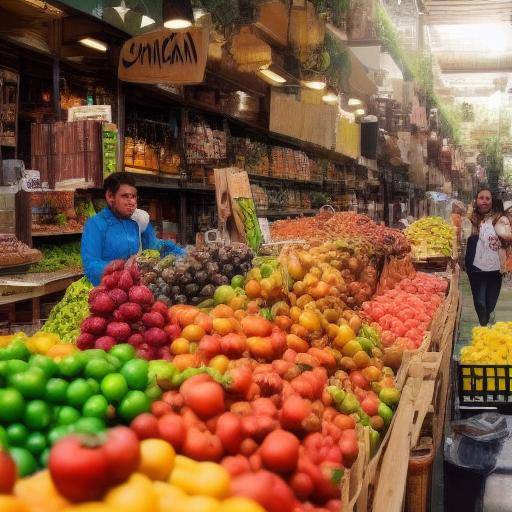
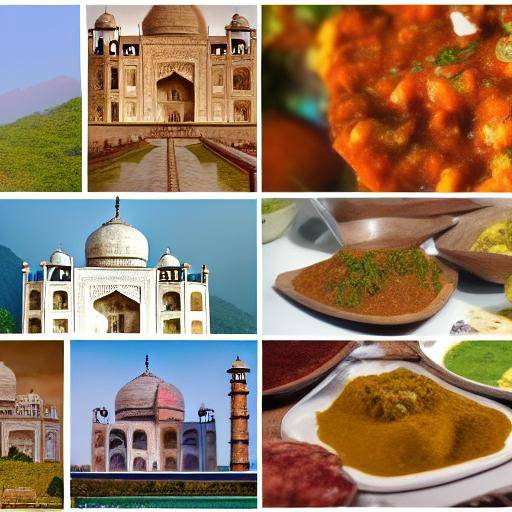
Welcome to the amazing and intoxicating world of spice markets in captivating India! Dive into a multi-sensory experience while exploring the rich history, cultural diversity and exquisite art of spices in this fascinating country. From the aromatic positions of Delhi to the vibrant bazaars of Bombay, discover how the spice markets of India offer a feast for the senses.
Introduction
Indian spice markets are famous around the world for their diversity, intensity of flavors and exquisite aromas. In this article, you will enter the rich tapestry of flavors, aromas and colors that define the culture of spices in India. We will explore history, cultural significance, influence in the kitchen and current trends that make Indian spice markets a must-have destination for any lover of gastronomy and culture.
History and Background
India's spice markets have a millennial history dating back centuries. From the first records in ancient religious texts to the influence on global trade routes, spices have played a crucial role in the history of India. Spice markets have not only been trade centres, but also places of cultural and social exchange.
In ancient times, Indian spices were a treasure coveted by distant civilizations, leading to the creation of maritime trade routes that connected India with Europe, Africa and Asia. The exploration of these routes by foreign traders and travellers led to the spread of Indian culture and culinary practices worldwide.
The impact of spices on Indian culture is undeniable, influencing gastronomy, traditional medicine, religion and everyday life. Even today, spices remain a central element in the culinary and cultural identity of India.
Analysis in Deep
Spice not only add flavor and aroma to the dishes, but also offer a wide range of health benefits. The rich diversity of spices in India includes curcuum, cumin, cardamom, cinnamon and many more, each with unique properties and medicinal benefits. Scientific studies have supported the health benefits of many of these spices, resulting in renewed interest in alternative medicine and plant-based therapies.
Despite its wealth in spices, India also faces challenges in the spice industry, such as sustainability, quality and global competition. India ' s domestic and international demand for spices has promoted the development of sustainable crop practices and the implementation of quality standards to ensure high-quality products.
Comprehensive review
India's spice markets are not only places of trade, but also vibrant cultural centres that reflect the country's diversity and culinary crafts. From the narrow streets of the local markets to the modern spice shops in the cities, visitors are transported to a world of color and taste.
The culture of spices is not only locally appreciated, but has also gained popularity in international cuisine, where renowned chefs use Indian spices in their dishes to add complexity and depth of flavor. The significance of India's spices in world cuisine is a testimony to its lasting influence on global culinary culture.
Comparative analysis
India's rich tradition of spices has been shaped by a variety of factors, from its ancient culinary practices to its diverse geography and climates. Compared to other cultures of spices in the world, India stands out for its intricate wisdom in the use of spices in its dishes, which vary according to regions and culinary traditions. While in some cultures the spices are used to enhance the taste of the dishes, in India, they are the very soul of the kitchen, providing unique complexity and sophistication.
Practical Tips and Useful Tips
If you venture into India's spice markets, here are some practical tips to get the most out of your experience:
- Explore Diversity: Indian spice markets are a visual and olfactory feast. Take your time to explore the diversity of spices, from those known as turmeric and cilantro to the most exotic as afétide and curry leaves.
- Interact with Locals: Take advantage of the opportunity to engage in conversations with local sellers, who will not only give you their spices, but also traditional stories and recipes.
- Try New Flavors: Don't be afraid to try new spices and mixtures you find in the markets. India is known for its unique combinations of spices that transform the dishes into true delights for the palate.
Industry Perspectives and Expert Reviews
India's spice markets have undergone significant changes in recent years, with a renewed focus on the sustainability, traceability and quality of spices. Experts in the spice industry highlight the importance of preserving culinary traditions and sustainable agricultural practices to ensure the continuity of the rich heritage of spices in India.
According to experts, India is seeing a growing demand for organic and ethical spices, leading to an increase in the certification and traceability of products. In turn, this has generated greater recognition and appreciation of India's spices in the global market.
Case Studies and Applications in Real Life
The spice markets of India are not only popular tourist destinations, but also sources of inspiration for chefs and gastronomy enthusiasts from around the world. Many international restaurants and food chains seek to obtain the authentic spices of India to ensure the authenticity and quality of their dishes.
Furthermore, in India, the spice industry is not limited to food, but also extends to Ayurvedic medicine and the manufacture of personal care and beauty products. Traditional spices are used in the formulation of medicines based on natural herbs and cosmetics, taking advantage of their healing properties and benefits for skin and hair.
Future Trends and Predictions
The future of India ' s spice markets is seen as promising, with a growing focus on the promotion of sustainable agriculture, the conservation of native varieties of spices and the expansion of international trade in spices. India is expected to continue to consolidate its position as a global leader in the production, export and diversity of spices, attracting the attention of consumers aware of quality and sustainability.
Conclusions
In conclusion, India ' s spice markets represent much more than simple trading sites. They witness a rich history, bearers of centuries-old traditions and ambassadors of India's lush culinary diversity. The legacy of spices in India not only permeates its dishes, but also its culture, identity and influence in the world.
Frequently asked questions (FAQs)
What is the most emblematic spice in India?
The cumin is one of the most emblematic spices in India, widely used in Indian cuisine for its distinctive terrifying flavor and warm aroma.
How have India's spices influenced world cuisine?
Indian spices have enriched the world cuisine with its variety of unique flavors and aromas, transforming traditional dishes into exciting and nuance-filled gastronomic experiences.
Why is India known as the cradle of spices?
India has historically been known as the cradle of spices due to its rich tradition in the cultivation, production and trade of a wide range of spices that have conquered palates from around the world.
What role do spices play in traditional Indian medicine?
Spice has been used for centuries in Indian traditional medicine, known as Ayurveda, for its healing properties and health benefits.
What are the most used spices in Indian cuisine?
Some of the most commonly used spices in Indian cuisine are turmeric, cumin, cilantro, cardamom, cinnamon, ginger, clove, black pepper, among others.
How can I distinguish between different types of spices when buying in the markets of India?
By buying spices in India's markets, it is important to pay attention to factors such as freshness, aroma, the integrity of spices and the seller's reputation to ensure the purchase of high quality products.
What are the current trends in the Indian spice industry?
Current trends in the Indian spice industry focus on sustainability, traceability, expansion of organic varieties and the promotion of innovative agricultural practices.
With the diversity of spices offered by India and its profound influence on culture, cuisine and medicine, the country's spice markets illustrate the magnificent heritage that has captivated people from around the world for millennia.
Now that you have entered the wonderful world of Indian spices, we invite you to continue exploring this fascinating culture and its intoxicating aromas in your own culinary and travel experiences. May every dish cooked with spices be a celebration of the cultural and culinary wealth that India so proud of!
Remember that the magic of Indian spices is within your hand. It's time to give your recipes a special touch with these culinary treasures!