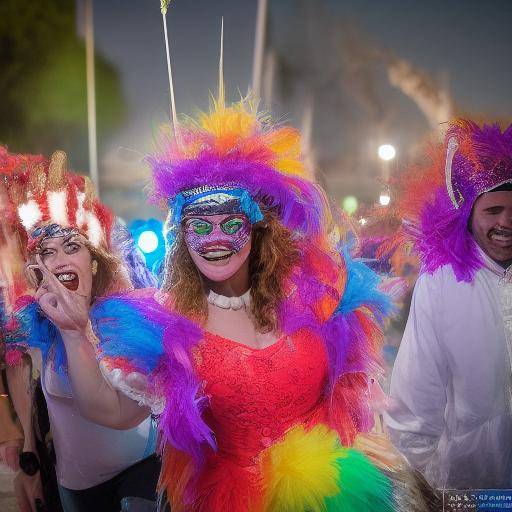
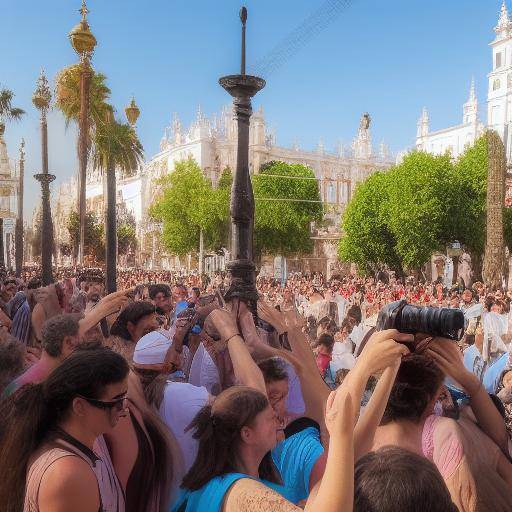
The Holi Festival is a colorful and joyful celebration that takes place in India and around the world. One of the most striking aspects of Holi is the opportunity to capture vibrant and exciting photographs that reflect the unique essence of this holiday. In this photographic guide, we will explore the historical and cultural roots of the Holi, the challenges and benefits of photographing this festival, as well as practical advice, future trends and examples of the real world.
Introduction
The Holi Festival, also known as "the festival of colors" or "festival of spring", is a Hindu celebration that commemorates the victory of good over evil, the arrival of spring and the renewal of nature. During the Holi, people throw colored dust, dance and celebrate on the streets, creating an atmosphere of joy and joy. These holidays offer a unique opportunity to capture images full of energy, emotion and fun.
History and Background
The Holi Festival has deep roots in Hindu mythology and has evolved over the centuries. His story is linked to various legends, including the victory of good over evil represented by the history of Prahlada and the diabolical Holika. Over time, Holi has acquired a social and cultural dimension that transcends religious barriers, becoming a celebration of diversity and union.
Detailed Analysis
Photographing the Holi Festival presents unique challenges, from lighting management to capture the spontaneity of the participants. However, it also offers opportunities to create shocking images that reflect the exuberance and vitality of this holiday. We will explore techniques and tips to get memorable and emotional photographs from Holi.
Comprehensive review
In addition to the technical aspects, it is crucial to understand the cultural and spiritual importance of Holi to capture photographs that convey their true essence. We will deepen in the symbolism of colors, rituals and significant moments that provide a unique visual narrative.
Comparative analysis
We will compare the visual impact of the Holi Festival with other cultural events, exploring the differences and similarities in the photography of festivals around the world. We will also highlight the unique characteristics of photographing in India, from its landscapes to the warmth of its inhabitants.
Tips and Recommended Actions
We will offer practical advice and recommended actions to prepare and execute a successful photo shoot during the Holi. From team selection to interaction with participants, each aspect will be approached in detail to ensure exceptional results.
Industrial Perspectives and Expert Reviews
We will have the perspective of experienced photographers and experts in Indian culture, who will share their vision and advice to capture the essence of Holi through the lens.
Case Studies and Real Life Applications
We will present case studies that illustrate how the photographs of the Holi Festival have been used in publications, campaigns and artistic projects, highlighting their visual and emotional impact.
Future Trends and Predictions
We will consider emerging trends in the photography of cultural events and predictions on how these practices will evolve in the future, taking into account technological, sociocultural and artistic aspects.
Conclusion and Frequently Asked Questions (FAQs)
In conclusion, we will summarize the key aspects of the photographic guide to the Holi Festival and reiterate the importance of capturing the authenticity and spirit of this festival through photography.
Frequently asked questions (FAQs)
Question 1: What is the best time to photograph the Holi Festival?
The best time to photograph the Holi Festival is during the early morning, when the light is soft and the colors stand out vividly. In addition, it is beneficial to capture moments before and after colored dusts are thrown, as that can provide a more complete visual narrative.
Question 2: How to avoid damaging the photographic equipment during the Holi?
To protect the photographic equipment during the Holi Festival, it is recommended to use special protectors for the camera and equipment, such as waterproof covers and protective filters for the lens. In addition, it is essential to keep the equipment clean and make sure to clean any colored dust residues after the photo shoot.
Question 3: What cultural aspects of Holi can influence photographs?
The most significant aspect of the Holi that influences photographs is the expression of joy and unity among people. The presence of vibrant colors, music and traditional dances are elements that reflect the essence of the festival and should be captured to convey its authenticity.
Question 4: How to obtain the collaboration and consent of the participants in taking photographs?
It is essential to request the consent of the participants before photographing them during the Holi Festival. To achieve genuine collaboration, it is advisable to communicate with them in a respectful way, explain the purpose of the photographs and make sure they feel comfortable with the situation.
Question 5: What photo equipment is best suited to capture the Holi Festival?
It is recommended to use wide angle lenses to capture the breadth of the celebrations and fixed focal lenses with a wide opening to highlight the depth and energy of the colors. In addition, it is advisable to have a dust and water resistant camera as well as cleaning accessories.
Question 6: What ethical considerations should be taken into account when photographing the Holi Festival?
When photographing the Holi Festival, it is essential to respect the beliefs and privacy of the participants. Avoid capturing intimate or vulnerable moments without the explicit consent of people, and be aware of how diverse cultural expressions are represented in their photographs.
With this photographic guide to the Holi Festival, the enthusiasts of photography can prepare themselves to immortalize the magic and emotion of this unique holiday with skill and sensitivity. The capture of special moments, the transmission of authentic emotions and the preservation of Holi's visual wealth are rewarding challenges that will reward photographers with stunning and memorable images. May this guide inspire many to undertake the adventure of capturing the essence of Holi through photography!