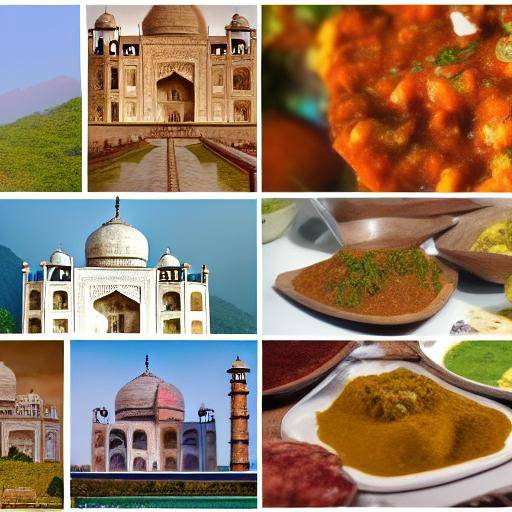
The history of spices, its importance in culture and its link with India, is a fascinating journey through time. From the old trade routes to today, spices have played a crucial role in gastronomy, medicine and the global economy. In this article, we will explore the spice route in India, from its historical beginnings to its impact today. We will discover the rich history and legacy of spices, their meaning in the history of India and their relevance in the modern world.
Introduction
The intoxicating aroma of spices, its diversity of flavors and its medicinal properties have captivated civilizations over the centuries. In India, the history of spices and their role as a trade and production centre is a story that intertwines culture, economy and national identity. From remote times to the boom of global trade, spices have attracted traders, explorers and lovers of gastronomy, contributing to the diffusion of knowledge and wealth.
In this article, we invite you to embark on a journey through the history of spices in India, from its origins in ancient civilizations to its influence in contemporary cuisine. We will explore the route of the spices, their historical protagonists, the cultural exchanges that propitiated and their relevance in the global economy. Throughout this journey, you will discover the transcendence of spices in the history of India and its continued influence in the current world.
History and Background
The history of spices in India dates back to millennia, when ancient civilizations recognized the incalculable value of these aromatic substances. Spice not only added food taste, but also used for medicinal, religious and ceremonial purposes, forming an integral part of daily life. India, with its diverse and fertile climate, was an enabling territory for the cultivation and trade of spices, which made it an epicenter of commercial and cultural activity.
Origins and Evolution
The spices became a currency of exchange in the dawns of civilization. The Ancient Civilizations of India such as the Indo Valley and the Vedic Culture already used spices such as turmeric, ginger and pepper in their kitchen and medicine. Over time, spice trade expanded through land and sea routes, linking India, China, the Middle East, Europe and Africa.
During the time of the Great Navigations, the search for new routes to Asia prompted explorers such as Vasco da Gama and Cristóbal Colón to embark on maritime crossings in search of spices. The discovery of the Wraith Route opened new commercial pathways that reconfigured the world's economic and political map. The impact of this exchange was not limited to the economy, but also generated a cultural mestizaje that enriched the societies involved.
Historic Hitos
During the antiquity and the Middle Ages, spices were among the world's most cherished and coveted products, with a value equivalent to gold. The trade routes that connected India to the rest of the world were witnesses of camel caravans loaded with spices, ship convoys of ships that subtracted the oceans and adventurous that penetrated the unknown in search of these valuable goods.
The influence of spices was reflected in literature, art and religion. In Ancient Egypt, spices were used in mummification processes and religious ceremonies. In India, spices were venerated as gifts of the gods, and their presence was perceived in religious rituals and culinary traditions. This cultural and historical wealth manifested itself in the diversity of spices that were cultivated and traded, generating a legacy that lasts until today.
Deep analysis
Benefits and Challenges
Spice not only add flavor and aroma to food, but also have medicinal properties. In India, Ayurveda, a millennial system of holistic medicine, uses a wide range of spices to restore body balance and promote health. Scientific studies have supported the health benefits of spices such as turmeric, cumin and cinnamon, demonstrating their potential to combat disease and promote well-being.
However, the cultivation and trade of spices was not without challenges. During the colonial era, the control of the spice trade routes became a focus of disputes between European powers, negatively impacting on the spice-producing communities. Overexploitation and commercial monopoly led to a deterioration in the living conditions of farmers and the impoverishment of producer regions.
Current trends and perspectives
Today, India remains one of the leading producers and exporters of spices worldwide, highlighting its diversity of flavors and aromas. The spice sector has evolved, adopting sustainable cultivation, production and trade practices. Indian spices remain coveted in international gastronomy, and the demand for organic and high-quality spices is constantly growing.
The growing awareness of health and well-being has led to the resurgence of traditional medicine and the use of spices as a therapeutic complement. Scientific research continues to explore the medicinal properties of spices, opening new possibilities for their application in modern medicine. The future of the spice market in India is seen as a combination of tradition, innovation and sustainability.
Comprehensive review
Applications and Best Practices
Spice is not only used in gastronomy, but also have applications in the cosmetics industry, medicine, perfumery and aromatherapy. In India, ancestral knowledge about spices has led to unique culinary practices, such as the use of traditional spice mixtures, known as masalas, which enhance the flavours of regional dishes.
Best practices in the cultivation and production of spices include the promotion of organic agriculture, biodiversity conservation and support to local communities. Farmer cooperatives have emerged as a successful model to promote equity in the spice supply chain, ensuring fair treatment for producers and the preservation of agricultural traditions.
Sector perspectives
The spice sector in India faces challenges and opportunities in a globalized world. The adoption of technologies for traceability and quality control, together with the strengthening of trade regulations, are key to ensuring the competitiveness and reputation of Indian spices in the international market. The promotion of the diversity of spices and the narrative of their historical origin are differential aspects that can promote greater appreciation and demand from global consumers.
Comparative analysis
The interconnection of spices, history and India is a testimony of the mutual influence that has endured over the centuries. The spices have shaped the culinary and cultural identity of India, while they have been shaped by the traditions and socio-economic environment of the country. India's geographical diversity has led to a wide variety of native spices, each with its own history and cultural significance.
Globally, the influence of Indian spices extends the cuisine, medicine, perfumery and consumer goods industry. The diffusion of spices through the trade routes has enriched and diversified the cuisines of the world, generating cultural exchanges that last on the tables of all continents. Globalization has allowed Indian spices to cross borders, influencing food and consumption habits in different countries.
Practical Tips and Accessible Recommendations
Tips for the Use of Spices
- Store the spices in hermetic containers and in cool and dark places to preserve its freshness and flavor.
- Invest the properties of each spice and experiment with combinations to enhance the flavors of your dishes.
- Buy bulk spices and grind them at home to maximize freshness and aromatic power.
Step-by-Step Guide to Creating Case Studies Mixers
- Select your favorite spices, such as turmeric, cumin, black pepper, cardamom and cinnamon.
- Smooth the spices in a skillet to highlight their flavors.
- Mix the spices in balanced proportions and store them in a hermetic jar.
Importance of Authenticity in the Election of Suspecies
- It prefers specimens of certified origin that guarantee their quality and authenticity.
- It seeks products that support local communities and promote sustainable production practices.
Perceptions of Industry and Expert Reviews
Expert reflections on Gastronomy and Traditional Medicine
"The spices are the essence of Indian cuisine, providing an incomparable complexity of flavors and aromas that connect with their rich history." - Chef Renowned, James Beard Award.
"Indian traditional medicine uses a diverse range of spices to balance the body, mind and spirit, offering natural and holistic solutions for health." - Dr. Anjali Sharma, Specialist in Ayurveda.
Case Studies and Practical Applications
Case Study: Promotion of Sustainable Practices in the Cultivation of Suspecies
The "Sustainable India" cooperative has implemented a holistic approach to promoting sustainable agricultural practices among local farmers. Through training in organic agriculture, the conservation of indigenous seeds and the certification of fair trade, the cooperative has improved the living conditions of farmers and guaranteed the quality and traceability of the species produced.
Applications in the Cosmetic and Perfumería Industry
Indian spices, such as saffron, sandalwood and nail, have become coveted ingredients in the cosmetics and perfume industry. The aromatic and therapeutic properties of these spices have been used in the creation of perfumes, essential oils and skin care products, highlighting the multifaceted potential of spices in the consumer goods industry.
Future Trends and Emerging Predictions
Future trends in the spice market point towards greater appreciation of the diversity and authenticity of Indian spices. Growth in demand for organic spices and fair trade is expected, driven by increased awareness of the sustainability and origin of products. In addition, the incorporation of spices in modern medicine and state-of-the-art gastronomy is a promising way to promote health and well-being.
Conclusions and FAQs
Conclusions
The spice route in India is not only a historical account, but also a journey through the fascinating interaction between culture, trade and identity. The history of spices in India has left a legacy that lasts today, enriching the world with its flavors, aromas and health benefits. As we explore this route, we immerse ourselves in the history of India, discovering the transcendental role that spices have played in their evolution and global projection.
Frequently asked questions
1. What are some of India's most emblematic spices?
India is known for spices such as turmeric, cumin, ginger, cinnamon, cardamom, black pepper and nail, among many others.
2. How are spices used in traditional Indian medicine?
Spice are used in Ayurvedic medicine through herbal preparations, infusions and ointments to treat various ailments and promote body balance.
3. What is the importance of spices in Indian cuisine?
The spices are the soul of Indian cuisine, providing a complexity of flavors and aromas that define their wide culinary diversity.
4. What is the economic impact of spice trade in India?
Spice trade has historically been a pillar of the Indian economy, generating currency, employment and fostering sustainable agriculture.
5. What emerging trends are observed in the global spice market?
There is an increase in demand for organic, ethically produced and high-quality spices, as well as a greater appreciation for India's unique spice mixtures.
6. Where can I get authentic and quality spices?
You can find authentic spices in stores specializing in international products, local markets in India or through online trusted providers that support quality standards.
In understanding the complex interlacing of spices, history and India, the reader gets a deeper insight into how these three facets have shaped not only contemporary culture, but also the global trajectory of India and its rich gastronomic and medicinal heritage. This journey through the spice route is ultimately an immersion in the diversity, tradition and potential of a legacy that continues to captivate the modern world.