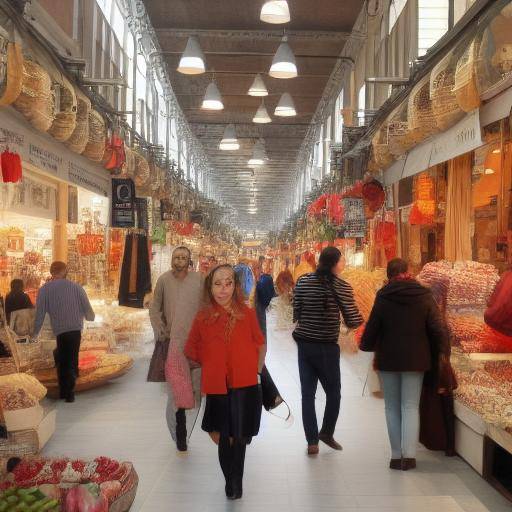
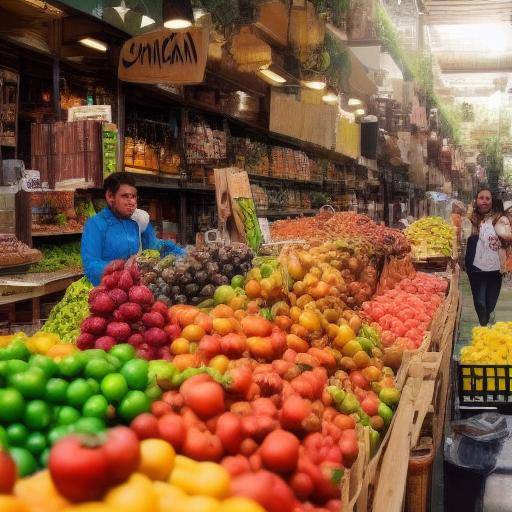
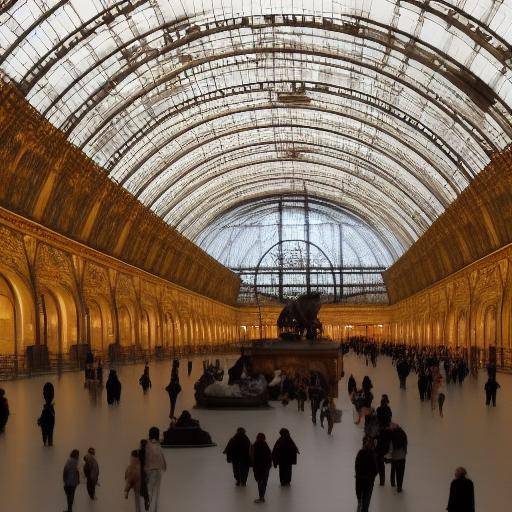
Istanbul markets, with their magical charm and ancient aura, are a melting pot of colors, flavors and aromas that captivate visitors. From the labyrinthoused shopping streets of Gran Bazar to the bustling zocos that spread throughout the city, Istanbul markets are a paradise for handicraft lovers and a window to the rich culture of Turkey. In this article, we will thoroughly explore the wealth of Istanbul's markets, the exquisite crafts they find and the vibrant culture that drives them.
History and Background
Istanbul markets, with a history dating back to millennia, have deep roots in the cultural and commercial wealth of the region. From their role in the old trade routes of silk to their relevance in the contemporary world, these markets have been key witnesses and actors in the history of Istanbul and world trade.
The scourges and markets were fundamental in creating a dynamic economy and served as epicenters of cultural exchange in the region. It is in this crucible that the crafts flourished, from the exquisite work in ceramics and Islamic calligraphy to jewelry, textiles and lace.
Exhaustive analysis
Istanbul markets offer a wide range of crafts, from hand-woven carpets and exquisite ceramics, to delicately crafted copper pieces and silk fabrics. Skill and tradition combine to produce unique creations that reflect Turkey's rich cultural heritage. In addition, handicrafts in these markets are enriched with the diversity of cultural influences, from Persians and Byzantines to Ottomans and contemporary.
The experience of buying in Istanbul markets is also an immersion in culture. The merchants, with their warmth and kindness, share their knowledge of the traditions and the stories behind the crafts, adding a significant value to each acquired piece. This intimate connection with local culture is one of the most powerful attractions in these markets.
Comprehensive review
Crafts in Istanbul markets is not only an expression of skill and ingenuity, but also offers a window to the country's culture. The traditions, techniques and designs convey stories from generation to generation, preserving the cultural identity of Turkey and celebrating its diversity. This connection between crafts and culture creates a unique and meaningful shopping experience for visitors.
Exploring Istanbul markets is not only a search for artisanal treasures, but also an opportunity to understand the depth and beauty of Turkish culture. Interaction with traders and artisans provides an authentic perspective on everyday life, traditions and beliefs, enriching the experience beyond the acquisition of handicrafts.
Comparative analysis
The Istanbul markets, the crafts they hold and the culture they radiate are intrinsically intertwined. Each element enhances the other, creating a unique environment that captivates visitors. The diversity of crafts reflects the wealth and cultural diversity of Turkey, while markets themselves are a manifestation of the vitality and entrepreneurial spirit of the Turkish people.
The entrepreneurial spirit and passion for handicrafts in Istanbul markets are witnesses of a culture rooted in creativity and love for beauty. The vivacity of these markets, their contagious energy and their hospitality translate into a cultural history that blends with modernity, offering an unparalleled experience.
Practical Tips and Accessible Tips
By exploring Istanbul markets and its craftsmanship treasure, it is important to remember some recommendations to enhance the experience. Some useful tips include:
- Take the time to meet the merchants and listen to the stories behind the crafts.
- Explore different areas of markets to discover a wide range of crafts and cultures.
- See the locals for recommendations on the best shops and craftsmen.
- Being prepared to negotiate prices, as bargaining is an integral part of the market buying experience.
Perceptions of Industry and Expert Reviews
The markets of Istanbul and its artisanal offer have attracted the interest of experts in art and culture, as well as enthusiasts of design and craftsmanship. Talks with experts reveal that Istanbul markets are not only commercial destinations, but also a reflection of the city's cultural identity.
Experts agree that the driving thread of these markets is the preservation of traditions, the promotion of local crafts and the creation of a space for cultural interaction. This unique combination has turned Istanbul markets into a beacon of crafts and culture, capturing the imagination of those who seek to discover and appreciate the authentic.
Case Studies and Real Applications
The impact of Istanbul markets and their crafts goes beyond simply acquiring objects. These markets have been the scene of international collaborations and have inspired designers and artists from around the world. Its influences extend to fashion, interior design, art and crafts, demonstrating that timeless traditions can have a contemporary impact.
Future Trends and Predictions
The future of Istanbul markets and their handicrafts is promising, as they continue to evolve to adapt to changing global trends. The integration of traditional crafts with modern and sustainable approaches, as well as the expansion of markets to online platforms, are prospects for continuous growth and greater global appreciation.
Conclusion
Istanbul markets celebrate the wealth of Turkish crafts and culture, offering visitors an unforgettable immersion in the country's identity. From the intricate details of handicrafts to the stories that support them, every visit to these markets is an opportunity to explore the beauty and uniqueness that make them so special. Dive into the experience of Istanbul's markets and discover a world of crafts and culture that will captivate your senses and enrich your life.
Frequently asked questions
What kind of crafts can be found in Istanbul markets?
In Istanbul markets, you can find a wide variety of handicrafts including, among others, ceramics, textiles, jewelry, leather products, musical instruments, carpets and copper items.
What is the best way to negotiate prices in Istanbul markets?
Price negotiation is common in Istanbul markets. It is advisable to start by offering approximately half of the initial price proposed by the seller and then reach a mutual agreement.
What is the importance of crafts in Turkish culture?
Crafts play a crucial role in Turkish culture, as they reflect the country's rich cultural heritage and convey traditions that go back to centuries of history.
What are some tips to ensure a successful shopping experience in Istanbul markets?
It is advisable to explore different areas of markets, interact with merchants to know the stories behind handicrafts and be prepared to negotiate prices.
What is the historical importance of Istanbul markets in world trade?
Istanbul markets have played a significant role in world trade over the centuries, serving as meeting points for various cultures and an invaluable source of exotic products.
How can you identify the authenticity of the crafts purchased in Istanbul markets?
Customers can verify the authenticity of handicrafts by observing the details of the processing, consulting the merchants about the origin of the products and looking for authenticity certifications when available.
Exploring Istanbul markets and plunging into its rich artisanal diversity is an experience that will leave a lasting impression. From its long-standing history to its contemporary relevance, these markets are a treasure that reflects the very essence of Turkish culture. Dive into their cobbled alleys and discover the magic that awaits in Istanbul markets. Good luck and enjoy your unique adventure!