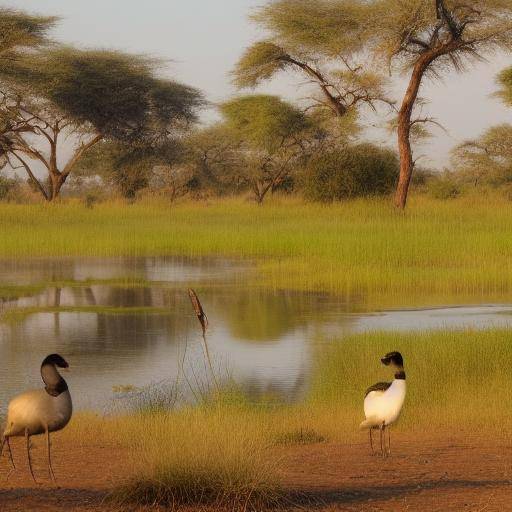
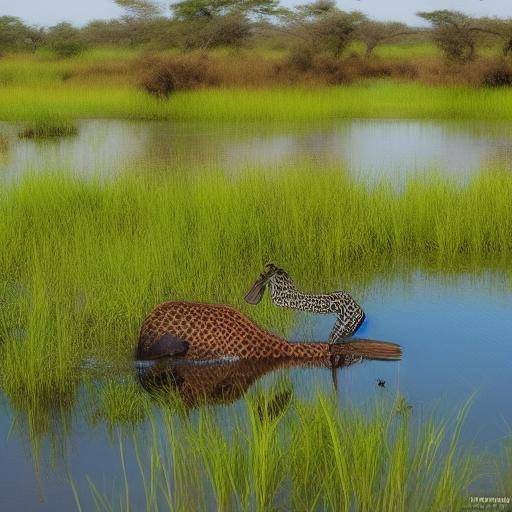
The Okavango delta, located in Botswana, is one of the most impressive destinations to experience the wild nature of Africa. A boat safari is a unique way to explore this fascinating ecosystem that hosts incredible wildlife diversity. In this article, we will explore in detail the experience of safaris in boat in the delta of Okavango, as well as the natural wonders that make this region a must-see destination for nature and adventure lovers.
Introduction
Imagine getting into an aquatic labyrinth surrounded by lush vegetation, colorful birds and majestic animals. That's exactly what a boat safari offers on the Okavango delta. This article will guide you through this exciting adventure, from the history and evolution of safaris by boat to the practical aspects, the incredible experiences you can expect and the challenges facing this unique ecosystem. If you dream of exploring natural beauty in its purest form, this article will give you a complete vision of what awaits you in this African paradise.
History and Background
The delta of Okavango has been inhabited by the local tribes for centuries, and its history is intertwined with the lives of the peoples who have coexisted with the abundant wildlife of the region. The concept of safaris by boat dates back to the time when European explorers began to discover and map the delta in the nineteenth century. Since then, the observation of wildlife from water has become one of the most exciting and popular experiences for visitors in the region.
Over the years, safaris in boats have evolved to incorporate sustainable technologies and best conservation practices. Advances in boat design, ethical tourism approaches and growing environmental awareness have influenced the way safaris are carried out in the Okavango Delta.
Analysis in Deep
Benefits and Challenges
The safaris on boat offer visitors the unique opportunity to approach wildlife in their natural environment, allowing for silent and undisturbed observation. However, this proximity also poses challenges in terms of preserving the integrity of the ecosystem and ensuring the safety of both animals and visitors.
Current trends
Nowadays, the safaris in the can of the Okavango are experiencing a boom in popularity, as more people seek authentic and environmentally friendly experiences. Tourist operators are adopting more sustainable and educational approaches, providing visitors with an enriching experience that goes beyond the mere observation of wildlife.
Comprehensive review
The experience of a boat safari in the delta of Okavango goes beyond the mere observation of animals. Explore the winding canals and hidden lagoons in a traditional Mokoro boat, used by generations of local inhabitants, is an intimate way to connect with nature and immerse yourself in the rich culture of the region. Naturalist guided tours offer a deep understanding of the delicate ecological balances that sustain the region.
Comparative analysis
Compared to terrestrial safaris, safaris in pot offer a completely different perspective from the natural world. While land safaris focus on animal observation on land, safaris on boat provide a unique vision of aquatic wildlife and birds that call home the Okavango delta wetlands.
Practical Tips and Accessible Advice
Preparation for the Safari##
Preparation for Safari in Bote
Before embarking on a boat safari on the Okavango delta, it is important to be well prepared. Be sure to pack comfortable and breathable clothes, insect repellent, sunscreen, and binoculars to enjoy the maximum of bird and wildlife observation. In addition, it is essential to follow the guidelines and to respect conservation standards to ensure a safe and respectful experience with the ecosystem.
Navigating the Channels
During the boat safari, keep your attention in the sounds, movements and signs of nature that surrounds you. The experience of glide quietly through the channels will allow you to witness wildlife in its purest state, without disturbing its surroundings. Respect the space of animals and make the most of every moment of sighting.
Perceptions of Industry and Expert Reviews
Impact of Sustainable Tourism
The safaris on the Okavango delta are an outstanding example of sustainable tourism, which supports the conservation of the nature and well-being of local communities. The integration of eco-conscious approaches into tourism practices ensures that future generations can enjoy the natural beauty of the Okavango delta.
Case Studies and Real Life Applications
Conservation and Sustainable Development
Several conservation and sustainable development projects have benefited from eco-tourism focused on safaris by boat. These initiatives have shown that tourism can be a positive force for wildlife protection and the promotion of sustainable livelihoods for local communities.
Future Trends and Predictions
Technological Developments in Ecotourism
Technological advances, such as the use of renewable energies on ships and the development of environmental monitoring systems, are expected to promote an even more sustainable approach to the safaris by boat. These innovations promise to improve operational efficiency and minimize environmental impact, paving the way for an even more promising future on the Okavango delta.
Conclusions
In short, exploring the delta of Okavango through safaris by boat is a unique experience that offers a deep dive in the wild nature of Africa. From its rich history and evolution to current and future trends, the safaris on the Okavango delta represent an incomparable opportunity to connect with the natural beauty and wildlife of the region.
FAQs
What is the best time of the year to perform a safari in boat at the Okavango delta?
The ideal time is during the dry season, from May to August, when the waters retreat and the concentration of wildlife around the water sources is higher.
How long does a typical safari take in the delta of Okavango?
Boat safaris vary in duration, but usually range from a few hours to full day excursions, with the option of overnight in remote camps.
Is it safe to do safaris in the can of the Okavango?
Yes, it is safe as long as the indications of expert guides are followed and conservation standards are respected. Respect for wildlife and the understanding of its habitat are fundamental to ensuring safety during safari.
Can large animals be spotted during a boat safari?
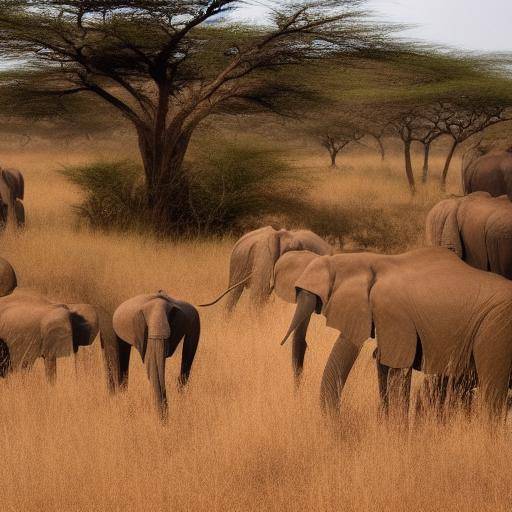
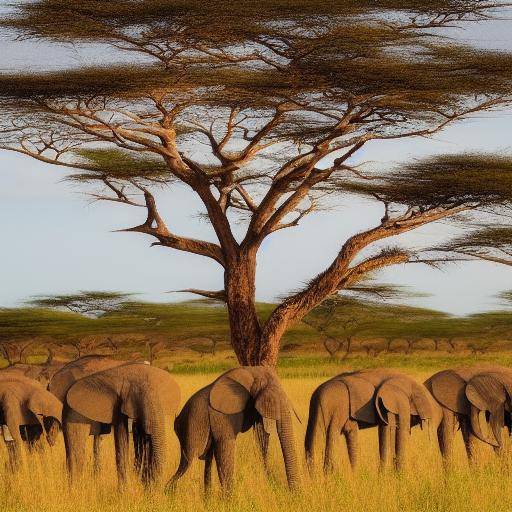
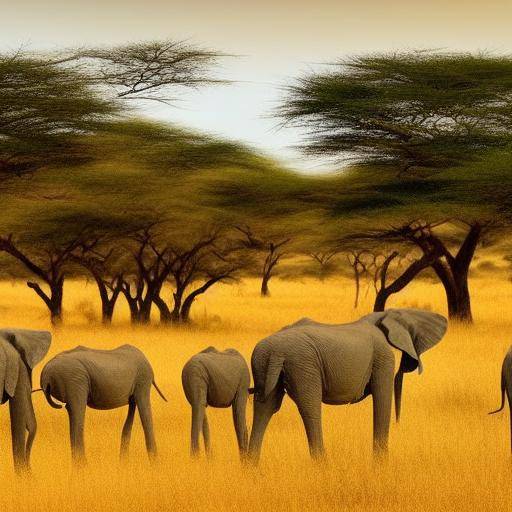
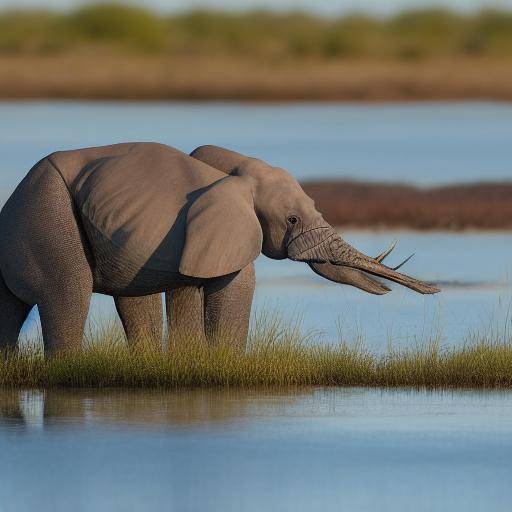
Yes, the elephants, hippos, crocodiles and a variety of bird and mammal species are commonly found during the safaris in the can of the Okavango.
What is the difference between a traditional mokoro and a motorboat for a safari in the Okavango delta?
The mokoro is a traditional handmade canoe that slides quietly over the shallow waters, while a motorboat offers a faster and more effective experience to travel longer distances on the can.
Do safaris on a boat offer opportunities to interact with local communities?
Yes, many boat trips on the Okavango delta include visits to local villages, which gives visitors the opportunity to learn about the daily lives of communities living with wildlife.
With this complete guide, you are now ready to immerse yourself in the wonderful adventure of a boat safari on the Okavango delta. Whether you're looking to watch the wildlife nearby, explore natural beauty or experience a unique cultural experience, this region offers you an unforgettable experience. Get ready to discover the magic of the Okavango delta from a completely new perspective!