Uzbekistan, a country located in Central Asia, has witnessed significant evolution in its modern culture, maintaining a balance between its rich traditions and the influence of the contemporary world. In this article, we will explore the history, modern culture and Asian context of Uzbekistan, disaggregating the challenges, benefits, current trends, and future projections. From the wealth of its historical heritage to the dynamic transformations in its modern practices, Uzbekistan is a fascinating country that deserves an expert and profound look.
Introduction
From the glowing Minaretes of Samarkand to the warmth of its hospitality, Uzbekistan is a cultural gem in the heart of Central Asia. His story is marked by a succession of empires and civilizations that have left a powerful imprint on his identity. Meanwhile, its modern life reflects a constantly changing country, adapting to global demands without losing its essence. Join us on this journey to discover the delicate balance between tradition and change in Uzbekistan.
History and Background
The legacy of Uzbekistan dates back to millennia of history, where silk routes weaved a unique cultural upholstery that lasts until today. From the greatness of emirs and conquerors to national awakening and independence, the history of Uzbekistan is an epic narrative of resilience and rediscovery.
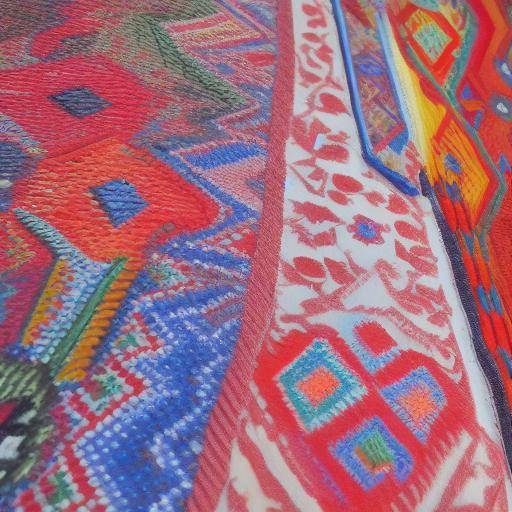
Deriving from the remarkable geographical perimeter, Uzbekistan hosted a succession of empires, from the Arab conquerors to the Russian Empire, forging a crucible of cultures and beliefs. The heritage of this influence is manifested in its exquisite crafts, majestic architecture and sensory cuisine. Moreover, the transition to the modern era marked a crucial point, where Uzbekistan sought to maintain its cultural identity while opening up to the world.
Detailed Analysis
Modern life in Uzbekistan faces a number of challenges and opportunities. One of the greatest challenges lies in preserving cultural wealth as it embraces innovation and progress. This duality is reflected in the rising economy, where old artisanal traditions coexist with the emerging technological industry.
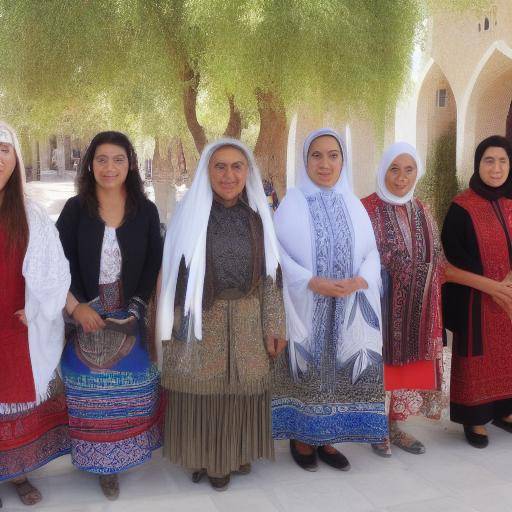
The empowerment of women and the momentum towards gender equality are also leaving a significant footprint in Uzbek society. As more women enter leadership positions and contribute to economic development, new perspectives and approaches for social progress are being generated.
Comprehensive review
Cultural practices in Uzbekistan are intertwined with the daily lives of its people, from festive celebrations to traditional arts that are transmitted from generation to generation. Music and dance, like the well-known "Lazgi", are live manifestations of the country's rich artistic heritage. Where tradition and modernity converge, a new form of expression emerges that defines contemporary Uzbek identity.
Comparative analysis
By comparing Uzbekistan with other countries in Asia, there is a complex image of tradition and modernity rooted in a rich history. Unlike its neighbours, Uzbekistan has maintained much of its ancestral heritage, adding depth and authenticity to its modern culture. This balance results in a unique experience that captivates travelers and scholars alike.
Practical Tips and Accessible Recommendations
For those who wish to immerse themselves in the essence of Uzbekistan, it is essential to respect local customs and participate in authentic cultural activities. From learning the ceramic technique to tasting the exotic flavors of Uzbek cuisine, each experience offers a unique perspective of modern life in this fascinating country.
Industry Reflections and Expert Reviews
Distinguished experts have expressed their deep admiration for the cultural resilience of Uzbekistan and have noted the crucial role it plays in the global landscape. Some highlight the importance of preserving historical heritage, while others praise the country's ability to adapt to the demands of the twenty-first century without losing its unique identity. These perspectives provide an integral insight into the challenges and opportunities facing Uzbekistan on the global stage.
Case Studies and Real Life Applications
The accounts of individuals who have experienced modern life in Uzbekistan offer an internal vision of how tradition and change coexist in harmony. From entrepreneurs who combine traditional commercial methods with innovative strategies to artists that merge the ancestral with the contemporary, these examples reveal the diversity and creativity that flow along the social and economic fabric of Uzbekistan.
Future Trends and Predictions
Uzbekistan ' s future develops with optimism and determination. With a renewed focus on cultural preservation and sustainable growth, significant innovations are expected in the artistic, technological and social spheres. The country is also positing as a top-level tourist destination, attracting visitors in search of authenticity and hospitality. These trends promise to open new opportunities and connections both at the national and global levels.
Conclusion
Ultimately, modern life in Uzbekistan is a dynamic synthesis of history, culture and change. The way this country has embraced modernity without giving up its past is truly inspiring. As Uzbekistan moves forward, its ability to maintain a delicate balance between tradition and change remains a model of admiration and learning for the world.
Frequently asked questions
What are some traditional Uzbek dishes that reflect the modern life of the country?
The plov, a dish of rice and slowly cooked meat, is a clear example of how gastronomic traditions are kept alive in current Uzbek society.
How has the role of women in modern Uzbekistan evolved?
The Uzbek woman, over the decades, has gained greater recognition and participation in fields such as politics, business and education, contributing significantly to the development of the country.
What are some emerging trends in the art and music of Uzbekistan?
Contemporary Uzbek art reflects a fusion of global influences with elements of local culture, while music experiences revitalization with the incorporation of traditional instruments into modern compositions.
How has globalization impacted on the daily lives of Uzbeks?
Globalization has led to an enrichment of everyday experiences, from the diversification of entertainment options to the integration of new technologies in the workplace.
What measures is Uzbekistan taking to preserve its cultural heritage in the modern era?
The country has implemented programmes for the conservation and promotion of its cultural heritage, as well as active participation in sustainable tourism to preserve its historical monuments and artisanal traditions.
What is the impact of Uzbekistan's modern approach on its global position?
The approach to preserving its unique identity while adapting to global dynamics has consolidated Uzbekistan as an attractive destination for both international investors and travellers in search of authenticity.
With each answer, we explore the various facets that define Uzbekistan as a crucible of tradition and modernity. Through these deep reflections and perspectives, it is clear that modern life in Uzbekistan is a fascinating cultural upholstery constantly evolving, worthy of being admired and celebrated.
This article has unveiled the wealth and complexity of modern life in Uzbekistan, which has preserved its essence while flourishing in the contemporary world. From its extraordinary history to the promising path to the future, Uzbekistan remains a living witness of human capacity to integrate innovation without giving up its deeper roots. This country, in the heart of Asia, is a powerful reminder that tradition and change can be harmonized to create a vibrant and meaningful identity.