Introduction
Tea, a millenary drink that has transcended borders and cultures, has a profound meaning in the Asia region. Tea routes not only represent a physical journey, but also a spiritual journey through the traditions, history and diversity of Asia. In this essential guide, we will explore the fascinating routes of Asian tea, plunging into its history, culture and natural wonders. From the highlands of China to the Darjeeling plantations in India, we will discover the secrets behind some of the most impressive tea routes on the Asian continent.
History and Background
Tea routes have their roots in ancient China, where tea was consumed as a medicinal and spiritual drink. It is believed that the first tea leaves were discovered by the legendary Emperor Shen Nong around 2737 BC. Since then, tea has played a crucial role in Asian culture and society, and its trade has led to some of the most important trade routes in history.
Origins and Evolution
Tea became an integral part of Chinese culture during the Tang dynasty (618-907 AD), and subsequently spread to Japan, Korea and other parts of Asia. Tea routes, known as the Tea Route and the Silk Road, became vital arteries for the exchange of products, knowledge and cultures among different civilizations. Over time, tea trade spread across the mountains and valleys of Asia, giving rise to various routes with spectacular landscapes and unique traditions.
Significant developments
During the Song dynasty (960-1279 AD), the cultivation and production of tea experienced significant advances, leading to a greater variety of types of tea and preparation methods. The introduction of "dust tea" during the Song dynasty gave rise to the famous matcha tea in Japan. Later, in India, the British developed the tea plantations of Darjeeling and Assam, marking a crucial milestone in the history of tea in Asia.
Anecdotes and Case Studies
A fascinating example of the importance of tea in history and diplomacy is the famous "Tea Ceremony" in Japan, a traditional practice that has remained immutable for centuries. In addition, the "Camino del Té" in China, with its ancient temples and mountain landscapes, is a tangible testimony of the influence of tea on Asian architecture and art.
Deep analysis
Tea routes have not only shaped the history and culture of Asia, but also play a crucial role in the economy and the environment. A detailed analysis allows us to better understand the current benefits, challenges and trends associated with tea routes in Asia.
Benefits and Challenges
Tea is not only a delicious drink, but it has also been shown to have numerous health benefits, such as the ability to increase concentration and promote relaxation. However, climate change and economic pressures have posed challenges for tea-producing regions, leading to greater awareness of the sustainability and ethical trade of tea.
Perspectives and Views
Several actors, from farmers to merchants and consumers, have unique perspectives on the routes of tea. Some advocate for environmentally friendly practices and fair trade, while others focus on innovation and the promotion of new varieties of tea. Listening and understanding these perspectives allows us to get a more comprehensive view of the challenges and opportunities facing the tea world in Asia.
Current trends
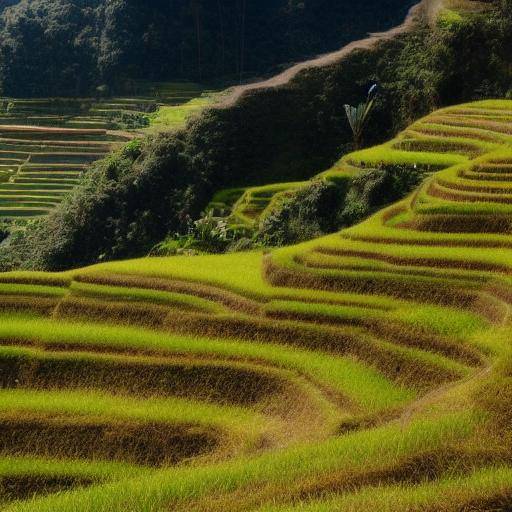
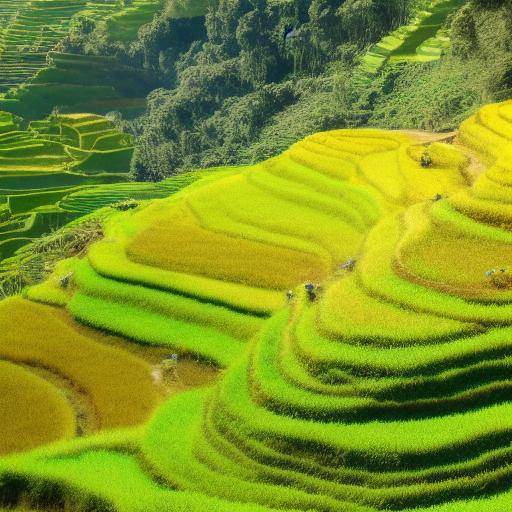
In recent years, tea tourism has experienced a boom, with travellers eager to explore Asian tea plantations and routes. This trend has led to the development of unique experiences, such as plantation tours, tea ceremonies and guided tastings, which offer visitors the opportunity to immerse themselves in the culture of tea and appreciate the breathtaking landscapes surrounding these regions.
Comprehensive review
The wealth and diversity of tea routes in Asia give rise to a wide range of applications and best practices that deserve to be explored in detail.
Applications and Best Practices
From tea cultivation and processing techniques to associated ceremonies and customs, tea routes offer many valuable lessons and practices. Through thorough analysis, we can identify the most effective strategies for sustainable production, the preservation of tea diversity, and the promotion of fair and ethical trade practices.
Opinions of Current Experts and Research
Expert views and ongoing research provide a deep insight into emerging trends and innovations in the tea world in Asia. From technological advances in production to environmental conservation initiatives, collaboration with experts allows us to better understand the current panorama and future prospects of tea routes.
Comparison of Methods and Approaches
The diversity of tea routes in Asia gives us the opportunity to compare different methods and approaches used in the production, marketing and consumption of tea. In carefully examining these differences, we can identify the strengths and weaknesses of each approach, as well as opportunities for synergies and collaboration between regions.
Comparative analysis
Compare and contrast the routes of tea, culture and the Asia region allow us to appreciate the similarities, differences and possible synergies that exist between these elements.
Similarities and Variances
Throughout the various tea routes in Asia, we find similarities in traditional practices, such as tea preparation and tasting, which reflect the shared influence of culture and history. However, we also observe marked differences in terms of tea varieties, production methods and rituals associated with tea, which reflect the rich diversity of the region.
Examples and Scenarios Detailed
In exploring these aspects in detail, we can present concrete examples that illustrate the similarities and differences between the routes of tea, culture and the Asia region. These examples allow us to offer readers an enriching and concrete view of the interrelationship between these elements.
Practical Tips and Accessible Recommendations
For those interested in exploring tea routes or plunging into tea culture in Asia, we offer practical advice and actionable recommendations to maximize the experience.
Practical Tips
- Research the different tea routes and choose those that align with your personal interests and preferences.
- See local experts or tour guides for recommendations on the best plantations and tea experiences in each region.
- Participate in authentic tea ceremonies to understand the cultural and spiritual importance of tea in Asia.
Accessible recommendations
- Learn about the different varieties of tea and its flavor profiles to expand your appreciation of tea.
- Support sustainable and ethical practices when buying tea, opting for brands that commit to the preservation of the environment and fair trade.
- Share your experience with others, either through blogs, social media or presentations, to foster greater appreciation for the tea and tea culture routes in Asia.
Industry ideas and expert opinions
Gathering industry ideas and expert opinions gives us a deep insight into emerging trends and future opportunities related to the routes of tea, culture and the Asia region.
Implications and Prognostics for the Future
The tea industry in Asia is at a turning point, with a greater focus on sustainability, innovation and the promotion of authentic experiences. The implications of these changes are significant, from the drive to organic production and ecosystem conservation to the creation of new sustainable tourism models. Future forecasts suggest an exciting and dynamic panorama, with a growing global interest in tea routes and the culture of tea in Asia.
Conclusions and FAQs
Conclusions
Asian tea routes are a cultural and natural treasure that offers a unique immersion in the rich heritage of tea. From their humble origins in China to the growing tea industries in Japan, India and beyond, these routes not only represent a physical journey through stunning landscapes, but also a spiritual journey that reveals the deep connection between tea, culture and the Asia region.
Frequently asked questions
What is the historical importance of tea routes in Asia?
Tea routes played a crucial role in the exchange of cultural goods, knowledge and influences among different civilizations in Asia, which contributed to the formation of regional and global identities.
How do tea routes contribute to the economy and tourism in Asia?
Tea plantations and tea-related experiences attract tourists and generate significant income for local communities. Moreover, tea trade represents a significant part of the economy in many regions of Asia.
What are the current trends in the tea industry in Asia?
Current trends include a growing focus on sustainability, the diversification of tea varieties and tea experiences, and the promotion of ethical and fair trade practices.
What is the impact of climate change on tea plantations in Asia?
Climate change has brought significant challenges for tea plantations, including changes in rainfall patterns, extreme temperatures and the spread of pests. This has led to a greater focus on adaptation and sustainability in the tea industry.
How can I participate in authentic experiences related to tea routes in Asia?
Travelers interested in exploring tea routes in Asia can participate in plantation tours, tea ceremonies guided by local experts and tea tastings for an immersive and enriching experience.
What are the future prospects of tea routes in Asia?
Future perspectives are promising, with a greater emphasis on sustainability, the promotion of tea diversity and the flourishing tourism of tea, which offer exciting opportunities for the preservation and flourishing of tea routes in Asia.
In short, Asian tea routes encapsulate centuries of history, rooted traditions and natural beauty, forming an invaluable network of cultural and commercial connections. By exploring these routes, travelers and tea lovers can discover an incomparable wealth that goes beyond the simple infusion of leaves.
This article is an essential guide for all those interested in getting into the world of Asia's tea, culture and wonders, and is designed to provide a deep understanding and enriching appreciation of Asia's most impressive tea routes.