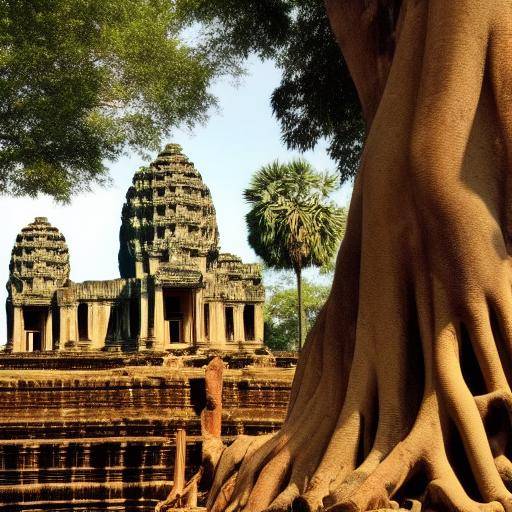
The Buddhist temples of Asia are considered sacred sites of deep beauty and spirituality. With its magnificent architectures, stunning sculptures and serene landscapes, these temples offer a window to the rich spiritual heritage and diverse culture of the region. In this article, we will explore the most impressive Buddhist temples in Asia, their spiritual meaning, their history and their impact on Asian culture.
Introduction
From Japan's fog-covered hills to Thailand's lush plains, Asia's Buddhist temples have attracted travelers, pilgrims and spiritual seekers for centuries. These majestic structures are silent witnesses of Asia's rich spiritual and cultural history, and each of them tells a unique story. Join us on this journey through the most impressive Buddhist temples in Asia, where we will explore its profound spiritual significance, its historical relevance and its impact on the rich and diverse Asian culture.
History and Background
Buddhist temples have their roots in ancient India, where they emerged as places of veneration and teaching of Buddha's teachings. Over time, Buddhism expanded throughout Asia, bringing with it its rich spiritual and cultural heritage. Over the centuries, different architectural styles and devotional practices were developed in the different regions of Asia, which gave rise to an amazing diversity of Buddhist temples.
Among the most emblematic Buddhist temples in Asia is the Temple of Buddha Dignity in Sri Lanka, which houses one of the most sacred relicaries of Buddhism, and the Temple of Heaven in China, a majestic complex of temples and gardens considered a World Heritage Site by UNESCO.
Analysis in Deep
Buddhist temples are not only places of worship; they also play a crucial role in preserving the history and culture of Asia. Many temples host impressive works of art, ancient manuscripts and sacred artifacts that offer a fascinating view of the history and traditions of Buddhism in Asia.
Furthermore, the influence of Buddhist temples extends beyond the spiritual and cultural sphere. Many temples attract a large influx of tourists, which contributes significantly to the local economy and to the promotion of sustainable tourism in the region.
Comprehensive review
In the context of Asian culture, Buddhist temples play a key role in shaping the cultural identity of the region. Its festivals, rituals and devotional practices are an integral part of the life of local communities, and reflect the deep connection between spirituality and daily life in Asia.
On the other hand, the influence of Buddhist temples in Asian culture has spread through the arts, literature, music and dance, enriching the cultural heritage of the region and exerting a significant influence on the development of Asian arts.
Comparative analysis
Comparatively, the diversity of architectural styles and spiritual practices among Buddhist temples in Asia reflects the rich cultural variety of the region. While some temples stand out for their impressive architecture, such as the Borobudur Temple in Indonesia, others are distinguished by their elaborate ceremonies and festivals, such as the Todai-ji Temple in Japan.
This diversity of spiritual and artistic expressions within Asian Buddhist temples offers a fascinating view of the complexity and beauty of Asian culture as a whole.
Practical Tips and Accessible Tips
If you are planning to visit the Buddhist temples of Asia, it is important to be prepared to show due respect and observe appropriate label and behavior standards. It is advisable to dress conservatively, show reverence towards sacred images and refrain from inappropriate behaviors during the visit to these sacred sites.
Industry Perspectives and Expert Reviews
Buddhist temples in Asia are experiencing renewed interest at both the national and international levels. Many experts in cultural tourism and historical heritage recognize the unique value and importance of preserving these sacred sites as part of the spiritual and cultural legacy of humanity.
In addition, Buddhist temples have a relevant role in intercultural dialogue and the promotion of peace and harmony in an increasingly globalized world. Their ability to attract visitors from all beliefs and origins is a testimony of their unifying power and their universal message of compassion and wisdom.
Case Studies and Real Life Applications
A notable example of the influence of Buddhist temples in everyday life is the impact they have on the local economy of the regions where they are located. Many temples generate employment and economic opportunities through local tourism and crafts, which contributes to the well-being of the surrounding communities.
In addition, Buddhist temples also play a crucial role in promoting Buddhism and spiritual education, offering curricula, retreats and personal development activities that attract spiritual seekers from around the world.
Future Trends and Predictions
In the future, Buddhist temples are expected to continue to play a key role in promoting cultural and spiritual tourism in Asia. With the growing awareness of the importance of the preservation of cultural heritage and spiritual diversity, these temples are expected to continue to attract visitors and devotees from around the world.
In addition, Buddhist temples are expected to play an increasingly important role in promoting interreligious dialogue and mutual understanding among different spiritual traditions, thus contributing to the construction of a more inclusive and tolerant world.
Conclusions
The most impressive Buddhist temples in Asia offer a fascinating window to the rich spiritual and cultural heritage of the region. Their architectural beauty, their spiritual significance and their impact on Asian culture make them invaluable treasures that deserve to be preserved and appreciated by future generations.
As we continue to explore and celebrate the spiritual and cultural diversity of Asia, it is important to remember the importance of respecting and preserving these sacred sites for generations to come.
Frequently asked questions
What is the largest Buddhist temple in Asia?
The Borobudur Temple in Indonesia is considered the largest Buddhist temple in the world and is famous for its spectacular stups and carved reliefs.
Why are Buddhist temples so important in Asian culture?
Buddhist temples are considered sacred places that offer a space for reflection, meditation and spiritual connection. In addition, they are cultural preservation centers and tourist attractions that contribute significantly to the local economy.
What is the oldest Buddhist temple in Asia?
It is believed that the Mahabodhi Temple in India is the oldest Buddhist temple in Asia, as it was built in the place where it is believed that Buddha attained enlightenment.
Why do Buddhist temples attract so many tourists?
Buddhist temples attract tourists for their architectural beauty, spiritual significance and valuable collections of art and relics. In addition, many visitors seek to experience the peace and serenity offered by these sacred sites.
What are some tips to visit a Buddhist temple?
When visiting a Buddhist temple, it is important to dress conservatively, show respect for sacred images, and follow the established rules of behavior. In addition, it is advisable to remain silent and refrain from disruptive or inappropriate behaviors.
What is the importance of Buddhist temples in promoting intercultural dialogue?
Buddhist temples play a vital role in promoting intercultural dialogue by serving as spaces for encounter, exchange and mutual understanding among people of different cultural and religious backgrounds. His message of compassion and wisdom transcends differences and promotes harmony among different communities.
How do Buddhist temples contribute to the local economy?
Buddhist temples contribute to the local economy by attracting tourists, which drives sectors such as hospitality, transportation, crafts and trade. In addition, many temples also offer employment opportunities to local residents and generate income through donations and tourism-related activities.
In short, Asian Buddhist temples represent an invaluable treasure of the region's spiritual and cultural heritage. Their architectural beauty, their spiritual meaning and their impact on Asian culture make them impermissible destinations for those who seek to explore Asia's rich spiritual and cultural diversity.