Introduction
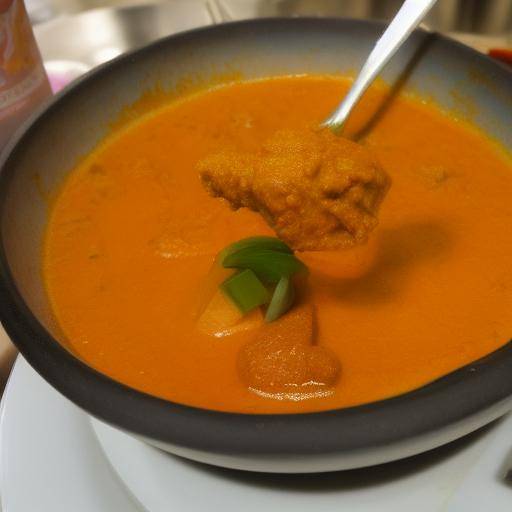
Is there anything more tempting than a fragrant and delicious curry dish? On this culinary journey, we will explore the best curry routes in Asia, a continent that breathes and exudes a wide range of exotic flavors. From the Thai curry with coconut milk to the spicy Indian curry, we will enter the fascinating world of this gastronomic delicacy, discovering its history, regional variations, and tips to taste the best in this journey. Prepare to tempt your senses with the culinary wonders that Asia has to offer.
History and Background
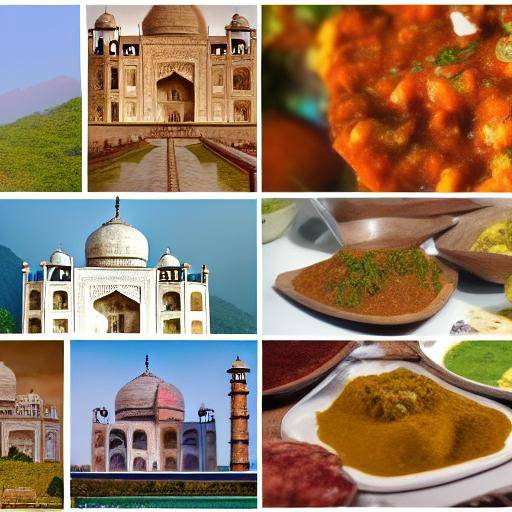
The curry, originally from Southeast Asia, has a millenary history dating back over 4000 years. It is believed that its origins are found in India, where spices mixed with unique flavors to create aromatic and delicious dishes. Over the centuries, curry has been transformed and adapted to the different cultures of Asia, becoming an integral part of the gastronomy of the region.
In 2000 BC, the use of spices in India was common in cooking and medicine. Over time, the practice of mixing different spices led to the creation of curry as we know it today. The curry expanded from India to Southeast Asia, led by traders and conquerors. This led to the diversification of curry recipes in different regions of Asia, each with its own distinctive features and flavors.
Detailed Analysis
Curry is not only a delight for the palate, but also offers a number of benefits. Several studies have shown that certain spices present in curry, such as turmeric, have anti-inflammatory and antioxidant properties. In addition, the use of various spices in curry not only improves the taste of dishes, but also contributes to the improvement of digestive health.
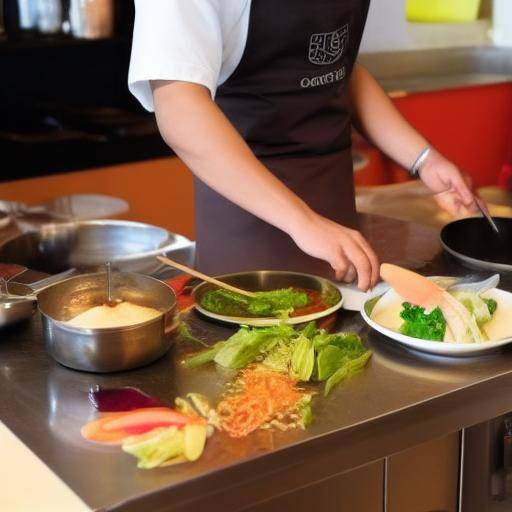
However, while curry offers many benefits, it also presents challenges. The highlight is the complexity of the spice mixture and its preparation, which can be difficult for those who are not familiar with Asian cuisine. The variety of ingredients and their precise preparation are critical elements to achieve an authentic and tasty curry.
Today, curry has experienced massive popularity globally. Restaurants specializing in Asian curry, both traditional and modern, have opened their doors in many parts of the world. The availability of fresh ingredients and multicultural influence have led to the creation of unique and creative variants of curry, adapted to local tastes.
Detail
Curry applications in Asian cuisine are diverse and delicious. From the Thai curries to the intense curries of southern India, each region offers a unique turn to this fragrant delight. Culinary experts suggest that the key to enjoying the best of curry lies in choosing the right mix of spices, precise cooking technique and harmonizing flavors to get an exceptional dish. A highlighting factor is the balance between spicy, sweet, bitter and acid, which distinguishes each curry and reflects Asia's cultural wealth.
The future of curry in Asian cuisine is becoming more and more promising. The use of local and sustainable ingredients, combined with modern preparation techniques, is redefining the curry landscape in Asia. As chefs explore new culinary borders, we can expect exciting experiences that merge tradition and modernity.
Comparative analysis
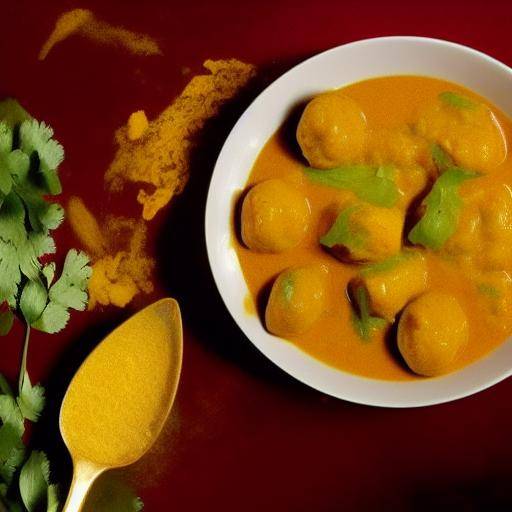
Curry in Asia is synchronized with regional gastronomy, reflecting the distinctive flavours, techniques and ingredients of each country. While the Thai curry has soft and creamy flavors thanks to the use of decoccal milk and fresh aromatic herbs, the Indian curry stands out for its intensity and robustness, derived from the combination of exotic spices such as nail, cinnamon and nutmeg. On the other hand, the Japanese curry, known as "kare", is characterized by its thick texture and its soft taste, perfectly balanced with vegetables and meat.
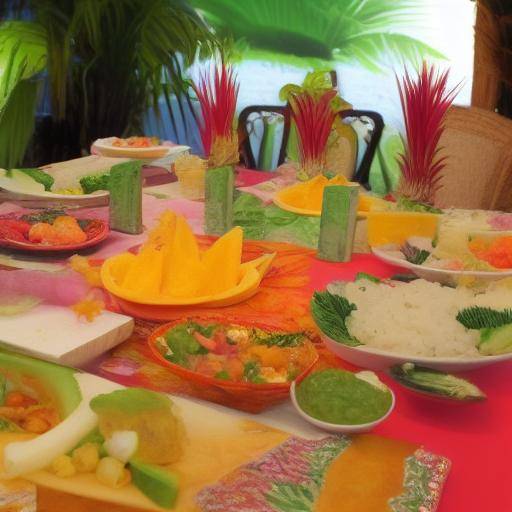
Despite regional differences, everyone shares the complexity and wealth of flavors that have made curry an iconic and appreciated dish throughout Asia. From India's spicy curries to the soft curries of Malaysia, the culinary diversity of the continent is reflected in the variety of curries that delight the diners around the world.
Practical Tips and Accessible Tips
By exploring the various curry routes in Asia, it is essential to choose the best places to savor this delight. When visiting Thailand, do not miss the opportunity to enjoy a real Thai curry in a local market or in a traditional restaurant. In India, immerse yourself in the experience of tasting a homemade curry prepared with fresh spices and centuries-old techniques. In Japan, try kare in a specialized restaurant to experience the unique fusion of flavors and textures.
Prepare to marvel at the variety of Asian curries, from aromatics to spicy, and discover the magic of this emblematic dish that has captivated generations.
Industry Perspectives and Expert Reviews
The culinary experts agree that curry will continue to be a fundamental pillar in Asian gastronomy, both in home cooking and in renowned restaurants. They also highlight the potential of curry to adapt to current culinary trends, such as the search for local and sustainable ingredients, the integration of modern cooking techniques and experimentation with new flavors and presentations.
The renowned chefs, like the renowned Thai chef David Thompson, come in the curry an opportunity to captivate the comenals with the diversity of flavors and the authenticity of the ingredients. In addition, professionals from the gastronomic industry point out that curry will continue to be an inexhaustible source of inspiration and creativity for chefs seeking to offer unique and memorable culinary experiences.
Case Studies and Applications in Real Life
An outstanding example of curry versatility is its fusion with contemporary cuisine. In Singapore, renowned chefs have incorporated curry into gourmet dishes, combining it with unexpected ingredients and innovative techniques to create unique gastronomic experiences. This creative approach demonstrates how curry, despite its traditional roots, continues to evolve along with modern culinary trends.
Another example is the use of curry as inspiration for cocktails, where expert mixologists have created surprising cocktails based on the complexity of curry flavors. These innovations show that curry transcends the barriers of conventional cuisine, offering unlimited possibilities for experimentation in contemporary gastronomy.
Future Trends and Predictions
As interest in authentic flavors and unique culinary experiences continues to grow, curry will continue to occupy a prominent place in the global gastronomic scene. The demand for Asian curries, both in their traditional form and in modern interpretations, is expected to continue to increase, bringing with it an appreciation of the culture and culinary diversity of Asia.
Conclusion and Frequently Asked Questions
Conclusion
In this journey through the best curry routes in Asia, we have explored the rich history, culinary diversity and future prospects of this emblematic gastronomic delight. From its humble roots in India to its expansion throughout Asia and the world, curry continues to inspire chefs, gastronomy enthusiasts and lovers of good food.
The magic of curry lies in its ability to gather a wide range of flavors, aromas and textures in a single dish, reflecting the rich cultural and culinary heritage of Asia. As curry continues to evolve and adapt to current culinary trends, we can expect to discover new variations, creative interpretations and exciting culinary experiences.
Prepare to embark on a culinary journey where each curry dish tells a unique and captivating story, inviting you to taste the wonderful diversity of Asia in each bite.
Frequently asked questions
1. What is the difference between Thai curry and Indian curry?
Thai curry tends to be softer and creamy, with the use of coconut milk and fresh aromatic herbs, while Indian curry is more intense and robust, with a mixture of exotic spices such as nail, cinnamon and nutmeg.
2. What kind of meat is most common in Asian curries?
Chicken and lamb are the most common meat choices in Asian curries, although seafood, pork and vegetarian options such as tofu and vegetables are also used.
3. What are the most common spices used in curry preparation?
Common spices include curcuum, cumin, cilantro, ginger, cinnamon, cardamom, clove, cayenne pepper and mustard seeds, among others.
4. How can I make an authentic homemade curry?
For an authentic homemade curry, it is advisable to use fresh ingredients, such as fresh seasonal spices and vegetables. Following a traditional recipe and respecting cooking times is essential to achieve an authentic taste.
5. What are the aspects to consider pairing a curry wine?
Due to the complexity of curry flavors, it is recommended to choose dried white, sparkling or pink wines with good acidity to balance the flavors of curry. Avoid heavy red wines, as they can opaque the flavors of the dish.
6. What is the country with the most spicy curry variation?
India is known for its extremely spicy curries, especially in the southern and eastern regions of the country, where the use of chilies and spicy spices is common in the preparation of curries.
With these answers to frequently asked questions, we hope that you will feel more informed about the wonderful world of curry in Asia, and that you encourage yourself to explore the diversity and gastronomic wealth of the continent through this exquisite culinary creation. Good profit!