Introduction
Imagine embarking on a journey that takes you to explore the ancient trade routes that connect to ancient civilizations, discovering historic treasures, stunning landscapes and fascinating cultures. In this article, you will be immersed in the exciting "historical rules" of Asia, where every step is an adventure that transports you over time. You will discover how these routes have shaped the history, trade and culture of Asia, offering us a unique window to understand the past and enjoy exciting experiences in the present.
History and Background
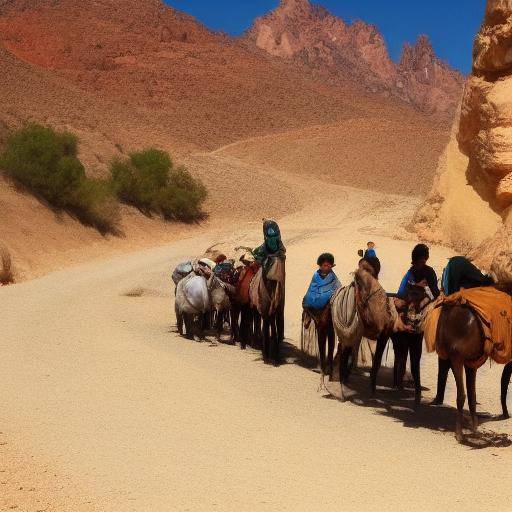
The historical routes of Asia have their origins in ancient times, when caravans of merchants and travellers traveled along extensive paths connecting the East to the West. From the legendary Silk Road to the ancient Indian Maritime Route, these commercial and cultural exchange paths have played a crucial role in the evolution of Asian civilizations.
The Silk Road
Connecting China to the Mediterranean, the legendary Silk Road was the epicenter of trade between the East and the West for centuries. This former trade corridor facilitated the exchange of silk, spices, paper, porcelain and knowledge between Asia, Africa and Europe, shaping world history and economy.
The Indian Maritime Route
For its part, the Indian Maritime Route was vital for trade between Asia, Africa and the Middle East, connecting ports such as Calicut, Malaca and Zanzibar. This route not only carried valuable goods, but also ideas, religions and cultures, leaving a lasting legacy on the coasts and ports of the countries it touched.
Over the course of the centuries, these historical routes witnessed the eminent influence of travelers, explorers and merchants who expanded knowledge, technology, arts and languages throughout the Asian continent.
Analysis of Deepness
By exploring these historical routes, we are faced with an amalgam of adventures, discoveries and challenges. From the fascination of discovering ancient ruins and monuments to interaction with local communities, each step reveals a unique and enriching story.
Beyond the tourist attraction, historical routes offer opportunities to understand the interconnection of civilizations, the evolution of trade practices and the cultural exchange that shaped the identity of Asia. This analysis reveals the importance of preserving and promoting these historic treasures for future generations.
Comprehensive review
In considering the current relevance of these routes, it is clear that historical and adventure tourism in Asia has experienced significant growth in recent years. Travelers look for authentic experiences that allow them to immerse themselves in the rich history and culture of the region, generating a positive impact on local economies and promoting the preservation of historical heritage.
In addition, increasing accessibility to these routes through modern infrastructures and tourist services has expanded opportunities for travelers of all ages and backgrounds. This detailed analysis highlights the importance of a sustainable and responsible approach to tourism development in these historical regions.
Comparative analysis
By comparing these historical routes with the concepts of adventure and discovery, an intrinsic connection emerges that highlights the very essence of the journey. The adventure lies in the exploration of unknown territories, the interaction with diverse cultures and the overcoming of challenges, aspects that are inherent in the historical routes of Asia.
The fusion of adventure and discovery on these routes offers travelers the opportunity to experience unique experiences, such as traveling ancient mountain roads, exploring ancient temples and immerse themselves in the cotidianity of local communities, providing an alternative approach to conventional tourism and generating a significant impact on the lives of those who participate in these journeys.
Practical Tips and Useful Recommendations
If you are considering exploring the historic routes of Asia, here are some practical tips that will help you get the most out of this adventure:
- Previously research on the routes you are interested in and plan your itinerary with flexibility to enjoy every moment.
- Get ready physically for hikes and outdoor activities, and make sure you take everything you need for a safe and pleasant journey.
- Interact with locals and immerse yourself in their traditions and lifestyles, as this will enrich your experience and allow you to better understand local culture.
- It respects the natural environment and historical heritage, contributing to its conservation and sustainability.
Industry Perspectives and Expert Reviews
Experts on tourism and heritage conservation agree that Asian historical routes are invaluable assets that can promote sustainable development, cultural preservation and enrichment of the tourism industry. In addition, they emphasize the importance of taking responsible and respectful practices to ensure that these routes are for future generations.
Case studies and practical applications
Through case studies, you can appreciate the diversity of experiences and opportunities offered by the historical routes of Asia. From community tourism projects that benefit local populations to conservation and restoration of historical sites, these examples illustrate the positive impact that these routes can have on the communities and on the tourist landscape of the region.
Future Trends and Predictions
As the interest in historical and adventure tourism continues to increase, it is expected that the historical routes of Asia will continue to attract avid travelers to discover new cultures, stunning landscapes and historical monuments. This continuing growth represents an opportunity to promote economic development and heritage conservation, provided that the challenges related to sustainable management and the preservation of these historic treasures are effectively addressed.
Conclusion
In conclusion, the historic routes of Asia offer a fascinating combination of adventure, discovery and cultural enrichment. Through the exploration of these routes, travelers have the opportunity to connect with the past, experience the diversity of Asia and contribute to the sustainable development of the regions they visit. With the commitment to preserve and promote these historic treasures, the historic routes of Asia will continue to be an inexhaustible source of inspiration and enrichment for generations to come.
Frequently asked questions
What are some of the major historical routes in Asia worth exploring?
Some of the most outstanding historical routes in Asia include the Silk Road, the Indian Maritime Route, the Tea Route and the Incense Route, among others. Each offers unique experiences and a fascinating vision of the history and culture of the region.
What are the important considerations in planning a trip through the historic routes of Asia?
It is crucial to investigate local regulations, tourist infrastructure, security and the appropriate season to visit certain areas. In addition, it is advisable to have an experienced guide that can provide a specialized perspective on historical sites and local communities.
How can we contribute to the preservation and sustainability of Asian historical routes?
Support responsible tourism initiatives, engage in community tourism programmes, respect local regulations, and raise awareness of the conservation of historical heritage through respectful and sustainable practices are effective ways of contributing to the preservation and sustainability of Asian historical routes.
What are some less known but equally fascinating destinations on Asia's historic routes?
Destinations such as Uzbekistan, Laos, and Cambodia offer a wealth of history and culture along the old shopping routes, with impressive monuments, deep-rooted traditions and an exceptional hospitality that encircles travelers in search of authentic experiences.
What kind of adventures can be experienced on the historic routes of Asia?
From camel expeditions in the sands of the Gobi Desert to trekking in the mountains of Nepal, archaeological treasure hunts in the ruins of Angkor Wat, and dives into the crystal clear waters of the islands of Southeast Asia, the historical routes of Asia offer a variety of adventures for all types of travelers.
What is the best time of the year to explore the historic routes of Asia?
The choice of the best season to explore the historic routes of Asia depends on factors such as climate, influx of tourists and local events. It is advisable to investigate carefully to select the most favorable time according to your preferences and travel plans.
How does tourism on the historical routes of Asia contribute to the development of local communities?
Tourism on historical routes in Asia generates employment opportunities, promotes the diffusion of local culture, and promotes the development of infrastructures and tourism services, directly benefiting local communities and contributing to their well-being and economic development.
External Links
For more information about the historical routes of Asia, we recommend visiting the following links:
- Unesco - Silk Roads: Chang'an-Tian-shan Road Network
- National Geographic - Indian Maritime Routes
- Asia Society - The influence of trade routes in the history of Asia
We hope that these additional resources will give you a more comprehensive and enriching view of the exciting historical routes of Asia!
With this complete guide, readers will be able to explore the fascinating historical routes of Asia, immerse themselves in unforgettable adventures and discover the amazing cultural legacy that these ancient commercial paths have left over the centuries.