The Vesuvius, an iconic volcano that has left an imprint in history, is known for its devastating eruption that buried the ancient cities of Pompeya and Herculano in 79 AD. This event not only marked the end of two prosperous communities, but also left a legacy of mystery, tragedy and learning for future generations. In this article, we will explore in detail the history of Vesuvius, its shocking eruption and the relevance it continues to have today. From its origin to future predictions, we will immerse ourselves in a journey through time and science to understand how this event changed history forever.
Introduction
The eruption of Vesuvius is an event that has transcended the times and left an indelible mark in history. From its devastating impact to its relevance in the study of volcanoes, this event has aroused curiosity and wonder around the world. Throughout this article, we will explore the fascinating history behind Vesuvius, its catastrophic eruption and the lessons it has left for humanity.
History and Background
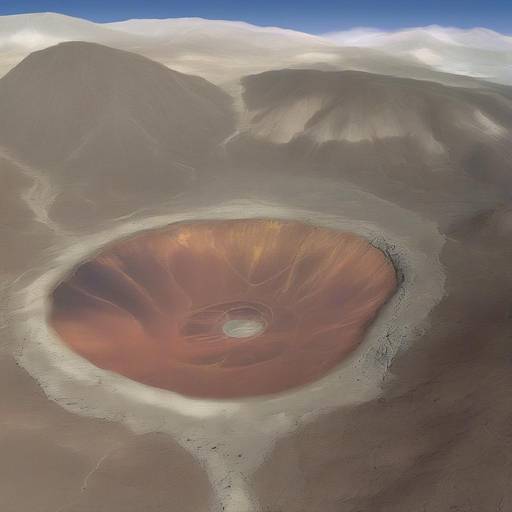
The history of Vesuvius dates back thousands of years, with evidence of volcanic activity that extends to the prehistoric era. Its location in the region of Campania, Italy, makes it a focal point for geological and archaeological research. The first civilizations that inhabited their closeness witnessed their uncommon strength, and over the centuries, Vesuvius has left an imprint in the history of humanity.
Impact and Legacy
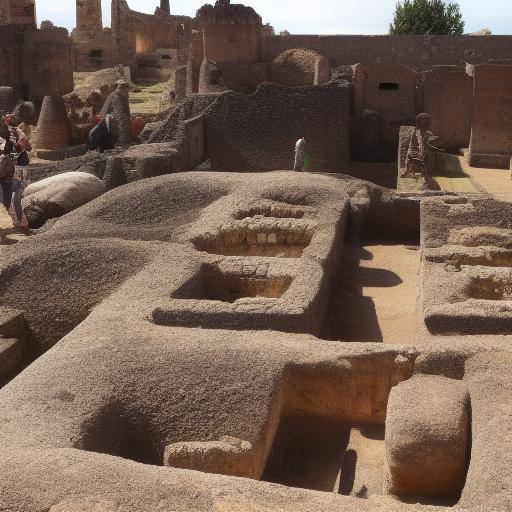
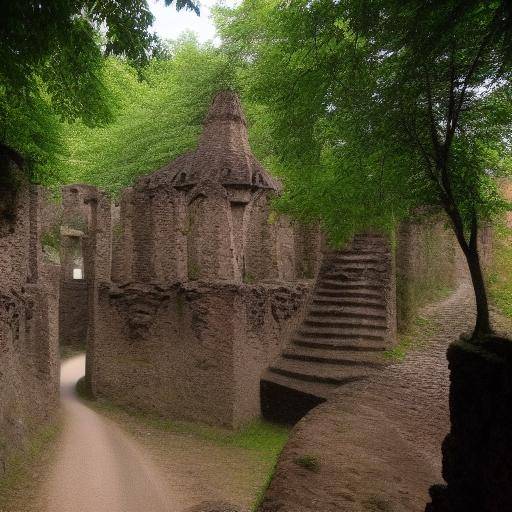
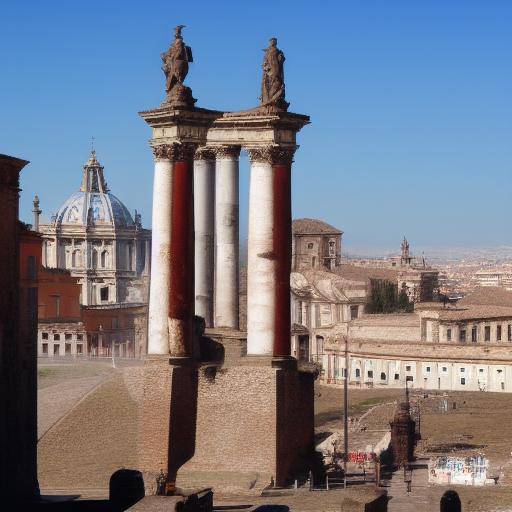
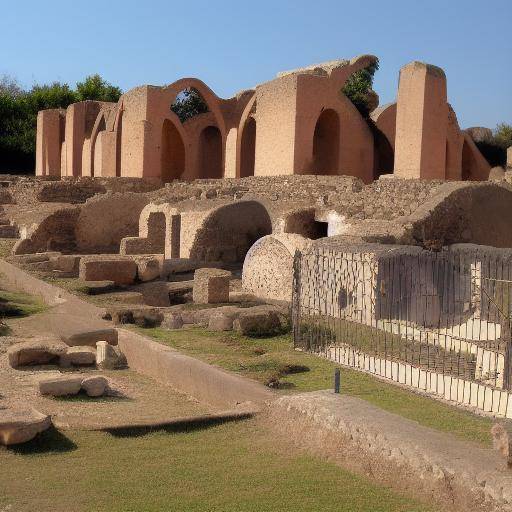
The eruption of the year 79 A.D. had a devastating impact on the cities of Pompeii and Herculaneum, burying them under tons of ashes and lava. This cataclysm instantly froze the daily lives of the inhabitants, preserving an instant attire of antiquity for modern generations. The archaeological legacy he left behind has been the subject of study and wonder, revealing invaluable insights into the way of life in ancient times and the effects of volcanic eruptions in society.
Research and Discoveries
The history of Vesuvius is not limited to its most famous eruption. Over the centuries, scientists have studied their volcanic activity in order to understand their patterns and predict future eruptions. This ongoing review has provided fundamental knowledge about the formation of volcanoes and pre-eruption indications, offering the possibility of saving lives and preserving communities at risk.
Current Challenges and Opportunities
Despite progress in understanding Vesuvius and its volcanic activity, challenges remain in managing its destructive potential. The area around the volcano is densely populated, which poses significant challenges in terms of natural disaster preparedness. However, this scenario has also generated opportunities to develop effective early warning systems and evacuation strategies, highlighting the importance of ongoing research in this area.
Conclusions and FAQs
In short, the history of Vesuvius and its eruption transcends time, offering crucial lessons on nature, culture and human survival. As science advances, further research and preparation is essential to mitigate the impact of future volcanic eruptions. We hope that this article has provided a comprehensive and enriching vision of Vesuvius, its history and its relevance in the present world.
FAQs
**1. When did the Vesuvius eruption happen?**The catastrophic eruption of the Vesuvius took place in 79 AD, burying the cities of Pompeya and Herculaneum under ashes and lava.
**2. What impact did Vesuvius eruption have on history?**The eruption of Vesuvius had a devastating impact on history, uniquely preserving the daily life of antiquity and providing valuable archaeological insights about that period.
**3. What are the current challenges related to Vesuvius?**Currently, the main challenge lies in managing its destructive potential in a densely populated area, underlining the importance of preparedness for natural disasters and continuing research.
**4. What is the importance of studying the volcanic activity of Vesuvius?**The study of Vesuvius' volcanic activity is crucial to understanding and foreseeing future eruptions, which in turn contributes to the safety and preservation of human life.
**5. What types of archaeological discoveries have been made in the cities buried by Vesuvius?**Numerous well-preserved archaeological artifacts and structures have been discovered, providing valuable information on everyday life, architecture and ancient culture.
**6. What are some prevention measures in the face of a possible eruption of Vesuvius?**Prevention measures include the implementation of early warning systems, evacuation plans and continuing education on natural disaster preparedness.
With these questions and answers, we hope to have provided a deep and complete understanding of Vesuvius, his history and his area of study. This emblematic volcano continues to challenge and fascinate humanity, reminding us of the importance of scientific research, preparedness for natural disasters and the preservation of the historical legacy for generations to come.
Concluding, the eruption of Vesuvius has transcended time, leaving a legacy that endures and continues to impact the way we understand our history, nature and science. This event has served as a reminder of human resilience and the importance of keeping alive the memory of past tragedies to build a safer and more prepared future.