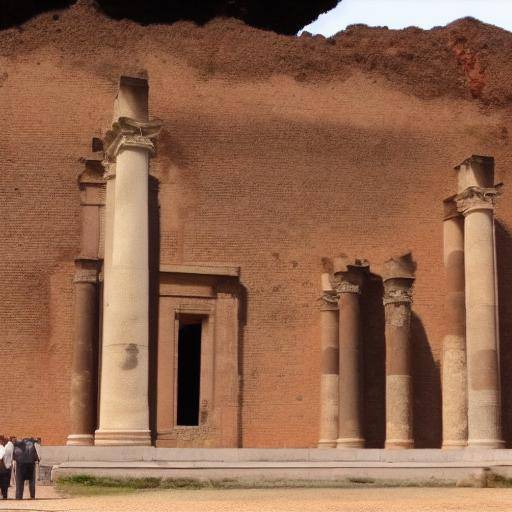
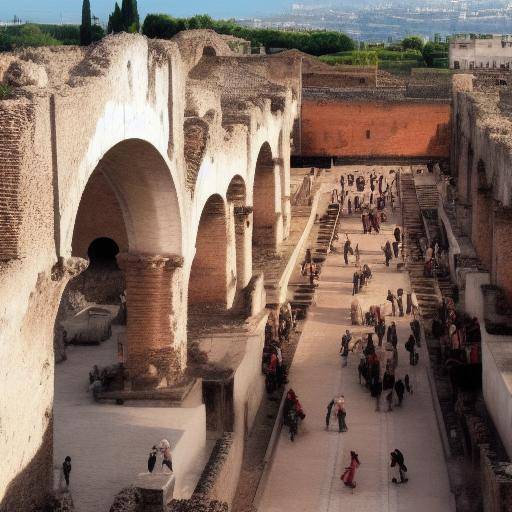
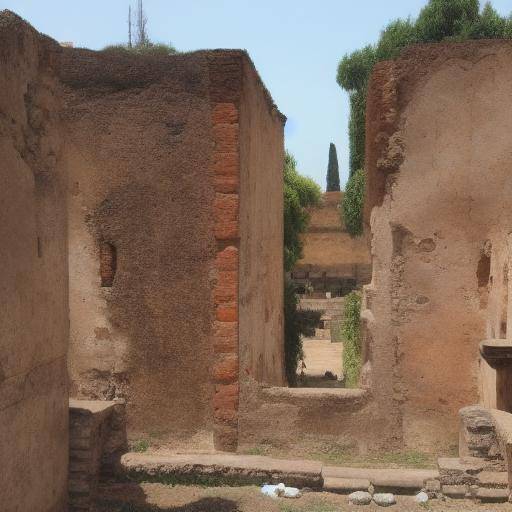
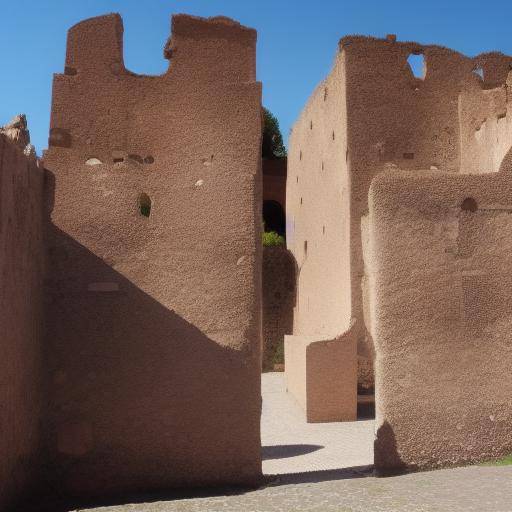
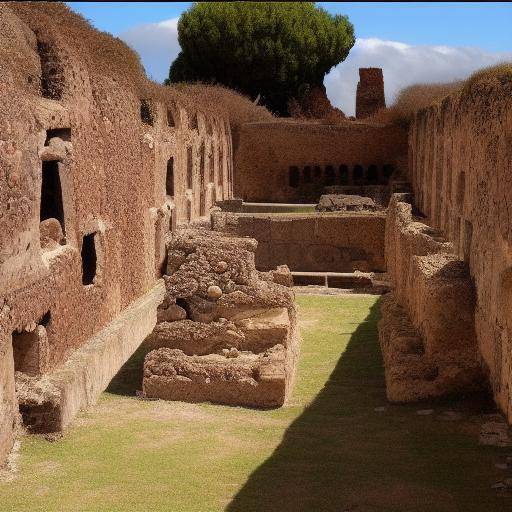
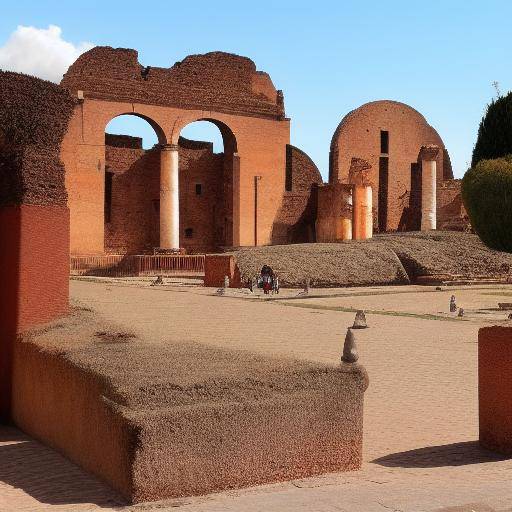
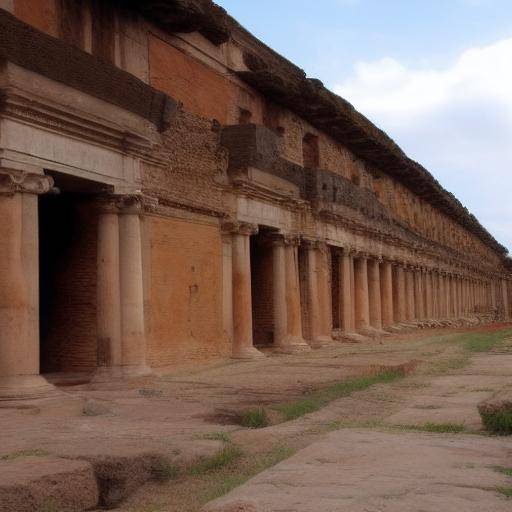
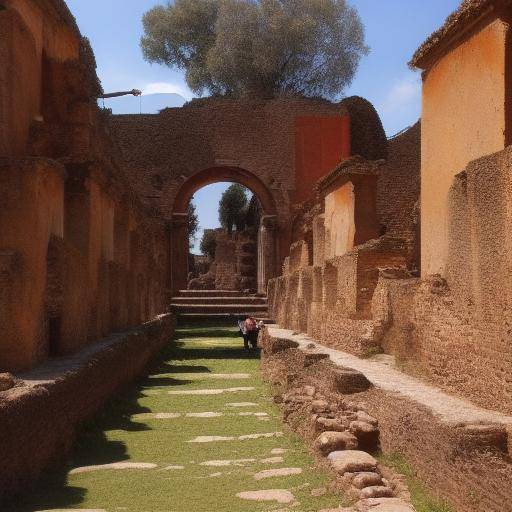
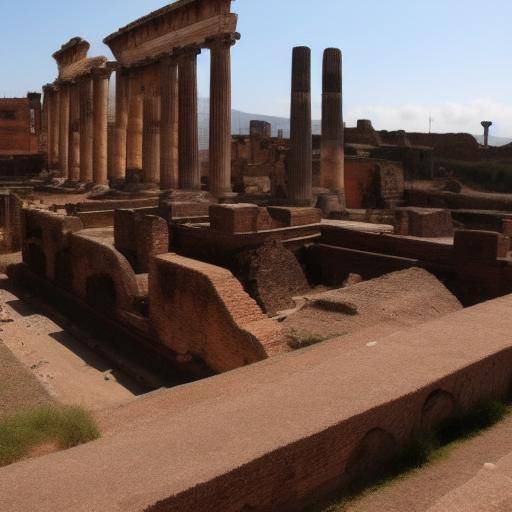
The ruins of Pompeii, a Roman city buried by the Vesuvius eruption in 79 AD, reveal the tragedy and greatness of a historic event that has fascinated generations. This natural catastrophe, though devastating, has given posterity a window to the daily life of the Roman Empire, making Pompeii an archaeological treasure of invaluable value. In this article, we will explore in detail the causes, consequences and historical significance of the Vesuvius eruption, offering a profound view of this tragedy that marked a milestone in history.
Introduction
The eruption of Vesuvius was a turning point in the history of Pompeii and its inhabitants. From its establishment as a prehistoric settlement to its boom as a thriving Roman city, Pompeya hosted a rich network of life, commerce and culture that was frozen in time by the fury of Vesuvius. In this section, we will enter in the moments before the eruption, highlighting the signs that passed unnoticed and led to the tragedy that marked Pompeii forever.
History and Background
Pompeii, whose history dates back centuries before its destruction, was a strategic enclave in the Campania region, south of Italy. Its commercial and cultural importance made it an important centre of ancient Rome. We will explore its development from its origins to its eventual disappearance, detailing the most relevant milestones, such as urban expansion, the influence of Greek culture and trade relations with other cities of the empire.
The shadow of the Vesuvius witnessed the cotidianity and splendor of Pompeii, but also the constant latent danger it represented. Through archaeological data and historical accounts, we can understand the context in which the rotten city was surprised by the eruption that sealed its destiny.
Detailed Analysis
We will explore in depth the most relevant aspects of the Vesuvius eruption, from the natural phenomena that triggered it to the human impact and the consequent devastation. In addition, we will address the scope of the tragedy, highlighting how the buried remains have allowed archaeologists and experts to rebuild the daily life and culture of Pompeya in their days of splendor.
Through recent studies and research, we will analyze the lessons learned from the tragedy of Pompeya, as well as its influence on fields such as geology, urban planning and the prevention of natural disasters.
Comprehensive review
In this section, we will delve into the historical and cultural implications of the Vesuvius eruption, offering a detailed analysis of how this event has left an indelible mark on history, art and collective imagination. In addition, we will explore the contemporary impact of Pompeya, its relevance in cultural tourism and its role as the heritage of humanity.
In addition, we will address the legacy of Pompeii in collective consciousness, examining its influence on literature, cinema and other artistic manifestations over the centuries.
Comparative analysis
In this section, we will compare and contrast Pompeya, Vesuvius and its impact on history, highlighting the similarities and differences between these key elements. We will explore how each of them has influenced the other, as well as its relevance in various historical and cultural contexts.
We will also address the lessons we can draw from this tragedy in the context of the prevention of natural disasters and the preservation of cultural heritage.
Practical Tips and Accessible Orientation
We will provide practical recommendations for those interested in exploring Pompeii and Vesuvius, including travel tips, aspects to take into account when visiting the area, and suggestions on how to make the most of the cultural and historical experience.
Industry Perspectives and Expert Reviews
We will gather and present the opinions of experts in archaeology, history and geology on the impact of the Vesuvius eruption in Pompeii. We will analyze the implications of archaeological research, heritage conservation and historical education, offering an integral view of the importance of these areas of knowledge.
Case Studies and Real Life Applications
We will address specific cases of how the tragedy of Pompeya has been studied in different fields, from historical reconstruction to natural risk management. We will present concrete examples of how the discoveries and lessons learned from Pompeii have been applied in contemporary decision-making.
Future Trends and Predictions
We will conclude the article by exploring future trends related to Pompeii, Vesuvius and its historical significance. Using current data and expert opinions, we will outline possible scenarios and challenges, as well as emerging opportunities linked to these fundamental elements of history.
Conclusion
In conclusion, we will recapitulate the key points of our analysis, reinforcing the importance of understanding and preserving the history of Pompeya and its connection with Vesuvius. We will highlight the continuing relevance of this topic and encourage readers to deepen their knowledge of this tragic and significant part of history.
Frequently asked questions
1. What were the causes of the Vesuvius eruption?
The eruption of Vesuvius was caused by the accumulation of pressure inside the volcano, generating a catastrophic explosion that buried Pompeya and other nearby towns under tons of ash and lava.
2. How was Pompeii discovered?
Pompeii was rediscovered in the 18th century, after being buried for centuries, thanks to archaeological excavations that revealed the magnitude of the tragedy caused by the eruption of Vesuvius.
3. What is the importance of Pompeii in the history of ancient Rome?
Pompeii was an important shopping and cultural centre in ancient Rome, making it a fundamental piece to understand the daily life, architecture and customs of the time.
4. What are the current risks associated with Vesuvius?
Vesuvius remains an active volcano and poses a potential risk to populations living in its vicinity, making it necessary to have risk management and disaster prevention plans.
5. How long was Pompeii buried under the volcanic ashes?
Pompeii remained buried for approximately 1,500 years, conserving in an impressive way the life and architecture of the time.
6. Are there contemporary lessons we can draw from the tragedy of Pompeii?
The tragedy of Pompeya has left us important lessons on natural risk management, the preservation of historical heritage and human resilience to disasters.
With these answers, we aspire to offer an integral vision of Pompeii's history and its tragic link to the Vesuvius eruption. Through this article, we hope to have provided an enriching and detailed perspective on an event that has left an imprint on history and collective consciousness.