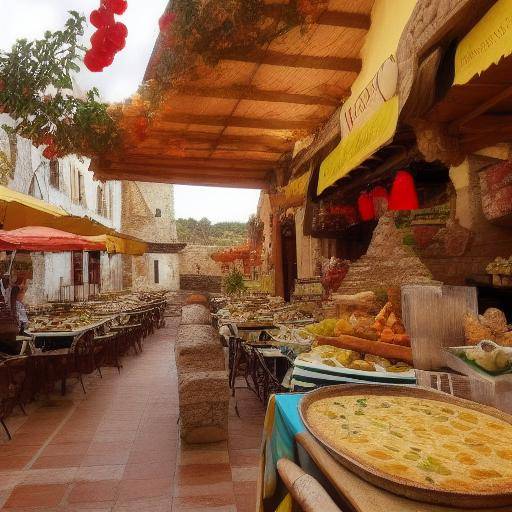
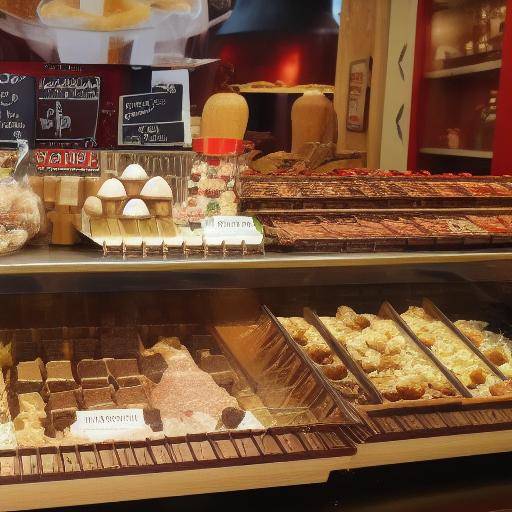
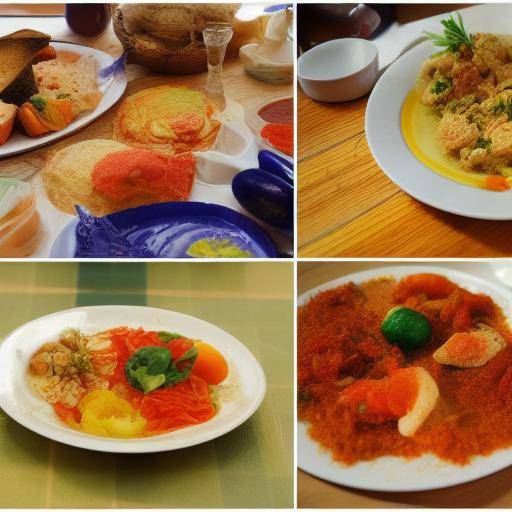
The Greek islands, known for their impressive beauty and cultural diversity, are also famous for their exquisite gastronomy. Each island offers a unique range of traditional flavours and dishes that reflect the culinary heritage of the country. In this article, we will take a look at the rich cuisine of the Greek islands, exploring its distinctive flavors, local ingredients and rooted culinary traditions. From the history and evolution of gastronomy to emblematic dishes and current trends, immerse yourself in this culinary journey that reveals the magic of Greek cuisine.
Introduction
The Greek Islands, a destination dreamed by many, are not only a paradise for sun and sea lovers, but also for those passionate about good food. Each island has something special to contribute to the Greek table, from fresh fish and seafood to olive oil, aromatic herbs and handmade cheeses. Prepare to discover the culinary secrets that make the cuisine of the Greek islands so exceptional!
History and Background
The rich culinary history of the Greek islands dates back thousands of years, influenced by the Greek, Roman, Byzantine, and Ottoman cultures. The indigenous ingredients such as olive oil, olives, wine, wild herbs, and wheat have been the basis of the Mediterranean diet, which is widely recognized for its health benefits.
For centuries, the Greek islands have been a crucible of cultures and civilizations, which is reflected in their cuisine. The influence of Turkish, Italian and Middle East cuisine has left its mark on traditional island dishes. The introduction of new ingredients and culinary techniques, combined with the creativity of local inhabitants, has led to a diversity of unique flavors and dishes.
Commercial meetings, foreign invasions and local traditions have contributed to the evolution of the gastronomy of the Greek islands. From antiquity to present, food has played a central role in the social and cultural life of the islands, transcending its basic function of nutrition to become an expression of identity and coexistence.
Deep analysis
The gastronomy of the Greek islands is not only recognized for its exquisite taste, but also for its health benefits. The Mediterranean diet, which is at the heart of Greek cuisine, has been acclaimed for its positive effects on cardiovascular health, longevity and prevention of chronic diseases.
The generous use of olive oil, fresh vegetables, fish, legumes, fruits and aromatic herbs not only brings a rich and delicious flavor to the dishes, but also provides a wide range of essential nutrients. These ingredients, combined with simple and healthy cooking techniques, result in a balanced and tasty diet that has resisted the time test.
Greek cuisine has faced challenges in the modern era, especially with globalization and food industrialization. However, efforts to preserve and promote local ingredients, sustainable agriculture and the value of culinary traditions have helped to preserve the authenticity and quality of the cuisine of the Greek islands.
Comprehensive review
Exploring the gastronomy of the Greek islands not only allows us to appreciate the diversity of flavors and recipes, but also to understand the importance of sustainability and the connection with the land. Traditional farming methods, artisanal fishing and the development of local products play a key role in preserving the culinary identity of the islands.
In addition, the gastronomy of the Greek islands offers a unique vision of how food can be a tool to unite communities, preserve culture and promote a healthy lifestyle. As tourism in the Greek islands continues to grow, local gastronomy has become a central element of the experience, giving visitors the opportunity to explore and enjoy the authentic flavors and culinary traditions rooted in the history of each island.
Comparative analysis
Compare the gastronomy of the different Greek islands reveals the diversity and uniqueness of each region. While some islands stand out for their fish and seafood dishes, others are known for their specialities based on lamb, cheese and agricultural products. However, everyone shares love for fresh ingredients and passion for good food, creating a surprisingly varied culinary panorama.
The influence of geography, climate and local traditions is reflected in the cuisine of the islands, offering a wide range of flavors, textures and aromas that delight the senses. Whether enjoying a gyros in Santorini, a dish of grilled octopus in Crete or a Greek salad in Mykonos, each bite reveals the unique essence of the island from which it comes.
Practical Tips and Recommendations
If you have the opportunity to visit the Greek islands, do not miss the opportunity to explore local cuisine in traditional markets, taverns and restaurants. Dive into the experience of trying authentic dishes prepared with fresh ingredients and authentic flavors, and do not hesitate to chat with locals to discover their recommendations and culinary secrets.
When you return home, you can try to recreate some of your favorite dishes using the local ingredients available in your region. Experience with aromatic herbs, quality olive oil and handmade cheeses to capture the essence of the cuisine of the Greek islands in your own kitchen.
Industry Visions and Expert Reviews
Gastronomy experts recognize the importance of the cuisine of the Greek islands as a culinary treasure that deserves to be preserved and promoted. The authenticity of the flavors, the diversity of ingredients and the connection with the land make the cuisine of the Greek Islands a jewel of the Mediterranean cuisine. At the same time, the efforts of local chefs and producers are highlighted to innovate and revitalize culinary traditions, adapting them to contemporary demands without compromising their essence.
Case Studies and Real Life Applications
The gastronomy of the Greek islands exemplifies the way food can serve as a bridge between history and the present, between ancient traditions and modern tendencies. The establishments that have managed to combine culinary authenticity with a contemporary gastronomic experience have gained recognition both locally and internationally, attracting visitors and lovers of good food in search of a true gastronomic experience.
Future Trends and Predictions
As the interest in Mediterranean cuisine and traditional food continues to grow worldwide, the cuisine of the Greek islands is expected to gain even more attention and appreciation. The value of local ingredients, the focus on sustainability and the promotion of culinary authenticity are trends that are expected to continue to mark the course of gastronomy in the Greek islands. At the same time, innovation and creativity in the presentation of traditional dishes will open new opportunities for the dissemination and appreciation of the cuisine of the Greek islands globally.
Conclusion
In short, the cuisine of the Greek islands is much more than a delicious combination of ingredients and recipes; it is a reflection of the history, culture and lifestyle of the Mediterranean. Each bite transports us through time and space, evoking the very essence of the Greek islands. From the salty flavor of the sea to the fresh aroma of wild herbs, local cuisine is a celebration of nature and human creativity.
By exploring the gastronomy of the Greek islands, we discover a world of authentic flavors, rooted traditions and generous hospitality. Each dish tells a story, each ingredient connects us to land and sea. The magic of Greek cuisine lies in its ability to delight our senses and nurture our connection to life itself.
Frequently asked questions
What are some emblematic dishes of the cuisine of the Greek islands?
The cuisine of the Greek islands offers a wide range of emblematic dishes, including moussaka, souvlaki, Greek salad (horiatiki), gyro, baklava and various fish and seafood dishes. Each island has its own culinary specialties that reflect its local traditions and resources.
What is the importance of the Mediterranean diet in the gastronomy of the Greek islands?
The Mediterranean diet, characterized by the consumption of olive oil, fish, vegetables, fruits, legumes and aromatic herbs, is fundamental in the gastronomy of the Greek islands. Recognized for its health benefits, the Mediterranean diet is an integral part of the island's culinary heritage.
How can I enjoy authentic flavors of the Greek islands outside of Greece?
To enjoy authentic flavors of the Greek islands outside of Greece, find Greek restaurants and shops specializing in Mediterranean products in your locality. You can also experiment with key ingredients such as extra virgin olive oil, olives, feta cheese, aromatic herbs and traditional recipes in your own kitchen.
What are some culinary rituals or festivals related to gastronomy in the Greek islands?
The Greek islands celebrate numerous festivals and culinary rituals that highlight the importance of food in local culture. From wine festivals and olives to religious celebrations with traditional dishes, the cuisine plays a central role in community life on the islands.
How does the natural environment of the Greek islands influence its gastronomy?
The natural environment of the Greek islands, with its Mediterranean climate, fertile land and rich marine biodiversity, influences the variety of ingredients and flavors found in local gastronomy. Local products, such as olive oil, wild herbs, fresh fish and handmade cheeses, are essential in the cuisine of the Greek islands.
What role does the gastronomy of the Greek islands play in the tourism industry?
The gastronomy of the Greek islands plays a crucial role in the tourist experience, attracting travelers in search of an authentic culinary adventure. The diversity of flavors, the freshness of the ingredients and the authenticity of the local dishes are elements that enrich the tourist offer and offer visitors an unforgettable gastronomic experience.
With the rich history, the variety of flavors and the authenticity of its culinary traditions, the cuisine of the Greek islands captivates the palates and hearts of those who have the privilege to enjoy it. This culinary journey invites us to appreciate the importance of food as a cultural link and a source of pleasure, nourishing both the body and the soul.
May your next meeting with the gastronomy of the Greek islands be an unforgettable experience and a tribute to the culinary wealth of this wonderful destination!
I hope this article is interesting to you and inspires you to explore the secrets of the Greek islands. If you need any modification or have any specific request, do not hesitate to let me know. I'm here to help you.