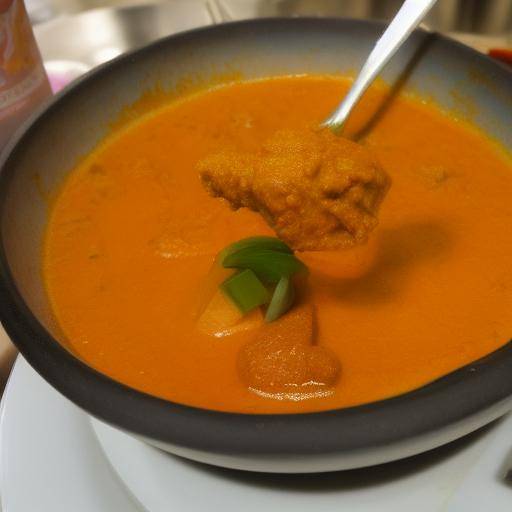
The curry is an emblematic dish that has transcended borders and has become a symbol of culinary diversity and wealth. Thailand, with its unique combination of spices and preparation techniques, has contributed significantly to the evolution of curry. In this article, we will explore the fascinating history of curry in Thailand, from its humble beginnings to its impact on contemporary cuisine. Dive into the historical roots, current uses and future trends of the Thai curry, and discover how this delicious creation has left a lasting mark on the culinary culture of the country.
Introduction
The curry is perhaps one of the most iconic and versatile dishes in the world, with a rich and complex history dating back centuries. In the specific context of Thailand, curry occupies a central place in gastronomy, reflecting the diversity of flavors, ingredients and techniques that characterize this Southeast Asian nation. In this article, we will delve into the history of curry in Thailand, exploring its origins, evolution over time, its influence on culture and eating habits, and how it has forged a unique culinary legacy that lasts until today.
History and Background
The Thai curry has its roots in a fusion of cultural influences, dating back to the old trade routes connecting Thailand to India, China and other surrounding regions. The introduction of exotic spices, such as turmeric, ginger and cumin, laid the foundation for the development of what we know today as curry. As these spices were mixed with local ingredients such as galanga, lemon grass and Thai chilies, new curry variants emerged that reflected Thailand's unique culinary identity.
Thai curry has not only profound historical roots, but also dynamic evolution over the centuries. During the period of Ayutthaya, the capital of the ancient kingdom of Siam, cultural and commercial exchange further enriched the palette of curry flavors and techniques. Subsequently, with the arrival of European and Chinese influences, the Thai curry continued to adapt and refine itself, incorporating new ingredients and cooking methods that expanded its diversity and complexity.
Analysis in Deep
Thai curry is not only appreciated for its exquisite taste, but also has numerous nutritional benefits. With a variety of fresh ingredients, aromatic herbs and spices, Thai curry is a source rich in antioxidants, vitamins and minerals essential to health. In addition, many of the ingredients used, such as turmeric and chili, have been associated with anti-inflammatory properties and benefits for the immune system.
Despite its undoubted popularity, Thai curry also faces challenges, especially in the context of globalization and the industrialization of food. The authenticity and quality of the ingredients have been crucial aspects that have gained relevance in a world where fast food and processed products have taken the lead. However, the richness and depth of the flavors of the Thai curry continue to captivate palates around the world, demonstrating their ability to resist contemporary challenges.
Comprehensive review
Thai curry is not limited only to home cooking; its versatility makes it a fundamental element in the high cuisine, where renowned chefs have reinterpreted it and adapted to create innovative and sophisticated dishes. In addition, the popularity of the Thai curry has transcended borders, becoming an integral part of the international gastronomic scene, where its exoticism and aromatic complexity have catapulted it to fame. From high-end restaurants to street stalls, the Thai curry has found a prominent place on the world culinary stage.
The growing awareness of the importance of a balanced and varied diet has led to renewed interest in traditional methods of preparation, leading to a resurgence of appreciation for the authentic recipes of Thai curry. This approach in the quality of the ingredients, combined with respect for the production techniques transmitted from generation to generation, has helped to keep alive the culinary tradition of the Thai curry.
Comparative analysis
By comparing Thai curry with other curry versions, such as Indian or Japanese, we find similarities and differences that reflect the global diversity of gastronomy. While Indian curry is characterized by its intense use of spices such as turmeric and cumin, Thai curry stands out for the freshness of its ingredients, including aromatic herbs and coconut milk. On the other hand, the Japanese curry, known as "kare", offers a softer and more subtle variant, with influences of Western cuisine.
These differences highlight the wealth and complexity present in the various culinary traditions and reveal the capacity of curry to adapt to different cultural, geographic and gastronomic contexts. Although the different types of curry share the same name, each has a unique identity that reflects the history, ingredients and preferences of their respective culinary cultures.
Practical Tips and Accessible Recommendations
For cooking enthusiasts who want to venture into Thai curry making, it is essential to carefully select the fresh and high quality ingredients, such as curry paste, coconut milk and aromatic herbs. Adjusting the intensity of spices and condiments according to individual preferences is also crucial to achieving the perfect balance of flavors. In addition, exploring the various regional variants of Thai curry, such as "Massaman" or "Panang", provides an opportunity to appreciate Thailand's culinary diversity.
Conclusions and FAQs
In conclusion, the history of curry in Thailand is a testimony to the cultural and culinary wealth of this country. From its origins influenced by old commercial routes to its outstanding presence in contemporary gastronomy, Thai curry continues to captivate and surprise lovers of good food around the world. Its ability to adapt, innovate and transcend borders makes it a culinary icon that arouses curiosity and appreciation in each bite.
Frequently asked questions
What's the story of the Thai curry?
Thai curry has its origins in the ancient trade routes and the cultural influences that converged in Thailand. The combination of exotic spices and local ingredients led to the creation of the distinctive Thai curry, which has evolved over the centuries to become a pillar of Thai gastronomy.
What are the health benefits of Thai curry?
Thai curry offers health benefits due to its combination of fresh ingredients and spices, which are rich in antioxidants, vitamins and minerals. In addition, some of the spices used, such as turmeric and chili, have been associated with anti-inflammatory properties and immune system benefits.
How can I prepare Thai curry at home?
To prepare Thai curry at home, it is important to carefully select the fresh and high quality ingredients, such as curry paste, coconut milk and aromatic herbs. Adjusting the intensity of spices and condiments according to individual preferences is also crucial to achieving the perfect balance of flavors.
What are the best known Thai curry regional variations?
Some of the best-known regional variants include the "Massaman", which is known for its sweet and spicy flavor, and the "Panang", which is richer and creamy in texture. These variants offer a wide range of flavors and aromas that reflect Thailand's culinary diversity.
How has Thai curry evolved over time?
Thai curry has evolved over time, adapting to new cultural influences, ingredients and preparation techniques. From its origin in the old commercial routes to its presence in contemporary gastronomy, the Thai curry has maintained its relevance and popularity over the centuries.
What makes Thai curry unique compared to other curry varieties?
The uniqueness of Thai curry lies in the freshness and complexity of its ingredients, including aromatic herbs, coconut milk and a wide range of spices. This combination of flavors and textures offers a distinctive culinary experience that differentiates it from other curry varieties.
In short, the history of curry in Thailand is a fascinating journey that reveals the influence of ancient civilizations, the wealth of local ingredients and the ability to adapt over time. From its historical origins to its impact on contemporary cuisine, the Thai curry has left a lasting mark on Thailand's culinary culture and continues to delight the diners with their exquisite taste and rich aromatic complexity.