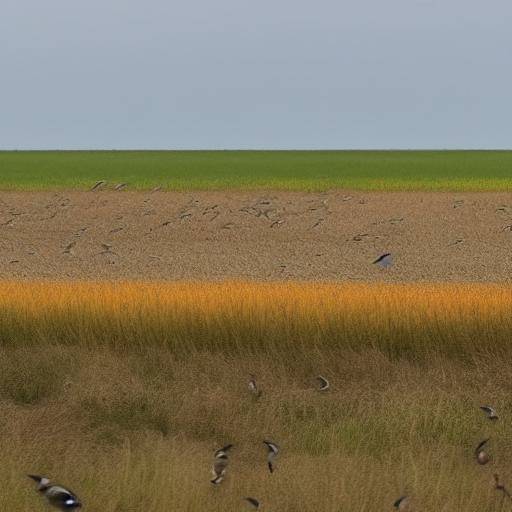
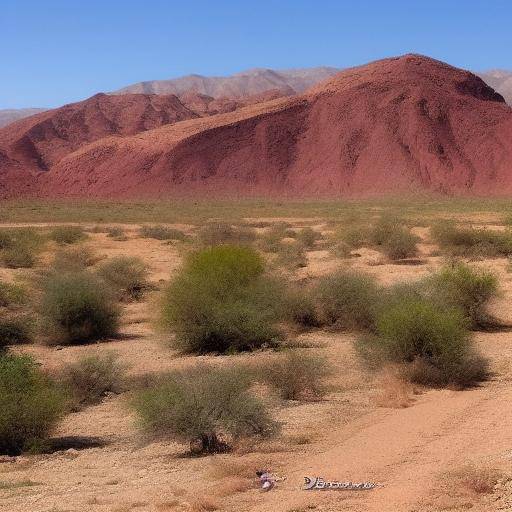
The Salar de Atacama rises as one of the most shocking natural destinations in Chile and the whole world. Its vast expanses of salt, its surreal beauty and unique wildlife make it a place of amazing splendor. In this article, we will explore the fauna and nature that inhabit this salt oasis, highlighting the majestic presence of flamencos and other fascinating beings that make this ecosystem a true treasure.
Introduction
The Salar de Atacama, located in the Atacama Desert, is the largest salar in Chile and the third largest in the world. With an extension of approximately 3,000 square kilometres, this unique place combines stunning saline landscapes with rich biodiversity that attracts scientists, nature lovers and tourists from around the world. In this article, we will immerse ourselves in the amazing world of fauna and nature that cohabit in the Salar de Atacama, especially highlighting the presence of the majestic flamencos.
History and Background
The Salar de Atacama, with an estimated age of 23 million, has an intriguing history dating back to the prehistoric era. The formation of this saltwater is due to the evaporation of the waters of an old lake, a process that has left behind an extension of salt, plaster and other minerals. This unique geology has generated a specific ecosystem that houses a remarkable variety of flora and fauna adapted to the extreme conditions of the desert.
Analysis in Deep
The presence of flamencos in the Salar de Atacama is one of the main attractions of this region, as it represents one of the largest and most biodiverse colonies of these elegant birds in South America. The flamencos, with their pink plumage and their long legs, are an impressive spectacle that attracts bird observers and nature lovers. The wildlife of the Salar de Atacama goes beyond the Flemishes, as it hosts unique species such as vicuña, ñandú, the Andean seagull and a variety of smaller fauna that has managed to adapt to the extreme conditions of the salt.
Comprehensive review
Exploring the nature of the Atacama Salar allows us to understand the importance of preserving this fragile ecosystem in a world facing growing environmental challenges. Conservation efforts and scientific research in the Salar area are essential to ensure the preservation of their unique species and to understand saline ecosystems in the context of climate change and human pressure.
Comparative analysis
By comparing the wildlife of the Salar de Atacama with other ecosystems, we can appreciate the uniqueness and importance of this environment. The adaptation of the species to the extreme conditions of the salar offers valuable lessons on the resilience of nature against seemingly insurmountable challenges.
Practical Tips and Recommendations for Action
If you plan to visit the Salar de Atacama, it is crucial that you respect the conservation regulations and habitat of the present species. In addition, enjoying wildlife responsibly contributes to preserving the unique biodiversity of the salar. Be sure to follow the directions of the local guides and respect the established limits to minimize the human impact on this natural reserve.
Perceptions of Industry and Expert Reviews
The experts in conservation and ornithology biology emphasize the importance of the Salar de Atacama as a crucial habitat for numerous species of migratory and autochthonous birds. Its value as a Ramsar site and its contribution to global biodiversity conservation cannot be underestimated.
Case Studies and Real Life Applications
Various case studies show how scientific research and effective conservation in the Atacama Salar can serve as a model for the protection of other fragile ecosystems around the world. These practical applications illustrate how understanding and preservation of wildlife can have a positive impact on global biodiversity conservation.
Future Trends and Predictions
The future of the Salar de Atacama and its wildlife depends largely on conservation efforts and public awareness of its ecological importance. As climate change and other factors put pressure on fragile ecosystems, proactive action is essential to protect and preserve the unique biodiversity of the salt and its environment.
Conclusions and FAQs
In short, the wildlife of the Salar de Atacama, in particular the presence of the majestic Flemishes, represents a natural treasure that deserves to be protected and appreciated. Through research, conservation and responsible tourism, we can help safeguard this amazing ecosystem for future generations.
Frequently asked questions
Why is the Salar de Atacama an important habitat for flamencos?
The Salar de Atacama offers ideal conditions for the feeding, nesting and reproduction of flamencos, making it an invaluable habitat for these birds.
What other species of fauna can be found in the Salar de Atacama?
In addition to flamencos, the salar hosts a diversity of species, including vicuña, ñandú, Andean seagull and a variety of lesser fauna adapted to extreme conditions.
What are the challenges facing wildlife conservation in the Salar de Atacama?
The conservation of wildlife in the Salar de Atacama faces challenges such as competition for limited resources and the human impact on the ecosystem.
How can I contribute to the conservation of the Salar de Atacama and its wildlife?
You can support the conservation of the Salar de Atacama by participating in sustainable tourism programmes, respecting local regulations and supporting conservation initiatives.
What is the role of scientific research in the preservation of the Salar de Atacama?
Scientific research plays a key role in understanding the ecology of the Salar de Atacama and developing effective conservation strategies.
What is the impact of climate change on the wildlife of the Salar de Atacama?
Climate change poses a threat to the wildlife of the Salar de Atacama, as it can alter rainfall patterns, breeding cycles and resource availability.
This article provides a detailed and enriching view of the wildlife of the Salar de Atacama, highlighting the importance of its conservation and ecological value. By understanding the natural wealth of this unique ecosystem, we can contribute to its preservation and promote responsible and respectful tourism with nature.