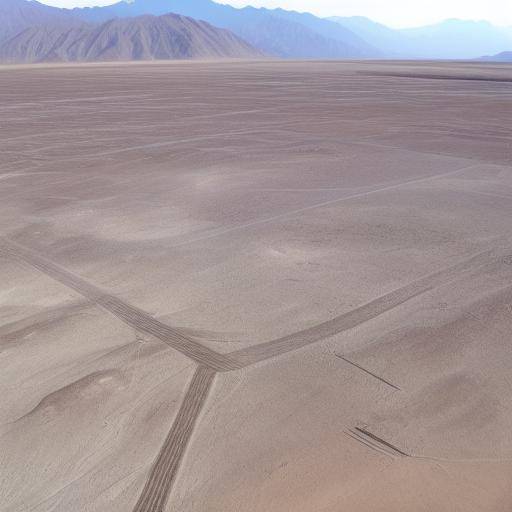
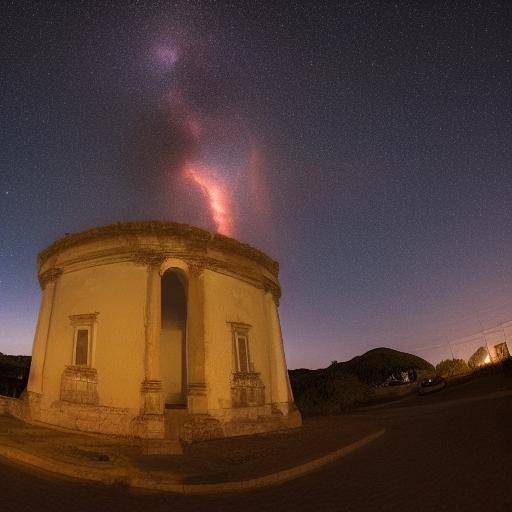
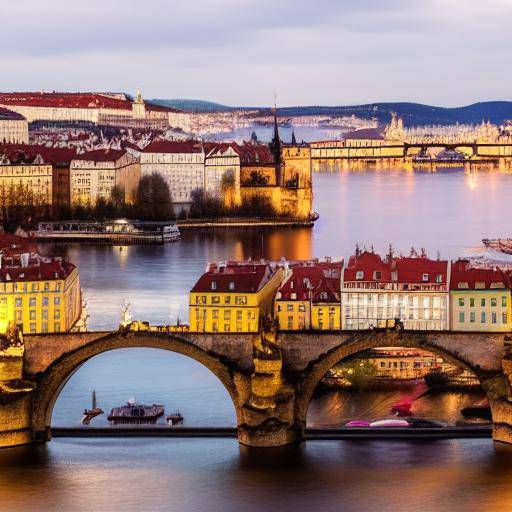
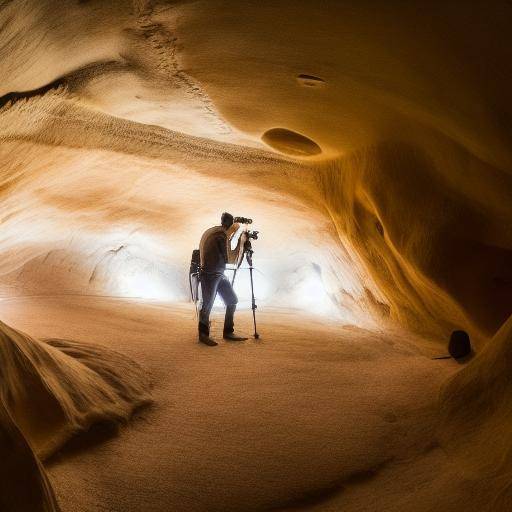
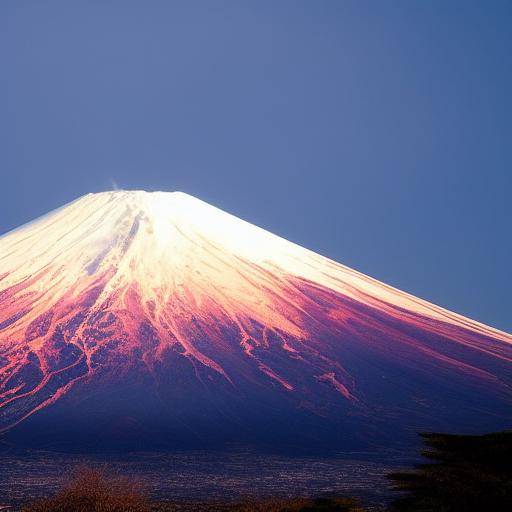
The volcanic islands offer an impressive natural setting that deserves to be captured through the lens of a camera. When you combine the lush wildlife, the majestic volcanic landscapes and the immense natural beauty, you create a perfect environment for photography, where each image tells a unique story. In this complete guide, we will explore how to make the most of photography on the volcanic islands, highlighting the fusion between passion for capturing nature and the unique challenges and opportunities presented by this geographical environment.
Photograph in the Volcanic Islands: Brief Introduction
Photography is not only a form of artistic expression, but also a powerful tool that allows us to document nature, its changes and its incomparable beauty. By immersed in the world of photography in the volcanic islands, infinite possibilities are opened to capture unique moments and experience the magic of nature in its purest state. From the texture of volcanic rocks to the diversity of flora and fauna, each element offers endless opportunities for the passionate photographer.
History and Background of Photography in the Volcanic Islands
Photography on the volcanic islands has its roots in the search to capture the essence and immensity of these majestic landscapes. From the first daguerreotypes to the digital era, the evolution of photography has allowed artists and enthusiasts to capture the intrinsic beauty and diversity of the volcanic islands over time. This section will explore the evolution of photography in this unique environment, highlighting important milestones that have shaped the way these stunning views are captured.
Deep Analysis of Photography in the Volcanic Islands
We will explore in detail the challenges and rewards faced by photographers in trying to capture the essence of the volcanic islands through their lenses. From the management of light and shadows in volcanic environments to the capture of flora and fauna in their natural habitat, this analysis will provide a detailed perspective on how to achieve shocking images in such a unique environment.
Comprehensive Review of Photographic Practices in the Volcanic Islands
From the recommended photographic equipment to the specific techniques for photographing in volcanic environments, this section will provide a holistic view of best practices and approaches for photography in the volcanic islands. Examples of cases, practical advice and expert recommendations will be presented to help photographers perfect their art in these inspiring scenarios.
Comparative Analysis: Photography in the Volcanic Islands vs. Photography in Other Natural Environments
We will compare and contrast photography in the volcanic islands with other forms of photography of nature, highlighting the similarities, differences and the unique opportunities offered by these volcanic environments. This analysis will provide a comparative vision that will enable readers to better understand the particularities and advantages of photography in volcanic islands.
Practical Tips and Accessible Tips for Photographers in the Volcanic Islands
In this section, practical advice and strategies will be highlighted for photographers who wish to make the most of their experiences in volcanic islands. From choosing ideal locations to advanced composition techniques, readers will get actionable tips to improve their photographic skills and achieve impactful images in volcanic environments.
Perceptions of Industry and Expert Reviews
We will gather ideas and opinions of experts in nature photography and volcanic environments, highlighting the implications of the specific techniques and approaches for the capture of natural beauty in the volcanic islands. In addition, we will explore emerging trends and future projections in the field of photography in volcanic environments, providing a vision of what the future holds for passionate photographers.
Case Studies and Practical Applications of Photography in the Volcanic Islands
We will present detailed study cases that illustrate the practical application of the techniques and concepts discussed above. From the visual narrative of the eruption of a volcano to the capture of wildlife in its volcanic habitat, these case studies will provide real examples that show how photography can encapsulate the unique essence of the volcanic islands.
Future Trends and Predictions in Volcanic Islands Photography
We will conclude the guide with an exploration of emerging trends and future predictions in the field of photography in volcanic environments. From technological advances to the evolution of aesthetic preferences, readers will get a vision of the opportunities and challenges ahead in the search to capture the beauty of the volcanic islands through photography.
Conclusion
Photography on the volcanic islands represents a unique journey for nature enthusiasts and visual artists. Throughout this guide, we have explored the complexities and wonders of capturing the unique beauty of these environments, providing information and guidance that will allow photographers to make the most of their experiences in the volcanic islands.
FAQs
What are the most common challenges when photographing on volcanic islands?
Variable light conditions, the presence of volcanic ash and irregular topography are significant challenges when photographing on volcanic islands. Adapting photographic techniques to these challenges is essential for achieving impressive results.
What kind of photographic equipment is recommended to photograph in volcanic environments?
It is recommended to use versatile lenses to capture both wide landscapes and details of wildlife. In addition, the use of filters to control the light and protection of equipment against adverse conditions are important considerations.
What is the best time of the year to photograph in volcanic islands?
The choice of the right season can significantly impact the quality and uniqueness of the images. Each station offers unique opportunities, so it is important to investigate and plan according to specific photographic objectives.
How can you capture the unique essence of wildlife in volcanic environments?
Patience and careful observation are key to capturing wildlife in its volcanic habitat. Understanding the behavior of local species and adapting photographic techniques to unique conditions are fundamental aspects to achieve shocking images.
What role does postprocessing play in the photography of volcanic islands?
Postprocessing can be a powerful tool to enhance the natural beauty captured in the images. However, it is important to maintain a balance to preserve the authenticity of the original scene.
How can security be maintained when photographing in volcanic environments?
Personal security and team protection are critical considerations when photographing in volcanic environments. Following the established safety guidelines and being prepared for unforeseen conditions is essential for a safe and successful photographic experience.
In short, photography on the volcanic islands offers an incomparable opportunity to explore and capture the sublime natural beauty in its purest form. By following the advice and best practices, photographers can open new creative possibilities in these unique environments, immortalizing the grandeur of the volcanic islands through their photographs. While it presents unique challenges, the reward of capturing the majesty of these landscapes is incomparable, bringing with it the promise of creating images that will last for future generations.