Kruger National Park in South Africa is a dream destination for lovers of photography and nature. With its rich diversity of wildlife and stunning landscapes, capturing Kruger's fauna can be an unforgettable experience. In this article, you will learn tips and techniques to improve your photographic skills in Kruger Park, as well as the importance of preserving nature in your images. From animal observation to composition and enlightenment, discover how to create shocking images that tell unique stories of the natural world.
Introduction
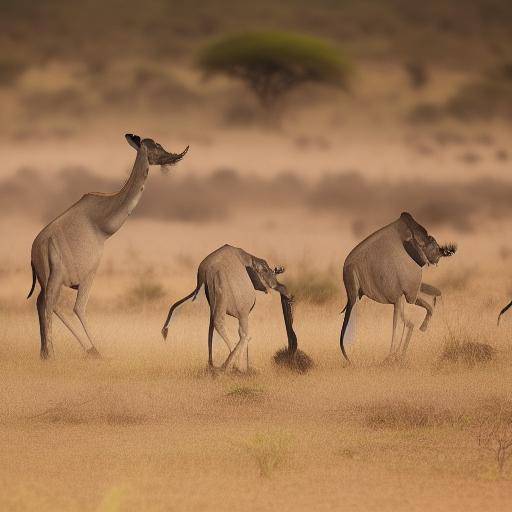
Kruger National Park, one of the most iconic destinations in Africa, hosts an amazing diversity of wildlife, from majestic lions to imposing elephants and colorful exotic birds. The photograph in this area is not only an exciting pastime, but also a way of raising awareness of the conservation of nature and the preservation of endangered species. Discover how you can combine your passion for photography with love for nature in Kruger Park.
History and Background
Kruger National Park has a fascinating history dating back to the early twentieth century. Founded in 1898 by South African President Paul Kruger, the park has evolved from being a sanctuary for wildlife to becoming an important tourist and ecological destination in South Africa. Over the years, the park has played a crucial role in the conservation of flora and fauna, attracting photographers, naturalists and adventurers from around the world.
Analysis in Deep
Nature photography in Kruger Park presents unique challenges, from lighting conditions to unpredictable animal behavior. However, it also offers countless opportunities to capture stunning moments and document the beauty of wildlife. Explore the various photographic techniques you can use to overcome these challenges and create shocking images that reflect the majesty of nature in its purest state.
Comprehensive review
Best practices in nature photography are not only limited to taking good photos, but also promoting conservation and respect for the environment. Learn how you can minimize your impact on the ecosystem while capturing wildlife and how your images can help raise awareness of the importance of preserving natural habitat.
Comparative analysis
Comparing Kruger Park with other wildlife reserves, it is clear that its abundant biodiversity and environmental quality make it a top-class destination for nature photography. Compare the unique challenges and opportunities offered by Kruger Park in terms of wildlife photography, and how it differs from other popular destinations around the world.
Practical Tips and Accessible Tips
Wildlife photography in Kruger Park requires patience, skill and solid knowledge of animal behavior. Get practical advice on how to prepare to capture the perfect images, from choosing the right equipment to the technique of approaching animals in a safe and ethical way. Also, discover how you can apply composition principles and focus to give life to your photographs.
Industry Visions and Expert Reviews
He knows the perspectives of expert photographers and conservationists who have dedicated their lives to documenting wildlife in Kruger Park. Your knowledge and experiences will give you a deeper understanding of the intersection between nature photography and environmental conservation.
Case Studies and Real Life Applications
Explore iconic case studies of photographers who have succeeded in creating impact through their images, as well as practical applications of nature photography in conservation and ecotourism. From endangered species documentation projects to campaigns to raise awareness of the conservation of vulnerable habitats, discover how photography can be a powerful tool for positive change.
Future Trends and Predictions
As technology and trends in photography evolve, the future of Kruger's wildlife capture promises new opportunities and challenges. Explore emerging trends, such as the use of drones to capture aerial images or the application of innovative techniques in wildlife photography. In addition, it highlights the role that photography could play in conservation and sustainable tourism in Kruger Park in the years to come.
Conclusions
Nature photography in Kruger National Park can be a deeply rewarding experience both on a personal level and in its contribution to the preservation of wildlife. By combining passion for photography with deep respect for nature, photographers can create shocking images that generate awareness and encourage conservation. Take advantage of the knowledge and tips shared in this article to improve your photographic skills and contribute to the protection of the wildlife of Kruger Park.
Frequently asked questions
What photographic equipment is ideal for capturing the fauna of Kruger Park?
To capture wildlife in Kruger Park, it is essential to have a versatile equipment that includes a long-distance telephoto lens for wildlife photography, a raffle-capable camera to capture rapid movements and a resistant tripod for stability in different conditions. In addition, it is important to carry a light and resistant equipment to support long days of photography in natural environments.
What are the ethical considerations when photographing wildlife in Kruger Park?
When photographing wildlife, it is essential to respect the rules and regulations established for animal observation in Kruger Park. Avoid disrupting or interfering in the natural activities of animals, maintaining a safe distance and minimizing any negative impact. Respect for the well-being of wildlife must be a priority at all times.
How can I contribute to conservation through my photographs of Kruger Park?
In addition to capturing shocking images, you can contribute to conservation by disseminating your photographs on social media platforms or by collaborating with wildlife protection organizations. By using your images to sensitize the importance of conservation and raising funds for preservation projects, you can be a change agent in the protection of Kruger Park fauna.
What are the best moments of the day to photograph wildlife in Kruger Park?
The ideal moments to photograph the fauna in Kruger Park are usually during the first hours of the morning and at sunset, known as the "golden hour". During this period, the quality of light is soft and warm, which creates ideal conditions to capture captivating images with soft contrasts and vibrant colors.
What role does photography play in wildlife conservation in Kruger Park?
Photography plays a crucial role in conservation by raising awareness of the beauty and fragility of the wildlife of Kruger Park. Impacting images can inspire people to take action to protect natural habitat and promote sustainable practices. By documenting endangered species and threatened habitats, photography can play a key role in the defense of conservation.
What are the most common challenges in photographing wildlife in Kruger Park?
The common challenges of photographing wildlife in Kruger Park include the need to maintain a safe distance from animals to avoid disturbances, adaptation to changing lighting conditions and capture of fleeting moments of animal behavior. It is also important to be prepared for variable weather conditions and the need to be patient and observer to capture unique images.
With these knowledge and advice, you are ready to take on your photographic adventure in Kruger National Park. By combining your passion for photography with deep respect for nature, you can create shocking images that not only reflect the beauty of wildlife, but also contribute to its conservation. Get inspired by nature and capture moments that will tell stories for generations!
Remember that every image you capture is an opportunity to convey a powerful message about the importance of preserving wildlife and natural ecosystems. Enjoy your photographic journey in Kruger Park and be part of the conservation narrative through your lens!