Introduction
South American deserts are fascinating witnesses to the natural diversity that characterizes this region of the world. From the stunning landscapes of the coast of Chile to the highland deserts in Bolivia, each of these deserts offers a unique and unforgettable experience. In this visual guide, we will explore the most striking deserts in South America, discovering its beauty, its unique ecology and the history that has shaped them over time.
Deserts of South America: A Visual Trip
Atacama Desert, Chile
The Atacama Desert extends along the northern coast of Chile and is considered the most arid desert in the world. With its surreal landscapes, stunning salt flats and geysers in full highland, Atacama Desert is a paradise for nature and photography lovers. His changing colors throughout the day and his rich wildlife make him a truly unique destination.
Desert of Sechura, Peru
Located in northern Peru, the Sechura Desert is the largest coastal desert in South America. Its undulating dunes, hidden oasis and rich pre-Columbian history make this desert a place of great interest. In addition, its diverse flora and fauna highlight the surprising ability of life to flourish in extreme conditions.
Desert of Tatacoa, Colombia
Although it is commonly known as a desert, Tatacoa is actually a tropical dry forest with desert landscapes. Its rock formations, clay cannons and starry skies make this place a hidden gem in Colombia. Tatacoa offers unique opportunities to explore nature and marvel at the universe through its astronomical observatory.
Desert of Guajira, Colombia and Venezuela
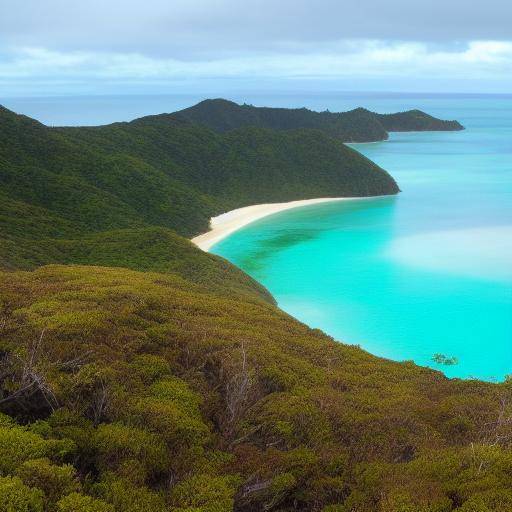
The Guajira peninsula, shared between Colombia and Venezuela, houses an exceptionally vibrant desert. Its extensive white sand beaches, lagoons of a dazzling blue and the Wayúu indigenous culture give this place a fascinating combination of natural beauty and cultural legacy.
History and Origins
The deserts of South America have a rich and diverse history dating back thousands of years. The interaction between pre-Columbian civilizations and nature has left an indelible legacy that is still felt in the region. From the ancient petroglyphs in Atacama Desert to the Wayúu traditions in Guajira, each desert has a unique story that deserves to be told.
Deep analysis
South American deserts present unique challenges and opportunities for the conservation of nature and sustainable development. With the preservation of sensitive ecosystems and the prosperity of local communities at stake, it is crucial to fully understand deserts from an ecological, social and economic perspective.
Comprehensive review
We will explore the practical applications of desert preservation, highlighting successful conservation efforts and innovative approaches that seek to balance environmental protection with human development.
Comparative analysis
We will compare South American deserts from various angles, examining their geology, ecology and interaction with local communities. In doing so, we will highlight the similarities and differences that make each desert unique.
Practical Tips and Recommendations
We will provide practical advice for those who wish to explore these deserts in South America, from team suggestions to recommendations of impermissible places. In addition, we will provide information on responsible tourism and the importance of respecting the fragility of these unique ecosystems.
Industry Perspectives and Expert Reviews
Gathering some perspectives of experts and providing in-depth analysis on the crucial role of deserts in the conservation of biodiversity and its implications for the future.
Case Studies and Real Life Applications
We will explore detailed case studies that illustrate how the deserts of South America have been fundamental to the survival of unique species and how human interaction with these ecosystems has shaped culture and regional history.
Future Trends and Predictions
Finally, we will offer a look at the future of the South American deserts, highlighting the emerging trends and possible directions that these ecosystems could take in a constantly changing world.
Conclusion
In conclusion, the deserts of South America are natural treasures that deserve to be appreciated, preserved and studied. Their amazing beauty, rich history and ecological importance make them places of great value for humanity. By understanding and appreciating the uniqueness of these deserts, we can contribute to their conservation and ensure that they continue to astonish and inspire future generations.
FAQ
1. Why are the deserts of South America important?
South American deserts play a crucial role in biodiversity conservation, hosting unique species and contributing to the stabilization of fragile ecosystems. In addition, they represent an integral part of the rich history and culture of the region.
2. What are the main challenges facing the deserts of South America?
Desertification, human pressure on natural resources and climate change represent significant challenges for the preservation of South American deserts. Effective conservation strategies, community involvement and measures to mitigate human impact are critical to addressing these challenges.
3. What measures are being taken to preserve the deserts of South America?
Government organizations, NGOs and local communities are working on conservation, environmental education and sustainable development projects to protect the desert ecosystems of South America. These efforts include the creation of protected areas, the promotion of responsible tourism and the implementation of sustainable agricultural practices.
4. What is the impact of tourism in the deserts of South America?
While tourism can provide economic benefits and raise awareness of the importance of conservation, it can also put pressure on fragile ecosystems if it is not properly managed. It is crucial to promote responsible tourism that respects the integrity of the environment and local communities.
5. How can I contribute to the preservation of South American deserts?
Individuals can contribute to the preservation of the deserts of South America by supporting conservation initiatives, being aware of the environmental impact of their actions, and educating themselves and others about the importance of these unique ecosystems.
6. What are the prospects for the South American deserts in the future?
The prospects for the South American deserts depend largely on the capacity of society to address current environmental challenges and preserve the integrity of these ecosystems. The adoption of sustainable practices, the protection of critical areas and the strengthening of collaboration among different actors are fundamental to ensuring a healthy future for these deserts.
With this visual guide, we hope to have offered a fascinating and educational vision of the most impressive deserts in South America. Their beauty, diversity and crucial role in the conservation of nature make them treasures that deserve to be valued and protected by future generations.