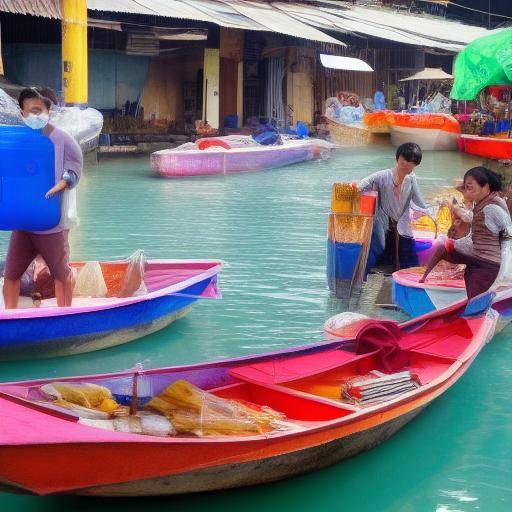
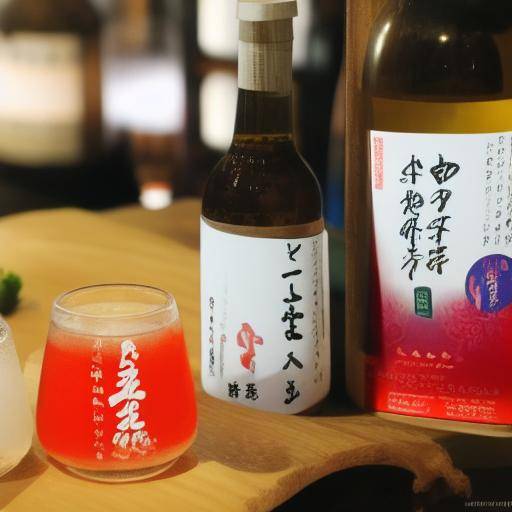
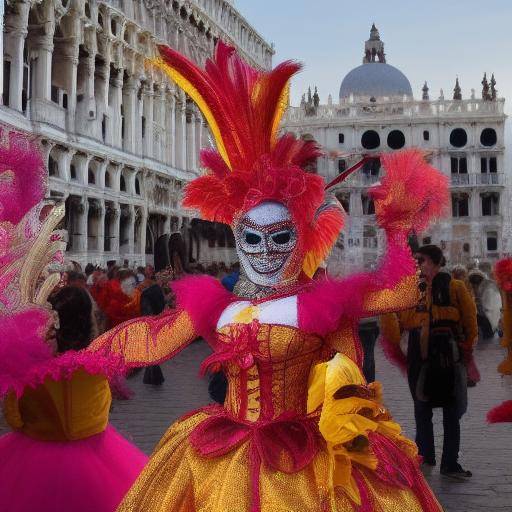
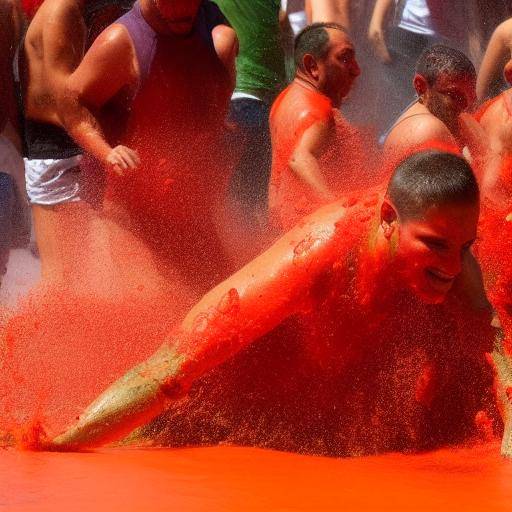
The sake festivals in Japan represent a unique celebration of the culture, tradition and flavors of this emblematic drink. Dive into the magical world of sake through its festivals, where the centuries-old history and the modernity of its elaboration come together, offering an unparalleled experience for lovers of Japanese culture and those passionate about the good table.
Introduction
The festivals of sake, also known as "sake matsuri", are events that celebrate the diversity and wealth of this traditional Japanese alcoholic beverage. Throughout Japan, these festivals attract local and international visitors eager to taste a wide variety of sakes, learn about their methods of elaboration and immerse themselves in the festive atmosphere surrounding this drink.
Throughout this article, we will discover the history and cultural background of sake, explore the most outstanding festivals where we pay homage to this millennial drink, analyze its importance in Japanese culture and offer valuable advice to those who wish to fully enjoy the experience of a sake festival in Japan.
History and Background
The sake, known in Japan as "nihonshu", has a history that dates back over a thousand years. It is believed that its production began in regions such as Nara and Kyoto during the Nara period (710-794 AD), being an essential component in religious rituals and festivals. Over the centuries, sake has evolved, from being a sacred drink to a symbol of celebration and camaraderie in Japanese culture.
During the Edo era (1603-1868), sake production expanded significantly, and its popularity grew both in Japan and abroad. Crafts and master's degree in the elaboration of sake became a hallmark of Japanese culture, consolidating its position as one of the most emblematic alcoholic beverages worldwide.
The sake festivals emerged as a way of paying tribute to this drink, honoring its historical roots and its role in Japanese society. These events offer a unique opportunity for visitors to immerse themselves in the tradition, art and tastes of sake, consolidating their status as a celebration of coexistence and appreciation for Japanese culture.
Detailed analysis
The sake is not only appreciated for its exquisite taste and role in Japanese gastronomy, but also has unique health benefits, being rich in antioxidants and compounds that can contribute to general well-being. Moreover, its versatility as an accompaniment for a wide range of traditional and contemporary dishes makes it a central element of numerous gastronomic experiences in Japan and around the world.
The increase in the popularity of international sake has generated a new impetus in the industry, promoting the creation of innovative varieties and styles that attract a diverse and responsive audience. The appreciation of sake goes beyond its consumption, as many enthusiasts seek to understand its process of elaboration, explore its diversity and participate in special events, such as tastings and festivals dedicated to sake.
This renewed interest in sake has led to a flourishing movement of appreciation for traditional Japanese culture, fostering a greater understanding and recognition of the complexities and craftsmanship behind this iconic drink. The sake festivals play a crucial role in providing a platform for the promotion and preservation of this rich cultural heritage, attracting new audiences and connecting generations to come with the tradition of sake.
Comprehensive review
In attending a sake festival in Japan, visitors have the opportunity to discover a wide variety of sakes from different regions of the country, each with its own features and nuances that reflect the influence of climate, water and local processing techniques. From soft and floral sakes to more robust and spicy options, the diversity of flavors found in these festivals is truly amazing.
The sake festivals not only offer the possibility to try a wide range of sakes, but they are also a platform to learn from brewers and experts in the matter. Through guided tastings, interactive lectures and workshops, attendees can deepen their understanding of the complexity and crafts involved in the elaboration of sake, bringing with them valuable knowledge that will enrich their appreciation of this unique drink.
The sake festivals are also a reflection of Japanese hospitality, offering visitors the opportunity to immerse themselves in a festive and welcoming atmosphere, where the camaraderie and the exchange of experiences merge with the celebration of the sake culture. Participants have the opportunity to interact with local producers, discover new varieties of sake and share their passion for this drink with related people from around the world.
Comparative analysis
The culture of sake, intrinsically linked to tradition and celebration, is intertwined with the rich diversity of festivals that take place throughout the year in Japan. Each festival, from the famous "Niigata Sakenojin" in the Niigata region to the charming "Hakata Sake Festival" in Fukuoka, offers a unique experience that reflects the unique features of its local environment and the traditions rooted in the sake production.
As the sake festivals continue to gain popularity worldwide, there is growing interest on the part of gastronomy and culture enthusiasts. This phenomenon has generated an exchange of knowledge and experiences, enriching the global understanding of sake and its role as ambassador of Japanese gastronomy. The diversity of sake festivals represents a window to the appreciation of Japanese culture and the celebration of crafts and tradition that defines this millenary drink.
Practical Tips and Accessible Tips
When planning to visit a sake festival in Japan, it is advisable to investigate in advance the dates and locations of the events, making sure to book accommodation well in advance, as these festivals tend to attract a large influx of visitors both national and international. It is also advisable to prepare to try a variety of sakes, keeping an open and responsive attitude to new sensory experiences.
During the festival, take the opportunity to interact with sake producers and other enthusiasts, sharing impressions and knowledge about your preferences and discoveries. Participation in guided tastings and educational activities will allow you to deepen your understanding of sake, enriching your experience and encouraging greater appreciation for this unique drink.
Conclusions and FAQs
In short, the sake festivals in Japan offer a window to the rich tradition and diversity of this emblematic drink, providing visitors with a unique opportunity to explore the craft behind their elaboration, discover new varieties and connect with a community of enthusiasts passionate about sake. From the festive atmosphere to the wide range of flavors that can be tasted, these festivals are a celebration of Japanese culture and hospitality, sharing the history and spirit of this millenary drink with the world.
Frequently asked questions
1. What's sake?
The sake is a Japanese alcoholic beverage made from rice, water, yeast and koji (a fungus used in fermentation). It is considered an integral part of Japanese culture, with a history that goes back to over a thousand years.
2. What is the difference between hot sake and cold?
The sake can be enjoyed both cold and hot, and the service temperature can influence its flavors and aromas. Hot sake, known as "atsukan", highlights the most robust flavors, while cold sake, called "reishu", reveals more delicate and fresh nuances.
3. What are the most outstanding sake festivals in Japan?
Some of the most outstanding sake festivals in Japan include the "Niigata Sakenojin" in the Niigata region, the "Hakata Sake Festival" in Fukuoka and the "Nothing No Kenka Matsuri" in Hyogo, among others.
4. What is the process of making sake?
The sake processing process involves the preparation of rice, the fermentation of koji and yeast, and the maturation of sake. Each stage requires care and skill to produce high quality sakes with unique taste profiles.
5. How can I fully appreciate the sake during a festival?
During a sake festival, it is advisable to try a variety of sakes, participate in guided tastings and chat with producers to learn about the different varieties and styles of sake. Keeping an open and responsive mind to new sensory experiences will contribute to a fuller appreciation of sake.
6. What is the cultural importance of sake in Japan?
The sake occupies a prominent place in Japanese culture, being an integral part of celebrations, ceremonies and rituals. Its importance goes beyond being a drink, as it represents Japanese crafts, tradition and hospitality.
Conclusion
The sake festivals in Japan are much more than events dedicated to tasting a drink. They represent a celebration of the culture, hospitality and crafts that characterize this millenary drink. By exploring the diversity of sakes, learning about their elaboration and plunging into the festive atmosphere around them, visitors have the opportunity to fully appreciate the historical legacy and contemporary spirit of sake. Whether for lovers of Japanese culture, gastronomy enthusiasts or curious travelers, the sake festivals offer a truly unforgettable experience, providing a vivid portrait of the tradition, innovation and the welcoming spirit of Japanese culture.
When planning your next adventure in Japan, consider including a visit to a sake festival in your itinerary, exploring the fascinating diversity of this emblematic drink and immersed in the celebration of its rich cultural heritage. Through every sip of sake and every encounter with the local community, you will discover the magic that permeates these festivals, celebrating the very essence of Japanese tradition and hospitality. May your journey give you the opportunity to experience a unique experience in the fascinating world of sake!