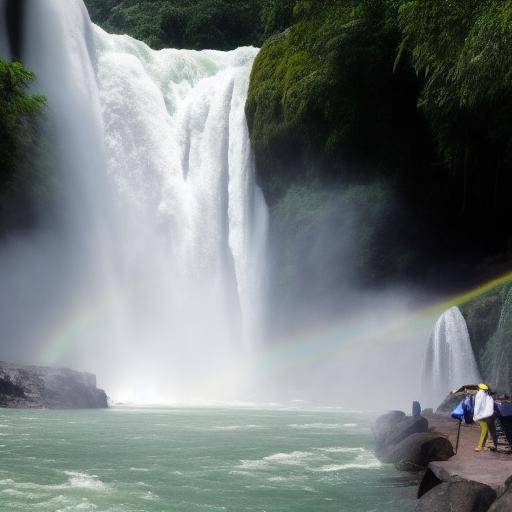
Victoria Falls, majestic and powerful, have been an inexhaustible source of astonishment and natural beauty. In this article, we will explore how to capture the essence and strength of Victoria Falls through photography, getting into the breathtaking landscapes offered by Zambia, the country that hosts these natural wonders. From the history and evolution of the cataracts to the practical advice to photograph them, this photographic guide will provide an integral and stimulating vision for lovers of photography and nature. Get ready to dive into the adventure of capturing the grandeur of Victoria Falls through your lens!
History and Background
The Victoria Falls, known locally as "Mosi-oa-Tunya", which translates as "the thunder smoke", have captivated visitors for centuries with their natural splendor. Located on the border between Zambia and Zimbabwe, these cataracts are a wonder of the world and have played a crucial role in the history, culture and mythology of the region. Since their discovery by David Livingstone in 1855 until their recognition as a World Heritage Site by UNESCO in 1989, Victoria Falls have witnessed significant events and inspired travelers, explorers and photographers from around the world.
Meanwhile, photography has evolved to become a powerful way of capturing and sharing natural beauty. The ability of photography to immortalize fleeting moments and transmit emotions makes it an invaluable tool to document the cataracts in all their greatness. With the advance of technology, photographers have at their disposal sophisticated equipment that allows them to capture the very essence of Victoria Falls with amazing precision and detail.
A deep understanding of the history and background of Victoria Falls, together with the transformative role of photography, is essential to appreciate the importance of capturing the magnificence of this iconic destiny.
Analysis in Deep
Benefits and Challenges of Photographing Victoria Falls
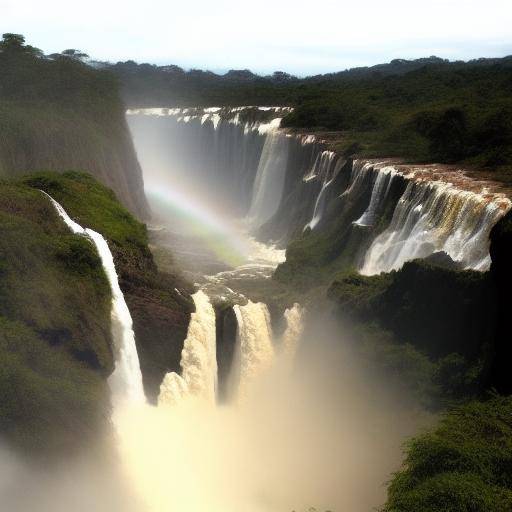
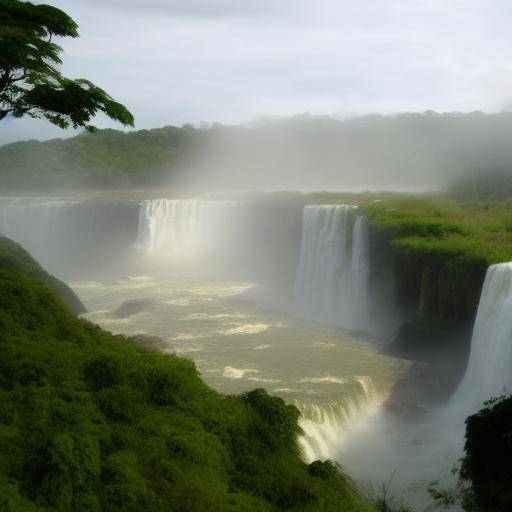
Photographing Victoria Falls presents a series of unique challenges and opportunities. The immense amount of water, the constant dew in the air and the immense rainbows created by the sun give photographers the possibility to capture spectacular compositions. However, the humid and often changing environment can pose technical challenges, such as protecting the photographic equipment from humidity and achieving an adequate exposure in variable lighting conditions.
Current Perspectives and Trends in Nature Photography
Nature photography has become a popular medium to document and preserve unique natural environments and highlight the importance of conservation. With the rise of social networks and the global diffusion of images, photographers have the opportunity to inspire a positive change by showing the beauty and fragility of places like Victoria Falls. Current trends in nature photography also include the use of drones to capture stunning air perspectives, which has broadened the limits of creativity in landscape photography.
Applications and Best Practices in Landscape Photography
Landscape photography, like the one in Victoria Falls, requires a meticulous approach to composition, lighting and capture of significant details. Photographers should consider using filters to control exposure and capture the strength and magnitude of the natural environment. In addition, the choice of time of day and the understanding of the dynamics of water are critical aspects to achieve shocking images.
Comprehensive review
Comparison between Victoria Falls, Photography and Zambia
Victoria Falls: Nature in Your Maximum Expression
The majestic Victoria Falls are a natural wonder that has captivated visitors and photographers alike throughout history. Located in the heart of Africa, on the border between Zambia and Zimbabwe, these impressive cataracts offer countless opportunities to capture the magnificent nature through photography. In this photo guide, we will explore the best practices to photograph Victoria Falls, the challenges of this unique environment and how to make the most of the photographic experience in Zambia.
History and Background of Victoria Falls
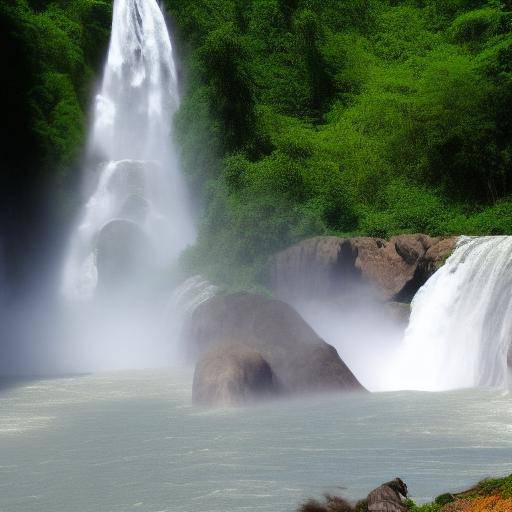
The Victoria Falls, known locally as "Mosi-oa-Tunya", which translates as "the smoke that thunders", have been a place of wonder and wonder since time immemorial. Discovered by the explorer David Livingstone in 1855, these cataracts have become an emblematic destination and have been recognized as a World Heritage Site by UNESCO. The unique setting of the cataracts, with its impressive waterfall of more than 100 meters and the fog rising in the air, provides a spectacular backdrop for photography.
Photograph of Victoria Falls: Challenges and Opportunities
Photographing Victoria Falls presents unique technical and artistic challenges. Constant dew and fog create changing conditions that require specialized skills and appropriate equipment. However, these conditions also give rise to extraordinary opportunities to capture the energy and grandeur of the cataracts. The diversity of the surrounding flora and fauna, as well as the changing luminosity throughout the day, add layers of complexity and beauty that photographers can capture in their images.
Current Trends in Nature Photography: The Case of Victoria Falls
Nature photography has become a powerful tool to promote conservation and appreciation for natural environments. In the case of Victoria Falls, photography plays a crucial role in documenting and transmitting the beauty and importance of this unique landscape. The proliferation of landscape photography on digital platforms has amplified the impact of cataract images and raised awareness of the need to preserve this natural heritage for future generations.
Photograph in Zambia: Capturing the Essence of the Country
Zambia, the country hosting Victoria Falls, offers a rich upholstery of natural landscapes for photographers. From extensive plains and lush forests to diverse wildlife, Zambia is a paradise for nature photography lovers. By exploring the multiple facets of Zambia through the lens, photographers have the opportunity to capture the authenticity and timeless beauty of the country. In addition to Victoria Falls, Zambia hosts rich cultural diversity, which provides a fascinating context for documentary and portrait photography.
Practical Tips: How to Capture the Greatness of Victoria Falls
- Preparation: Make sure you have the right equipment, including wide-angle lenses and telephoto, resistant tripod and moisture protection.
- Lighting: Take advantage of the different hours of the day to capture the changing light on the falls and create unique effects on your photos.
- Composition: Experiment with angles and frames to capture the scale and majesty of the cataracts, incorporating additional elements to contextualize the image.
- Patience: Allow time to observe and understand the flow of cataracts, seeking special moments and details that add depth to your photographs.
Conclusion
Photographing Victoria Falls in Zambia is a surprising experience that offers infinite possibilities to capture the essence and grandeur of nature. With the combination of the rich and significant history of the cataracts, the unique challenges and opportunities presented by the photographic environment, together with the diverse beauty of Zambia, photographers have at their disposal an impressive canvas to create shocking and evocative images. By taking advantage of current trends in nature photography and applying practical advice, photography enthusiasts can capture the strength and majesty of Victoria Falls in a way that resonates and perpetuates.
May the photography guide of the Victoria Falls in Zambia inspire photographers to explore, experience and share the amazing beauty of this iconic natural destination with the world!
FAQs (Frequently Asked Questions)
1. What is the best time of the year to photograph Victoria Falls in Zambia?
The best time to photograph the Victoria Falls is during the dry season, which goes from May to October. During this period, the water level is lower, allowing you to capture more details of the falls and their environment. In addition, the lighting is softer and allows you to get stunning captures.
2. What photographic equipment is essential to photograph the Victoria Falls?
It is advisable to carry a wide angle lens to capture the magnitude of the cataracts, a polarization filter to reduce the brightness of the dew and a resistant tripod to stabilize the chamber in conditions of humidity and wind. In addition, moisture protection is essential for preserving equipment in this environment.
3. Is special permission required to photograph Victoria Falls in Zambia?
No special permission is required to photograph the Victoria Falls on the side of Zambia. However, it is important to respect local regulations and, in some cases, an entry fee may be charged to the park.
4. What are the most common challenges when photographing Victoria Falls?
Some of the common challenges include fog and dew, which can tarnish the lenses and affect the sharpness of the images. In addition, variable lighting and the presence of wildlife in the surroundings can add complexity to image capture.
5. What other places of photographic interest does Zambia offer besides Victoria Falls?
Zambia has a diversity of natural landscapes, such as South Luangwa National Park, Zambeze River and Kariba Lake, which offer unique opportunities for amateurs and nature photography professionals.
6. What is the importance of photography in the conservation of Victoria Falls and their environment?
Photography plays a crucial role in raising awareness and preserving the natural environment of Victoria Falls. The shocking images can inspire greater appreciation for this natural heritage and raise awareness of the importance of preserving these wonders for future generations.
With these answers, we hope to have resolved your concerns about the photography of Victoria Falls in Zambia and its surroundings. If you have more questions, do not hesitate to contact us.
In short, Victoria Falls, photography and Zambia are intertwined to offer an unforgettable experience for both nature lovers and for the passionate of photography. This iconic destiny is truly a treasure to be captured, appreciated and preserved through the art of photography.
May this photographic guide inspire you to explore the greatness of the Victoria Falls in Zambia and to capture moments that last forever!
This concludes our photographic guide to Victoria Falls in Zambia. We hope you enjoyed the reading and it was helpful.