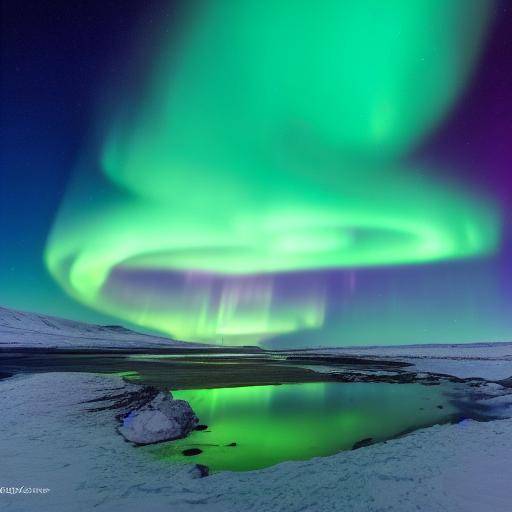
North American national parks are nature jewels that offer incomparable adventures and unique experiences. From majestic mountains to lush forests and dazzling coasts, these parks offer an impressive showcase of the natural diversity of the continent. Whether you're looking for exciting outdoor activities or just enjoying nature's serenity, North American national parks have something for everyone. In this guide, we will explore the best national parks in North America, highlighting its unique features, fascinating history, challenges and current trends. Get ready for an unforgettable journey through these magnificent natural treasures!
Introduction
North American national parks have played a key role in preserving the natural beauty and biodiversity of the continent. These nature shrines provide a haven for an amazing variety of species, while offering visitors the opportunity to immerse themselves in stunning environments and participate in a wide range of outdoor activities. From the majesty of the Rocky Mountains to the serene beauty of the Everglades, each national park has its own distinctive history and charm.
In this guide, we will take a detailed look at several of the best national parks in North America. From their history and context to the current challenges they face, we will explore the natural and cultural wealth of these national treasures. In addition, we will provide practical advice for those who wish to venture through these magnificent parks and experience the majesty of first-hand nature.
History and Background
Origins of North American National Parks
North American national parks have their roots in the 19th century conservation movement, which sought to protect and preserve natural landscapes and endangered species. The Yellowstone National Park, established in 1872, was the first national park in the world and set a crucial precedent for the conservation of natural areas around the world.
Evolution of the Concept of National Parks
Over the years, the concept of national parks has evolved from an initial approach to the conservation of scenic landscapes to a wider understanding of the importance of preserving comprehensive ecosystems, including biodiversity and natural processes of the environment.
Important Milestones and Key Figures
Several historical milestones have marked the evolution of North American national parks. The establishment of the United States National Parks Service in 1916 and the adoption of the Canada National Parks Act in 1930 have been crucial milestones in the development and management of national parks in North America.
Anecdotes and Case Studies
Successful conservation stories and challenges faced by national parks over the years offer valuable lessons on the importance of preserving nature. Case studies such as reintroduction of the wolf in the Yellowstone National Park and restoration of wetlands in the Everglades National Park illustrate the positive impact of active management on the conservation of these fragile environments.
Analysis in Deep
Benefits and Challenges of National Parks
National parks offer a wide range of benefits, from biodiversity conservation to the promotion of ecotourism and environmental education. However, they also face significant challenges, such as climate change, habitat loss and sustainable tourism management.
Current Trends in National Park Management
The management of national parks has evolved significantly to address contemporary challenges. Current trends include an approach to sustainability, community participation in conservation, and the integration of traditional knowledge into management practices.
Perspectives and Diverse Reviews
Various interests and perspectives influence the management of national parks, from local communities and indigenous peoples to Governments, non-governmental organizations and environmental defence groups. Cross-sectoral collaboration and consideration of multiple perspectives are key to effectively addressing conservation challenges.
Details of Complex Concepts
The management of conservation, ecosystem ecology and the sustainability of tourism in national parks are complex concepts that require detailed analysis to fully understand their importance and practical application in the management of these special sites.
Comprehensive review
Applications, Case Studies and Best Practices
We will analyse specific examples of successful implementation of management strategies in national parks, from habitat restoration to conflict mitigation between conservation and sustainable development. These cases will provide a deep insight into best practices in the management of national parks.
Opinions of Experts and Future Perspectives
Experts on the conservation and management of national parks will offer their views on the current and future status of these special sites. Their views will shed light on opportunities, challenges and possible strategies to ensure the long-term preservation of national parks.
Comparison and Contrast
We will explore the differences and similarities between North American national parks, focusing on their unique characteristics, common challenges and conservation approaches. This comparison will provide a deeper understanding of the diversity of national parks in North America.
Practical Tips and Accessible Tips
Tips to Enjoy National Parks
We will offer practical advice and recommendations to visit and enjoy national parks, including information on hiking trails, outdoor activities, camps and safety precautions for a safe and enriching experience.
Step-by-Step Guides and How to Do
We will provide detailed guides, step by step, on specific activities that can be enjoyed in national parks, such as wildlife observation, hiking in mountainous terrain, kayaking in virgin rivers and photography of spectacular landscapes.
Recommendations and Justifications Details
We will base our recommendations on security, conservation and respect for nature, providing detailed justifications to ensure that visitors appreciate and protect the natural environment they are exploring.
Conclusions
In short, North American national parks offer an unmatched window to the beauty and natural diversity of the continent. Its history, current challenges and future trends offer a rich source of learning, inspiration and reflection on the importance of nature conservation. By exploring and enjoying these natural treasures, visitors have the opportunity to enrich their lives and contribute to the preservation of these exceptional landscapes for future generations.
Frequently asked questions
What are the most visited national parks in North America?
The most visited national parks include Yellowstone National Park, Grand Canyon National Park, Yosemite National Park and Yellowstone National Park.
How do national parks contribute to biodiversity conservation?
National parks play a crucial role in providing protected habitats and breeding areas for a wide variety of plant and animal species, which contributes to the preservation of biodiversity in North America.
What are some popular activities that can be enjoyed in national parks?
Popular activities include hiking, wildlife observation, camping, fishing, kayaking, rafting, and photography of spectacular natural landscapes.
What are the biggest challenges facing national parks today?
National parks face challenges such as climate change, natural resource exploitation, tourism management and the conservation of vulnerable habitats.
How can I contribute to the preservation of national parks?
You can contribute according to visitor standards, respecting wildlife and the natural environment, participating in volunteer programs, and supporting conservation initiatives.
What is the best time to visit national parks?
The best time to visit varies according to the park and its unique characteristics. Researching climate conditions and visitor patterns can help you plan a visit at the right time.
What safety measures should I consider when visiting national parks?
Some important safety measures include being prepared for meteorological changes, respecting wildlife from a distance, and following the indications of rangers and informational signs.
Together, this guide provides a complete overview of North American national parks, from their history and meaning to practical advice and a deep understanding of their importance for conservation and ecotourism. By exploring these majestic natural landscapes, visitors can experience the magnificent nature and contribute to its preservation for future generations. Get ready to embark on an unforgettable adventure through the best national parks in North America!