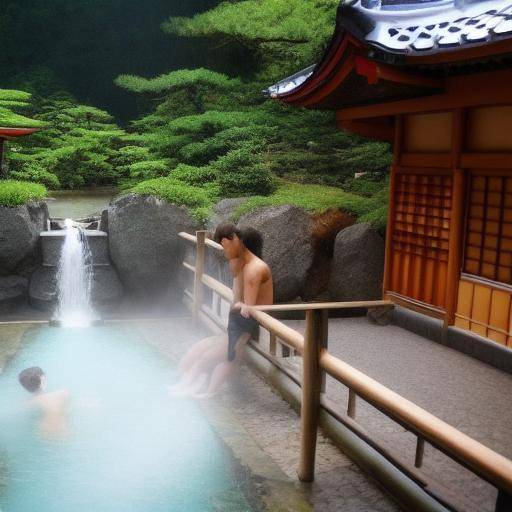
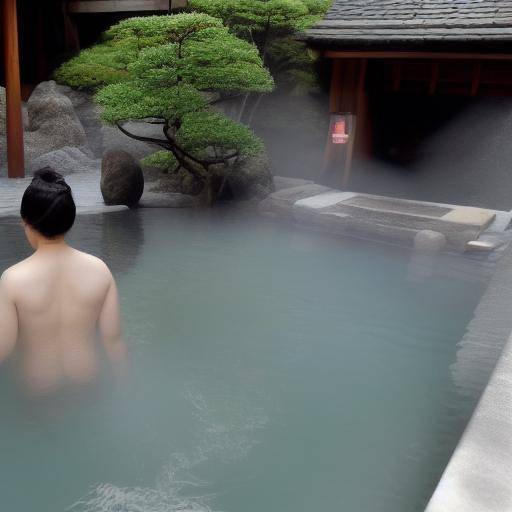
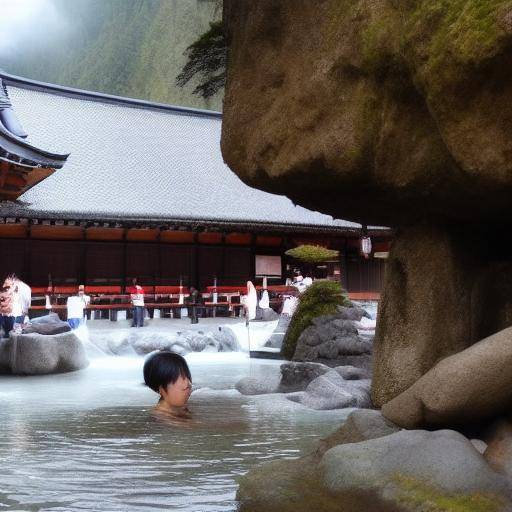
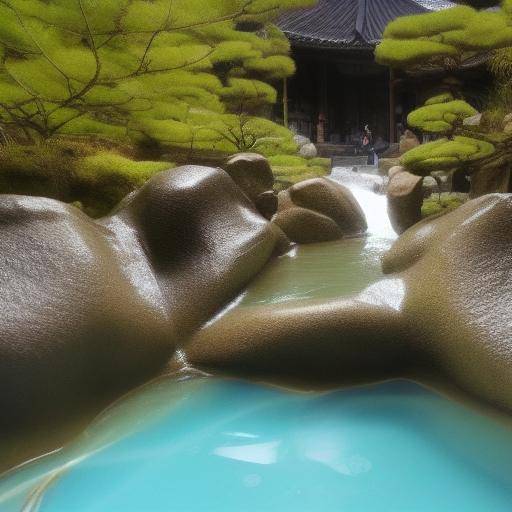
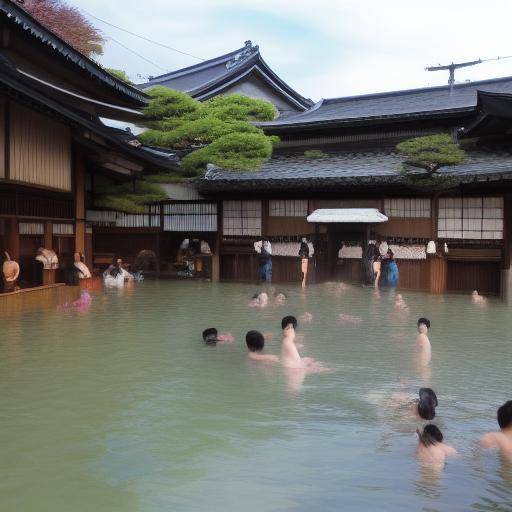
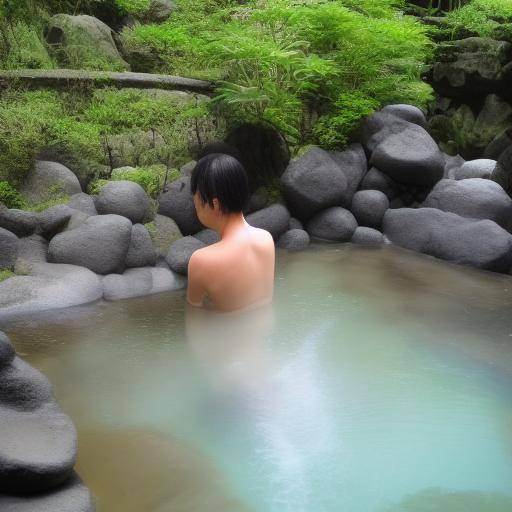
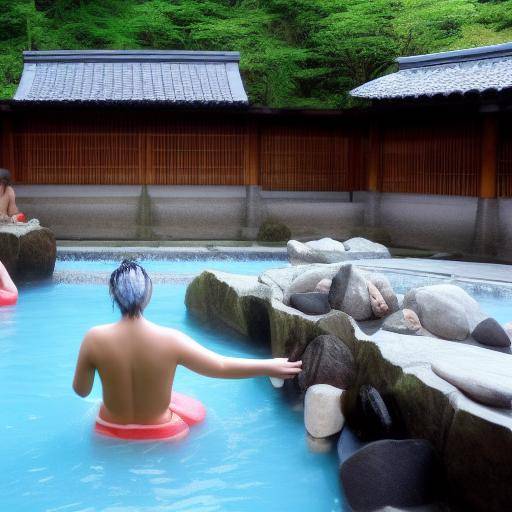
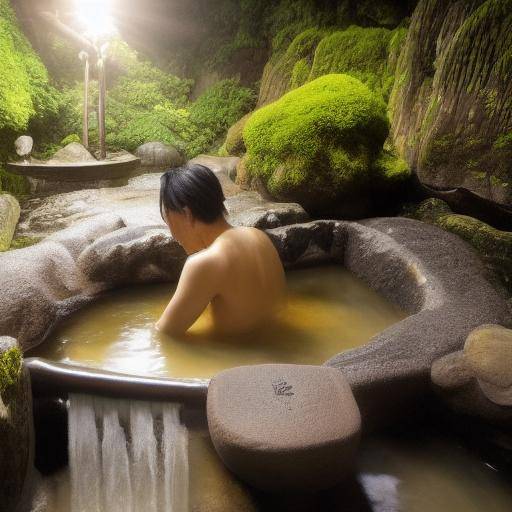
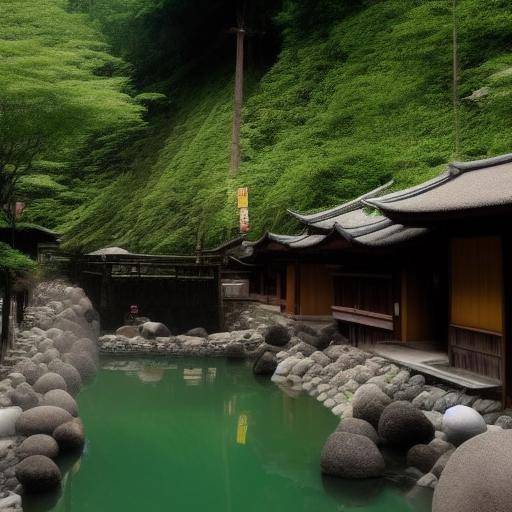
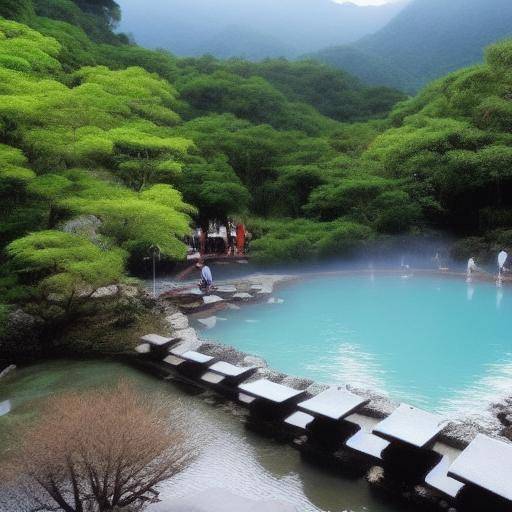
The "onsen" is an integral part of Japanese culture since time immemorial, and its evolution towards modernity and the incorporation of technology have elevated this practice to new heights. In this article, we will thoroughly explore the fusion of tradition and technological advances in modern onsen, analyzing its history, benefits, challenges, applications today, future trends and much more.
History and Background
The ancestral concept of the onsen dates back centuries, rooted in the rich history of Japan. Natural thermal sources were considered sacred places with healing properties. Over time, the Japanese developed deep respect for the onsen, making them spaces for relaxation, meditation and healing. Over the years, the popularity of the onsen has grown, becoming a central element of Japanese tourism and culture.
Evolution towards Modernity
With the evolution of modern society, the onsen have experienced significant changes to adapt to contemporary needs and expectations. Modernization has allowed the implementation of advanced technologies in thermal water complexes, improving the visitor's experience through purification, temperature control and service automation systems.
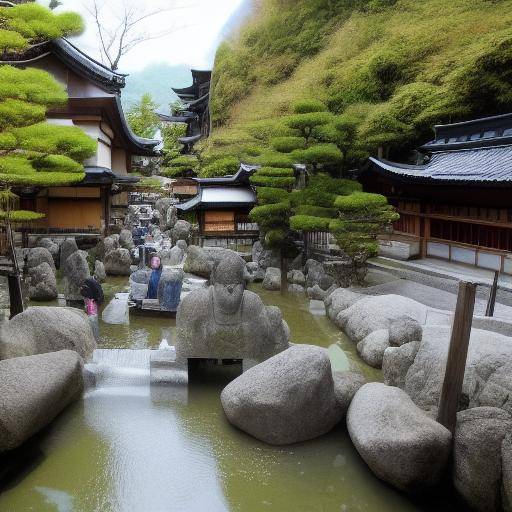
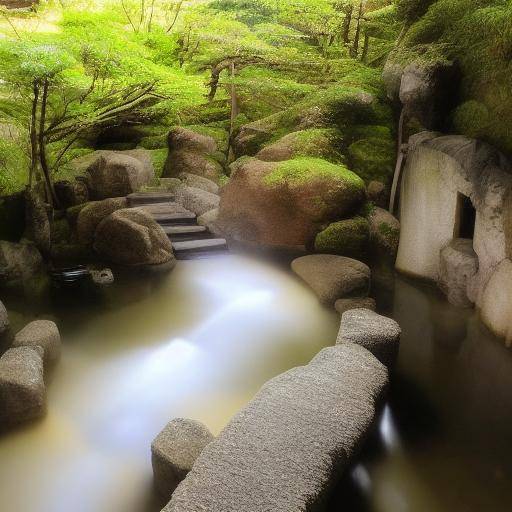
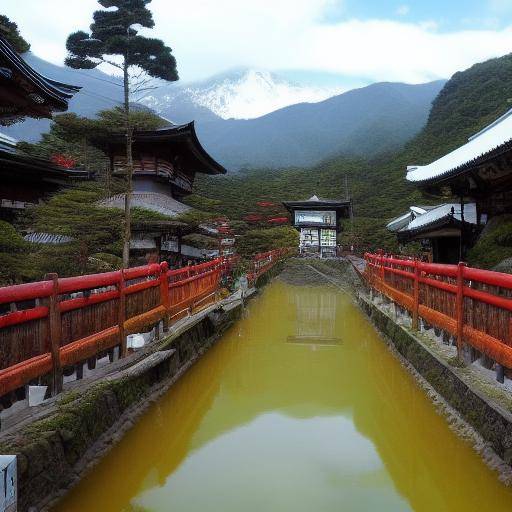
The incorporation of innovative architectural trends and sustainable design has redefined the aesthetic of the onsen, creating spaces of spectacular beauty that are perfectly integrated with the natural environment.
Analysis in Deep
The combination of tradition with technology has generated a number of significant benefits for modern onsen. These include greater control of water quality, optimization of natural resources, operational efficiency and improvement of the overall user experience. Even so, this advancement is not without challenges, such as the need to maintain a balance between cultural authenticity and technological innovation.
Comprehensive review
Modern onsen covers a wide range of applications today, from luxury spas to medical therapeutic facilities. This diversity presents opportunities to explore different approaches and best practices in the design, operation and management of thermal water complexes. In addition, the adoption of advanced technologies, such as virtual reality, robotics and artificial intelligence, is opening new frontiers in the user's experience in modern onsen.
Comparative analysis
By comparing modern onsen with traditional practices, it is clear that the integration of technology has enriched and diversified the supply of services. However, it is essential to preserve the spiritual and therapeutic essence of the onsen that has endured over the centuries. The harmonization of modernity with tradition is a constant challenge that requires a balanced approach to ensure authenticity and innovation.
Practical Tips and Accessible Recommendations
For those interested in immersed in the experience of a modern onsen, it is essential to research and select establishments that align with their individual preferences and needs. In addition, it is recommended to explore options that integrate sustainable technologies and environmental conservation practices.
Industry Perspectives and Expert Reviews
Industry experts have pointed out that modern onsen represents a fertile field for innovation, particularly in terms of well-being and tourism. Technological advances will continue to shape the evolution of onsen, and sustainable practices and digitalization are expected to play a crucial role in the future of this sector.
Case Studies and Real Life Applications
Case studies show eloquent examples of how modern onsen have been successfully implemented in various regions, contributing to local development and cultural enrichment. The economic and social benefits derived from the modernization of onsen have proved to be significant, promoting sustainable tourism and community well-being.
Future Trends and Predictions
The convergence of tradition with technology will continue to define the evolution of the onsen in the future. The integration of innovations such as increased reality, digital customization and environmental intelligence is expected to generate even more enriching experiences for visitors. In addition, the adoption of eco-sustainable practices and the protection of the natural environment will be fundamental pillars in the development of modern onsen.
Conclusion
The harmonious coexistence of tradition and technology in modern onsen represents a vivid testimony of human capacity to innovate without sacrificing the cultural essence. As industry evolves, it is imperative that the fundamental principles of authenticity, respect for the nature and well-being of the human being continue to guide the way for the future of the onsen.
Frequently asked questions
1. What is the difference between a traditional onsen and a modern onsen?
The main difference lies in the integration of advanced technologies, contemporary architecture and the approach to environmental sustainability that characterizes modern onsen, while traditional onsen adhere more strictly to historical practices and designs.
2. How has the technology impacted the experience of the user in modern onsen?
Technology has significantly improved key aspects such as water quality, operational management and service customization, offering visitors a more comfortable, safer and enriching experience.
3. What is the role of sustainable technology in modern onsen?
Sustainable technology plays a crucial role in addressing environmental concerns and optimizing the use of natural resources, contributing to the long-term conservation of the onsen and their environment.
4. What are the emerging trends in the modern onsen industry?
The main trends include the adoption of emerging technologies such as increased reality, welfare-centred attention, respect for cultural authenticity and a greater focus on sustainability.
5. How can a visitor choose a modern onsen that aligns with their preferences?
It is important to investigate onsen's services, infrastructure and environmental practices, as well as to consider options that incorporate innovative technologies that improve user experience.
6. What is the socio-economic impact of modern onsen in local communities?
Modern onsen have proven to be sustainable tourism engines, generating economic opportunities and preserving the cultural heritage of local communities where they are established.
With these aspects in mind, it is clear that the evolution of modern onsen as a balanced synthesis of tradition and technology offers a fascinating field of study and an enriching experience for those seeking timeless beauty in perfect harmony with the innovation of the future.