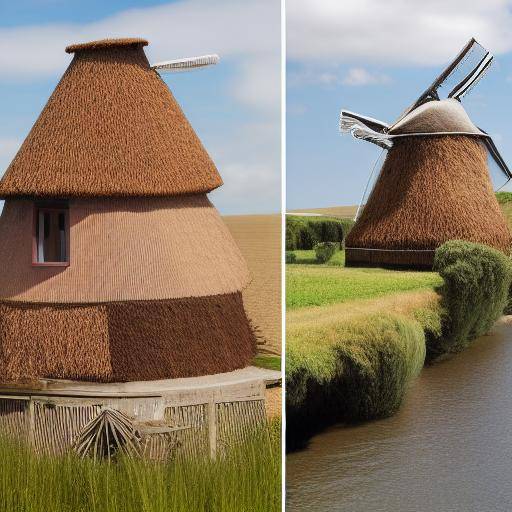
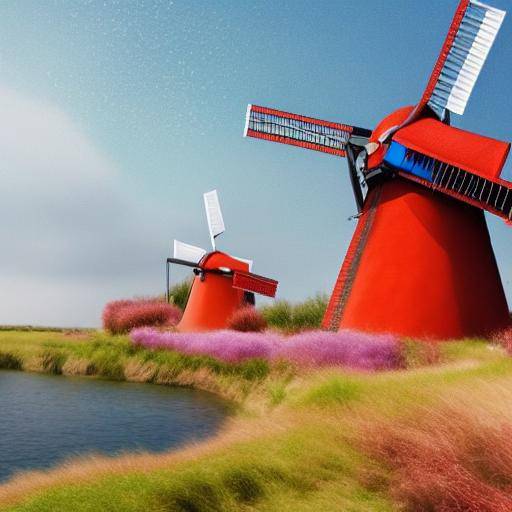
Windmills have been an integral part of the history of humanity, marking a milestone in the evolution of technology and playing a significant role in history. From its humble origin to its impact today, the history of windmills is a fascinating story that deserves to be explored.
Introduction
The windmills, which evoke images of rural landscapes and picturesque aspects, are actually a relevant sample of technology throughout history. In this article, we will explore the evolution of windmills from their first appearances in ancient times to their presence in modernity. We will discover its impact on history, contributions to technology and relevance today. Join us on this journey through time and innovation.
History and Background
The history of windmills dates back to ancient times, where its use as a source of energy to grind grains or pump water marked a turning point in the development of society. It is believed that the first windmills arose in Persia around the seventh century. These pioneering devices spread across Asia, Europe and Africa, contributing to the advancement of agriculture, industry and civilization in general.
Key inventions, such as adjustable sail design and power transmission through gear mechanisms, led to significant improvements in the efficiency and versatility of windmills. During the Middle Ages, windmills were popularized in Europe, becoming an iconic element of their landscape and playing a vital role in the production of flour and water pumping in rural areas.
Analysis in Deep
As technology continued to evolve, the introduction of new engineering techniques and modern materials revolutionized the efficiency and capacity of windmills. At present, windmills have become a key renewable energy source, contributing significantly to the generation of clean and sustainable electricity.
The advances in wind turbine technology have led to the creation of large-scale wind farms, both on land and at sea, capable of feeding entire communities with green energy. This phenomenon represents a crucial milestone in the use of wind energy and its impact on modern society, positioning windmills as a fundamental part in the transition to a sustainable future.
Comparative analysis
Compare windmills throughout history with current technology reveals striking similarities and contrasts. Despite significant advances, the essence of turning kinetic wind energy into a useful form of work has endured over time. This continuity demonstrates the durability and adaptability of windmill technology over the centuries, as well as its potential to evolve and prosper in the modern world.
Practical Tips and Accessible Advice
For those interested in integrating windmill technology into contemporary environments, it is vital to understand the practical and economic considerations surrounding its implementation. From the selection of the ideal location to the assessment of the financial viability, the successful adoption of windmills requires a strategic and diligent approach. The expert selection of equipment, maintenance and optimization will ensure optimal performance and positive acceptance in the community.
Conclusion " Frequently Asked Questions
In short, the evolution of windmills from their conception in antiquity to their current relevance is a testimony of human ingenuity and the continual adaptation to the energy needs of society. Deepening in history and exploring technological possibilities, windmills represent a milestone of innovation that transcends generations, cultures and geographies. Their importance in agriculture, industry and sustainable energy generation makes them an emblem of progress and sustainability. The impact of windmills, both in the past and in the present, invites us to reflect on the potential of ancient technology to inspire modern solutions.
To answer the common questions about windmills, technology and history, here are some of the most frequent queries:
1. What is the story of windmills and their evolution?
- Windmills have a millennial origin, dating back to ancient civilizations such as Persian and Chinese. Its evolution has been characterized by improvements in design, efficiency and application, from its original use to grind grain or pump water to the generation of electricity today.
2. What is the role of technology in the operation of modern windmills?
- Technology plays a key role in optimizing and controlling current windmills. Advanced monitoring systems, control algorithms and innovative materials are just some of the areas in which technology has improved the performance and reliability of modern windmills.
3. What are the benefits and challenges of integrating windmills into renewable energy generation?
- The benefits of windmills as a renewable energy source include reducing greenhouse gas emissions, generating local employment and diversifying the energy matrix. However, challenges include wind variability, social acceptance and local environmental impacts.
4. What is the impact of windmills on the economy and the environment?
- The implementation of windmills entails economic benefits, such as job creation and the diversification of energy sources. In environmental terms, windmills contribute to the reduction of the carbon footprint and the preservation of natural resources.
5. What are future trends in windmill technology?
- Future trends in windmill technology point to innovation in the design of more efficient turbines, the development of energy storage systems and intelligent integration into modern electrical networks.
6. What can we learn from the history and evolution of windmills to address current energy challenges?
- The history of windmills teaches us the importance of continuous innovation, adaptation to local conditions and harmonious integration of technology in the environment.
In conclusion, the history of windmills, their influence on technology and their role today give us valuable lessons on the ability of innovation to transform not only our practices and tools, but also our relationship with the environment. Their legacy remains a reminder that past solutions can continue to inspire a sustainable and efficient future.