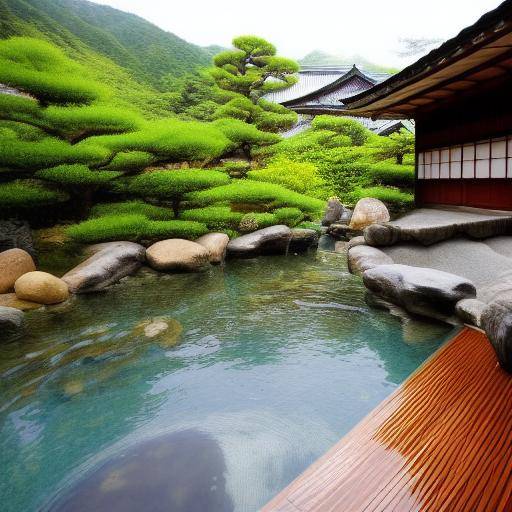
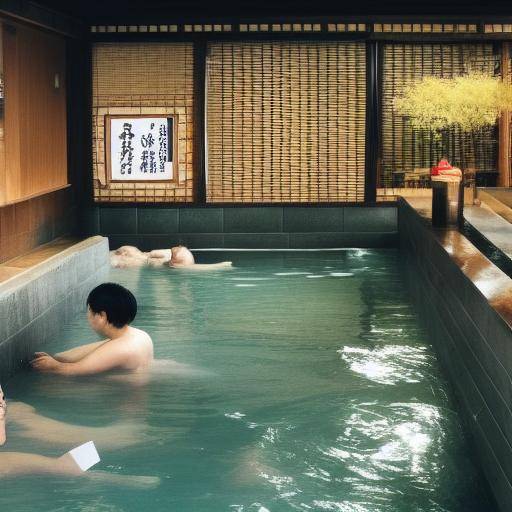
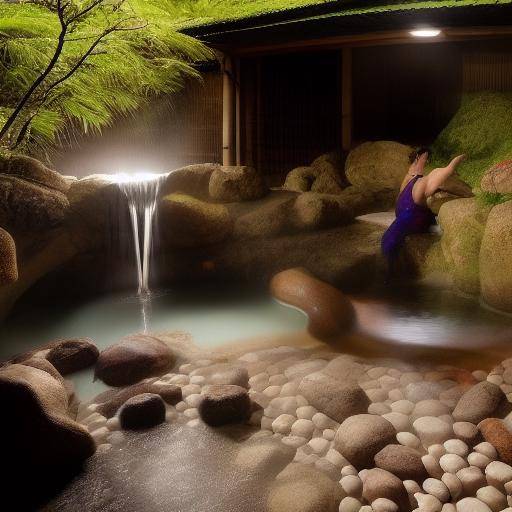
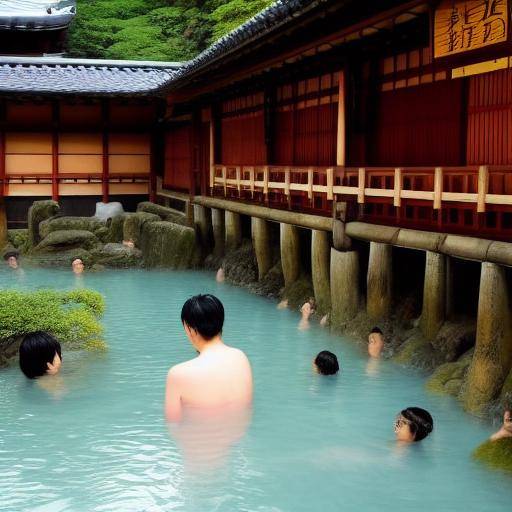
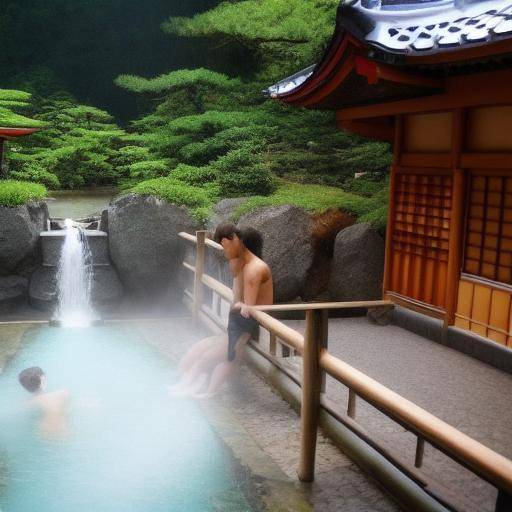
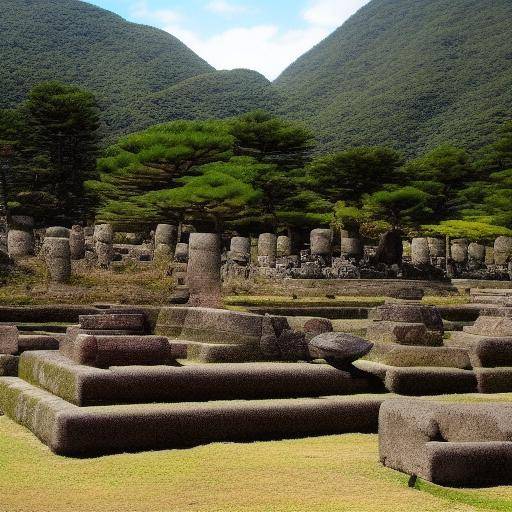
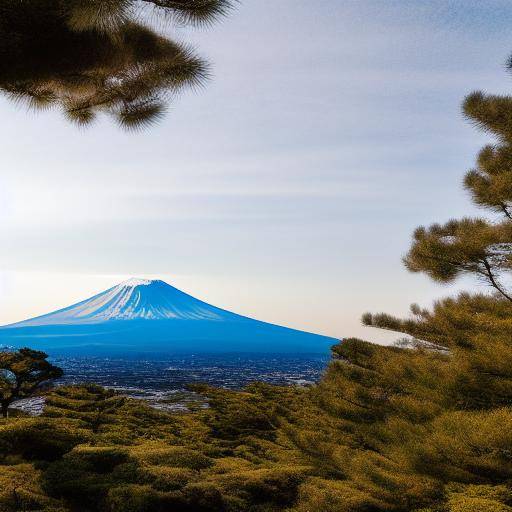
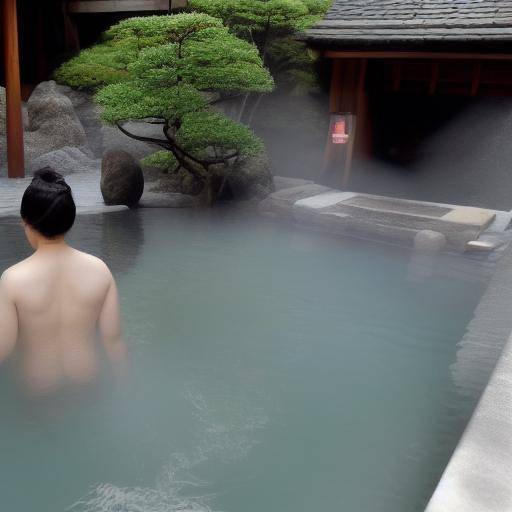
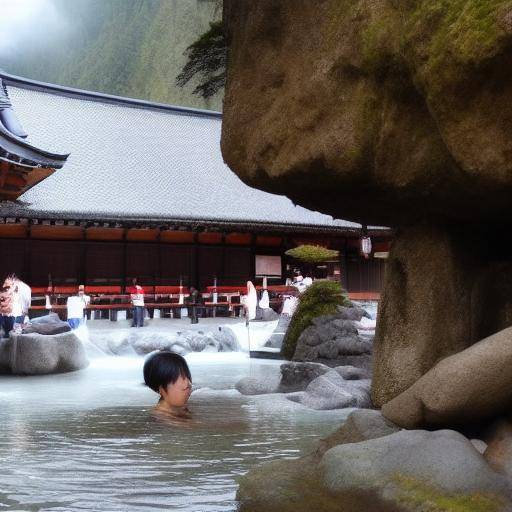
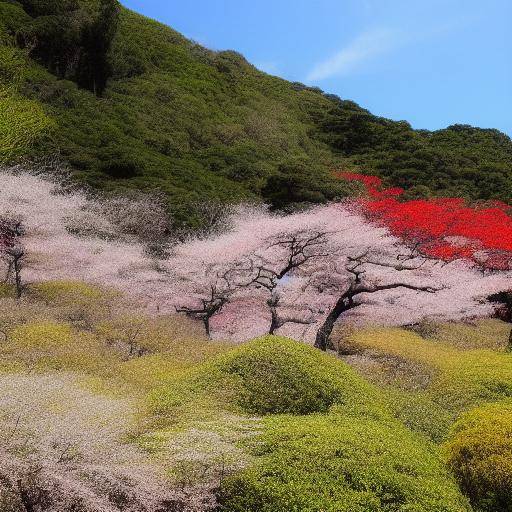
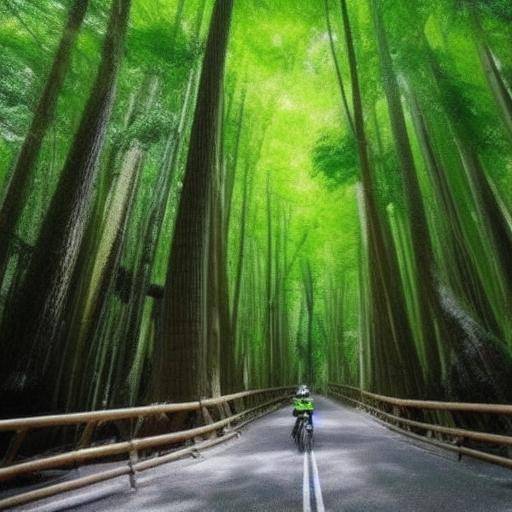
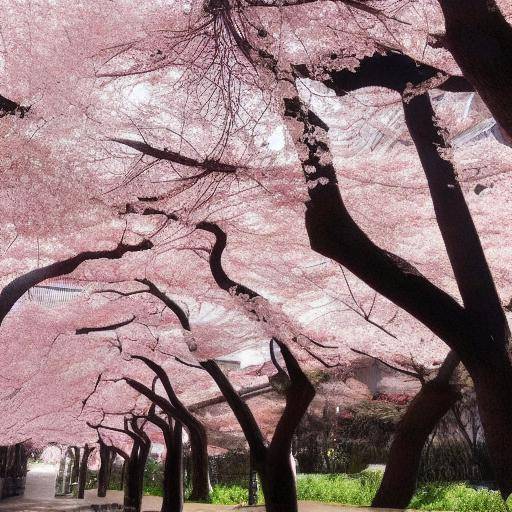
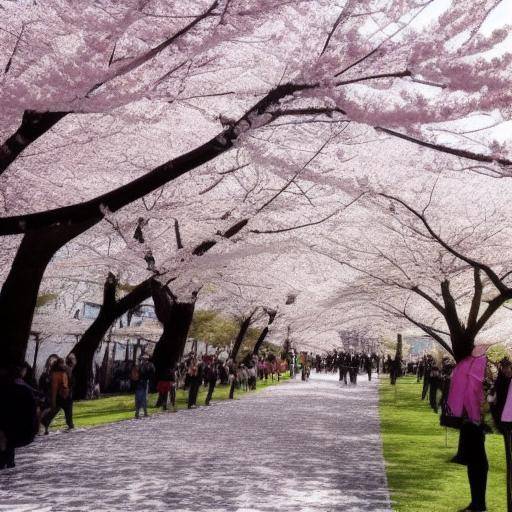
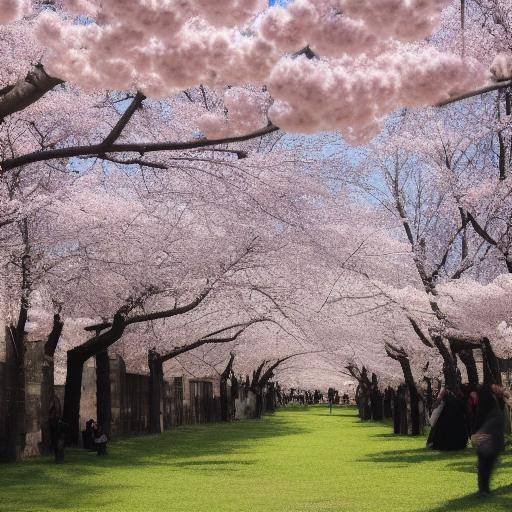
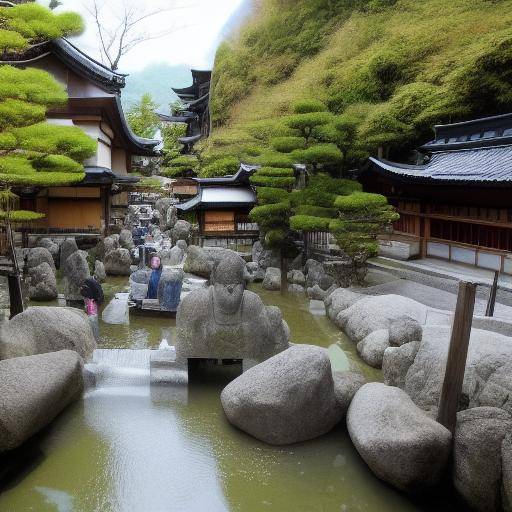
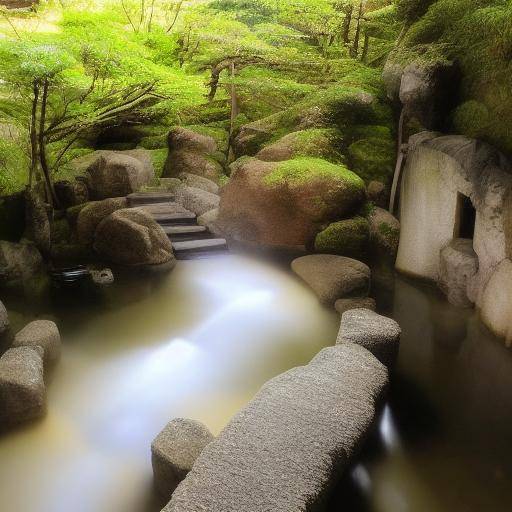
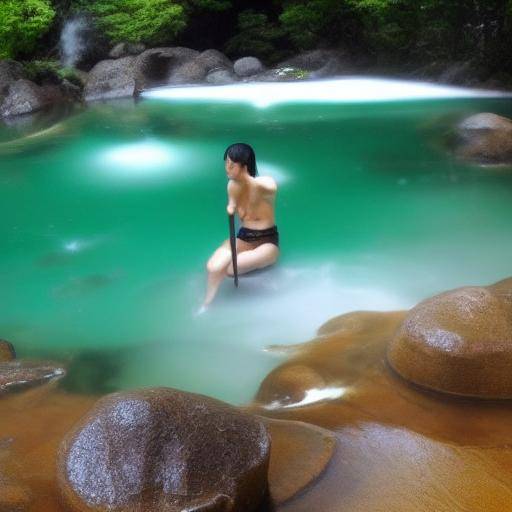
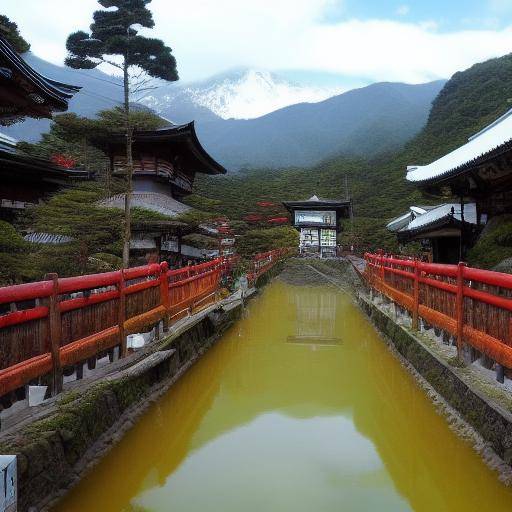
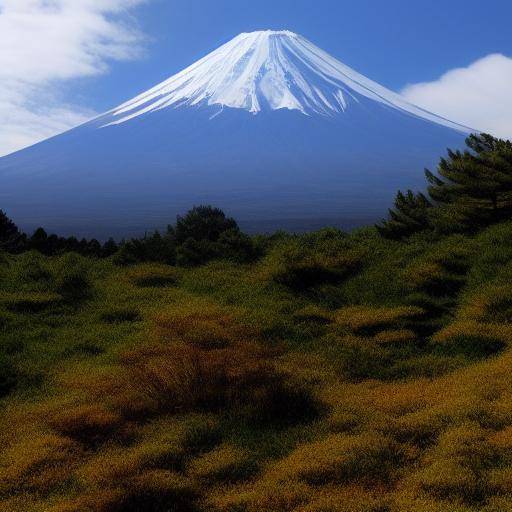
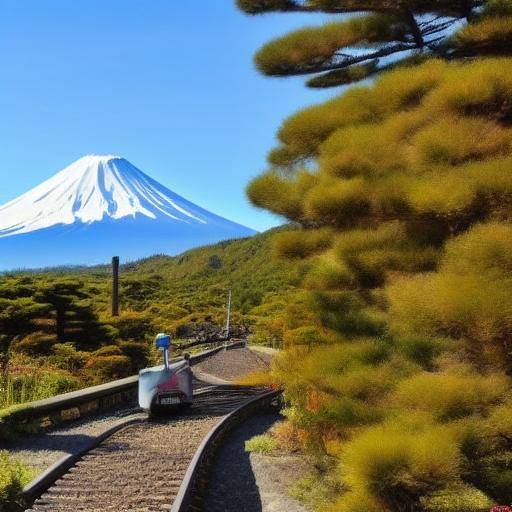
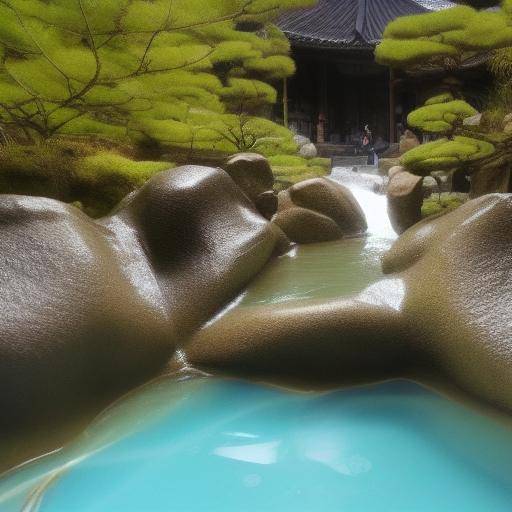
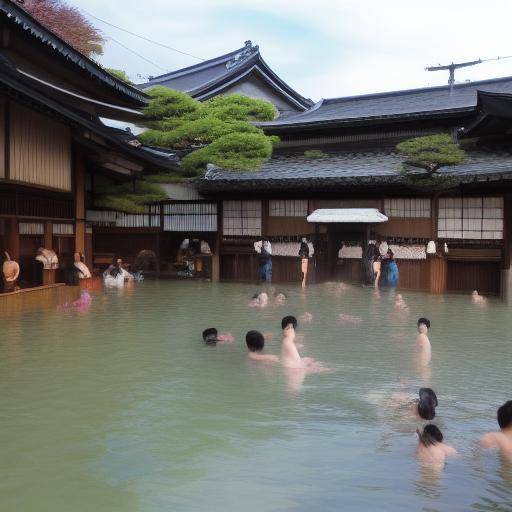
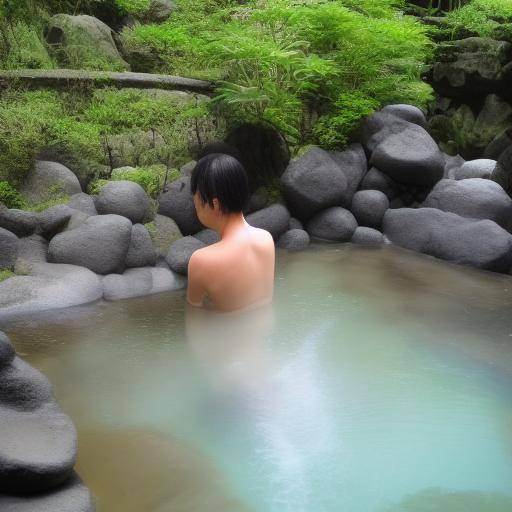
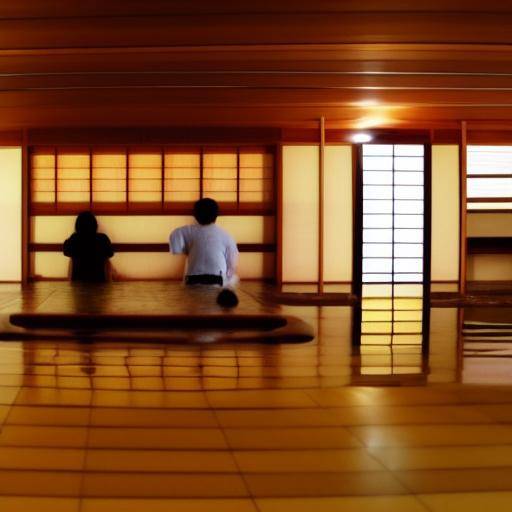
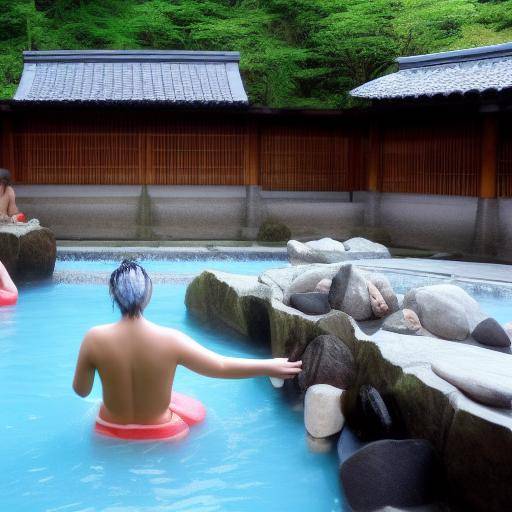
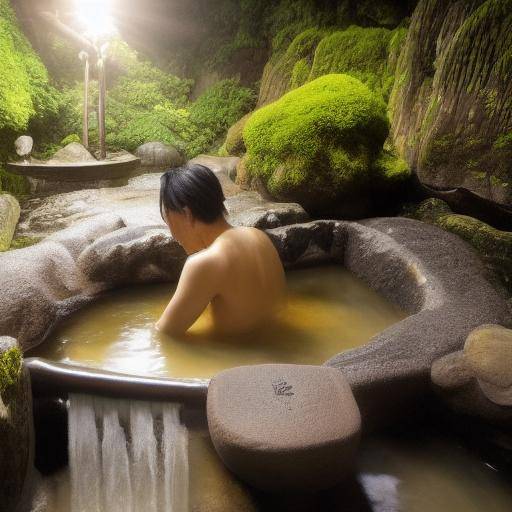
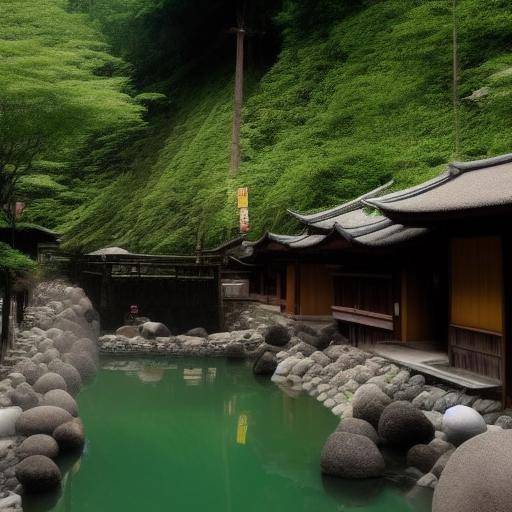
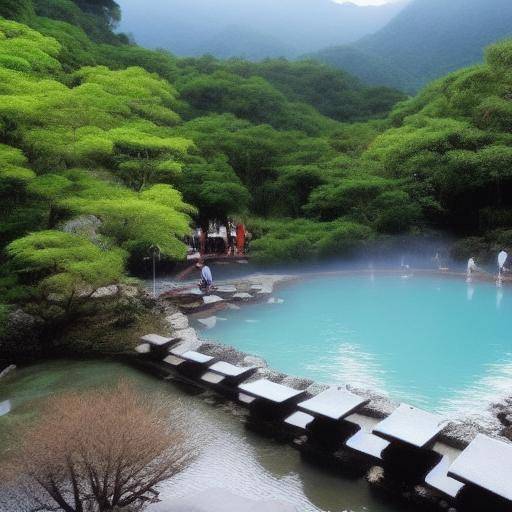
Today, Japan has become a tourist destination not only for its modernity, but also for its deep connection with nature and tradition. One of the most emblematic elements of this union between the contemporary and the ancestral are the onsen, the famous thermal waters of Japan. These spaces not only offer serenity and relaxation, but also represent an ideal opportunity to capture the beauty of Japanese nature and culture through photography. In this photographic guide, we will thoroughly explore the experience of the Japanese onsen and how we can immortalize their serenity through our photographs.
Introduction
Japan is a country known for its contrasts. From the bustling Tokyo metropolis to the most serene corners of its natural landscapes, the country offers a unique experience that combines modern and traditional. The onsen, natural thermal waters with healing properties, have been an integral part of Japanese culture for centuries. Today, these thermal baths not only represent a haven of peace in the middle of the daily hustle, but are also an inexhaustible source of beauty and tranquility that deserves to be captured through photography.
History and Background
The origins of the onsen date back centuries, when the thermal waters were considered sacred by Japanese culture. These places were visited not only for their therapeutic properties, but also for their spiritual value. Over time, the onsen became places of rest and relaxation, and their popularity grew both among locals and among foreign visitors.
Historical records show that the thermal baths have been a fundamental part of the Japanese lifestyle since time immemorial. During the Edo period, the onsen were highlighted as rest destinations for samurai and travelers. At present, the onsen are appreciated for their ability to relieve stress and promote harmony between the body and the mind.
Detailed Analysis
Benefits and Challenges
Onsen offer a wide range of health benefits, including improving blood circulation, muscle relaxation, and stress relief. However, there are also challenges, such as adapting to the cultural norms and labels associated with the use of onsen, which can be somewhat intimidating for foreign visitors.
Applications and Best Practices
Onsen photography presents its own set of challenges and opportunities. Natural lighting, traditional architecture and surrounding landscapes provide numerous possibilities to capture unique and evocative images. At the same time, it is crucial to respect the privacy and personal space of other bathers by taking photographs in this intimate environment.
Current Outlook and Trends
The onsen have experienced a renewed interest among international travelers in recent years. This trend has led to greater openness and adaptability by onsen establishments, which seek to provide more inclusive and accessible experiences to a global audience.
Comparative analysis
Onsen vs. Photography
The combination of onsen and photography offers a unique opportunity to capture the natural beauty and serenity of Japan. Photography in the onsen requires cultural sensitivity and respect for the environment, which can enrich photographic experience by fostering greater appreciation of local culture.
Onsen vs. Other Experiences in Japan
Compare onsen with other traditional experiences in Japan, such as tea ceremony or bonsai art, reveals similarities in terms of cultural and aesthetic value. However, each experience has unique qualities that deserve to be explored and appreciated independently.
Practical Tips and Recommendations
- Respecting privacy: Before you capture images on an onsen, it is crucial to ensure that you respect the privacy and personal space of other bathers. Discretion and respect are fundamental when photographing in intimate environments such as thermal baths.
- Taking advantage of natural illumination: Natural light in the onsen can be exceptionally beautiful. Find moments when sunlight leaks through the windows or between the surrounding vegetation, creating scenes of great visual beauty.
- Focus on architecture: Many onsen are located in traditional Japanese buildings, which provides the opportunity to capture the architectural beauty and unique details of the construction.
- Explore surrounding landscapes: Onsen are usually located in stunning natural environments. Take the opportunity to capture the beauty of the surrounding landscapes, such as mountains, rivers or forests.
Research and Views of Experts
According to travel photography experts, the onsen offer a visually rich and dynamic environment for image capture. The combination of natural elements, traditional architecture and people immersed in the serenity of thermal waters creates an ideal setting for artistic photography, as long as it is done with respect and cultural sensitivity.
Case Studies and Real Life Applications
Photographer Kenji Tanaka, specializing in photography of natural and cultural landscapes in Japan, highlighted the importance of harmonisation between photography and local culture. Tanaka has managed to capture the essence of the onsen in a way that not only enhances its beauty, but also respects the intimacy and experience of the bathers.
Future Trends and Predictions
As more international travelers are interested in Japanese onsen and culture in general, photography in the onsens is expected to become more relevant. Photographers will seek new creative approaches to capture the essence of these spaces, while onsen establishments will seek to balance the preservation of privacy with greater openness to photographic opportunities.
Conclusions and FAQs
Conclusion
The Japanese onsen offer a unique experience that combines relaxation, history and tradition. Through photography, it is possible to capture the serenity and beauty of these spaces in a respectful and aesthetically enriching way. When approaching photography in onsen with cultural and ethical sensitivity, we can bring home images that not only reflect the magic of this experience, but also honor its authenticity and cultural significance.
Frequently asked questions
Is it appropriate to take photographs on an onsen?
While some onsen establishments allow photography in designated areas, it is crucial to respect the privacy and comfort of other bathers. Before taking photographs, make sure you know and respect the rules and norms of the place.
What equipment is suitable for photographing in an onsen?
Compact and discrete equipment is ideal for photographing in intimate environments such as onsen. A camera capable of capturing high-quality images in variable lighting conditions will be a great tool.
What is the best time of the day to photograph in an onsen?
Early morning or evening often offer a soft and beautiful light that enhances the peaceful atmosphere of the onsen. However, every moment of the day presents unique opportunities for photography, so it is advisable to explore different schedules.
How can I make sure to capture the essence of the onsen experience through my photographs?
In addition to capturing visual beauty, it is important to look for authentic and meaningful moments that reflect the tranquility and connection with nature that characterize the onsen experience. Observing gestures, expressions and general atmosphere can help to convey the authenticity of experience.
What should I take into account when sharing my onsen photographs on social networks or online platforms?
By sharing photographs of the onsen, it is essential to respect the privacy of other bathers and to maintain a sensitive attitude towards Japanese culture and traditions. It considers including a respectful context or a brief description that reflects the experience in an appropriate manner.
What are some distinctive elements I can capture in onsen photographs?
The distinctive elements of the onsen include traditional architecture, surrounding vegetation, natural lighting and details that reflect the connection with nature. Observing and highlighting these elements can enrich the images and convey the unique essence of this experience.
By exploring the Japanese onsen and their photographic potential, we can discover a deep connection between the serenity of these spaces and the ability of photography to capture their beauty in an authentic and respectful way. This photographic guide seeks to inspire photographers to explore these places with cultural and aesthetic sensitivity, thus enriching both their photographic practice and their understanding of Japanese culture.