Introduction
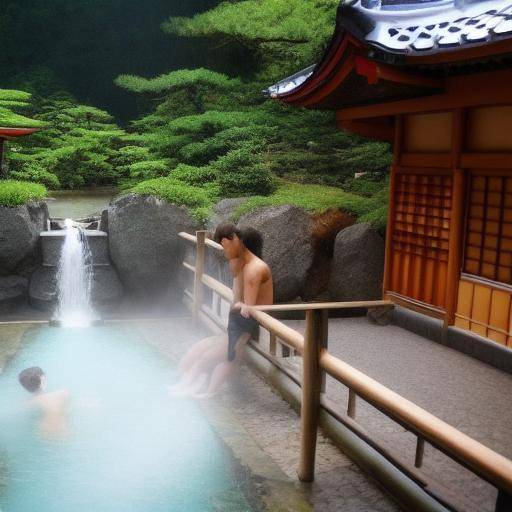
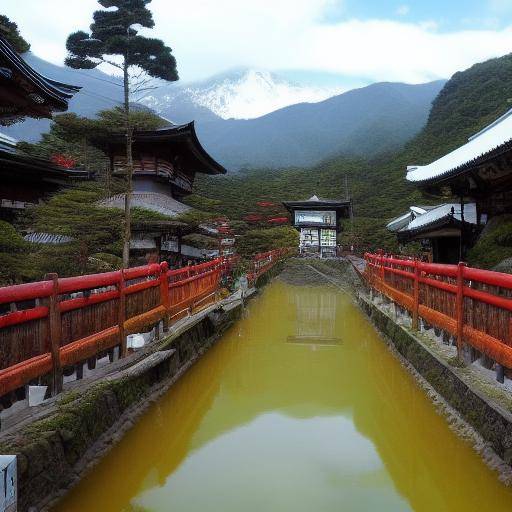
Since time immemorial, the thermal baths, known as "onsen" in Japan, have been a fundamental pillar of Japanese culture. These natural baths have played a crucial role in the daily life and customs of the Japanese population, with long-standing rituals and traditions that transcend generations. In this article, we will explore in depth the rituals and customs associated with Japanese onsen, as well as their connection to Japanese culture. We will discover history, cultural importance, health benefits, traditional rituals, and contemporary aspects of the onsen, offering a complete vision of this integral part of Japan.
History and Background
The waves, or thermal waters, have a rich and fascinating history dating back centuries. During the Edo period in Japan, the onsen were not only used to bathe, but also considered sacred places of purification. The samurai warriors, for example, used them to recover after the battles, and the monks regarded them as centers of spiritual and physical healing.
Over time, the onsen became spaces of relaxation and social encounter. The Japanese began to appreciate the therapeutic benefits of these natural waters and unique customs and rituals developed around them. The onsen became so popular that today they are an indissoluble part of Japanese culture.
Analysis in Deep
Onsen not only offer therapeutic health benefits, but also play a crucial role in people's emotional well-being. Numerous studies have shown that plunging into thermal waters can relieve stress, improve blood circulation and relieve muscle and joint pains.
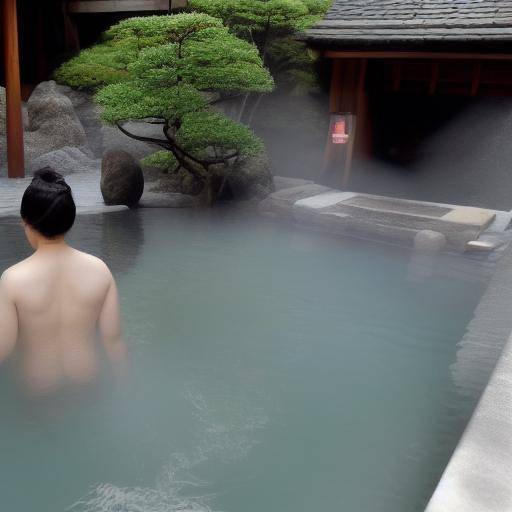
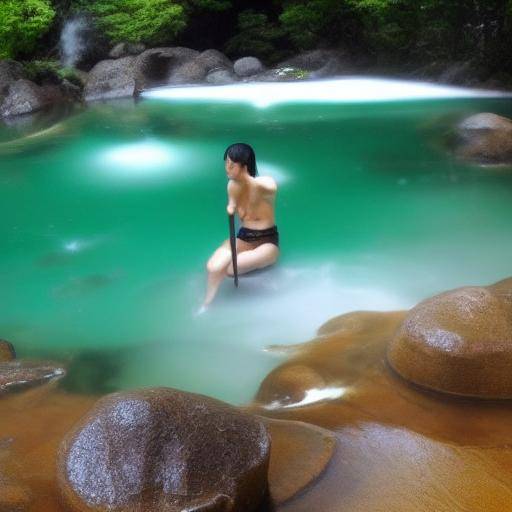
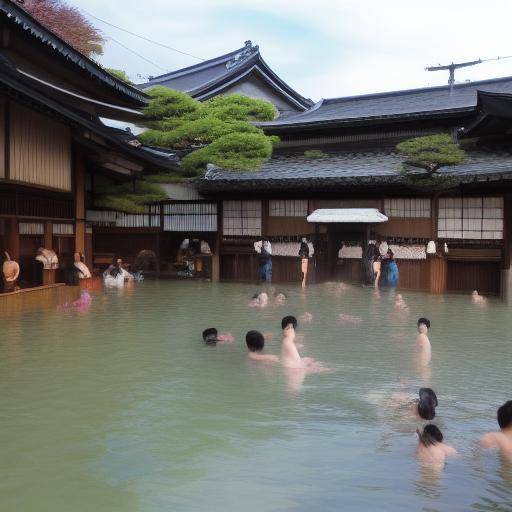
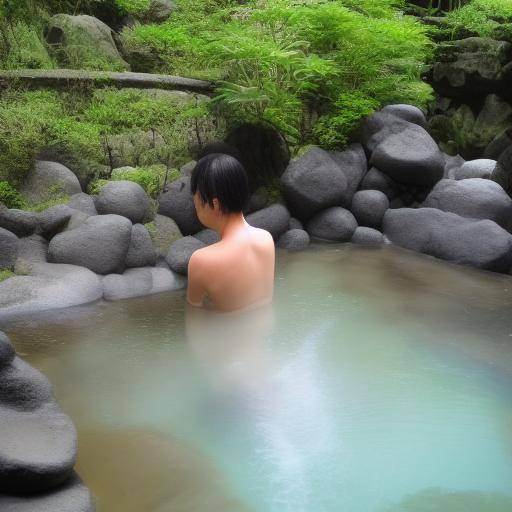
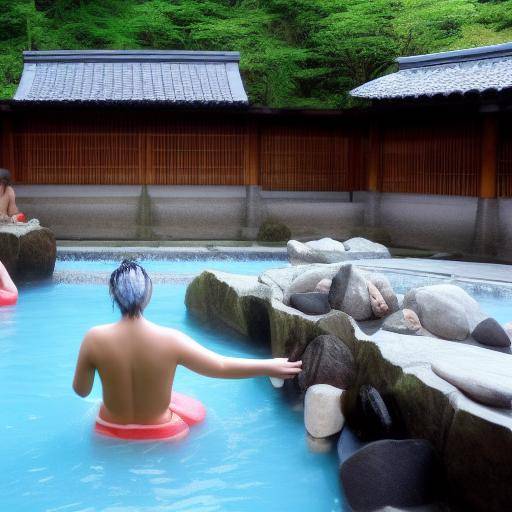
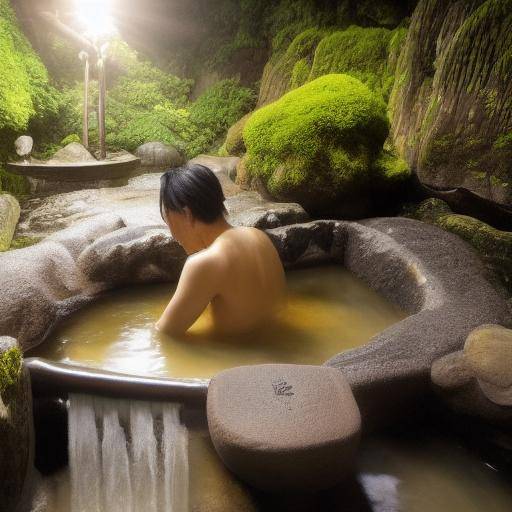
In addition, the rituals surrounding the onsen bath have a profound cultural significance. Before diving into the waters, visitors should completely wash the body to purify themselves. This cleansing act is not only physical, but also a spiritual purification. Later, participants in the onsen dive into the hot waters while enjoying the company of friends and family, strengthening social ties. It is a moment of relaxation and reflection, where the tensions of day to day are dissipated.
Comprehensive review
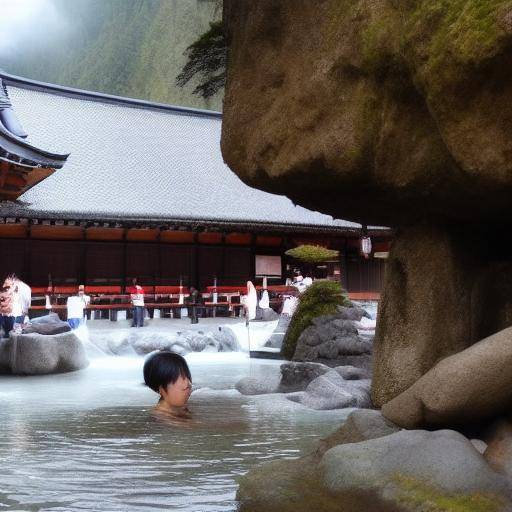
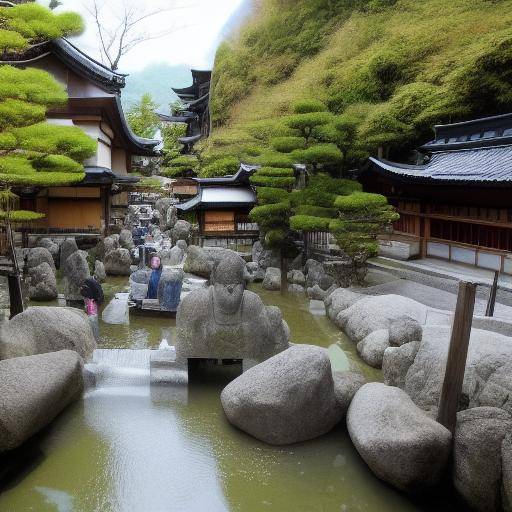
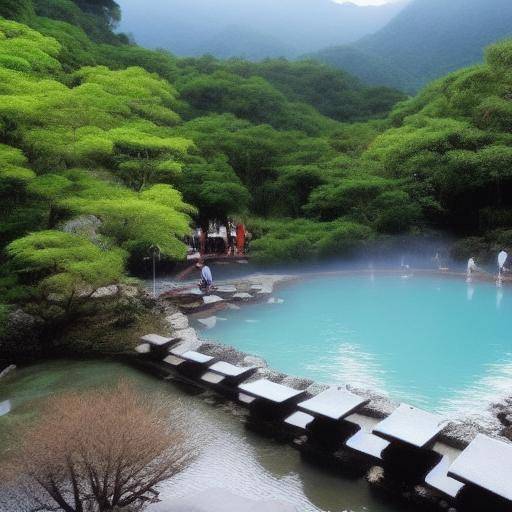
The onsen have become very popular tourist destinations in Japan, attracting visitors from around the world in search of a unique experience. Onsen establishments not only offer the tranquility of their thermal waters, but also provide accommodation, traditional gastronomy and many times breathtaking views of the surrounding nature. The full experience of an onsen is a combination of relaxation, renewal and connection with Japanese nature and culture.
Comparative analysis
The practice of the thermal baths is not exclusive to Japan, but the rituals and customs surrounding the onsen are unique in many respects. While in other countries they focus more on the therapeutic benefits of thermal waters, in Japan the experience in an onsen is a balance between the physical, the spiritual and the social.
Practical Tips and Accessible Tips
When you visit an onsen in Japan, it is important to respect rituals and customs. Before entering the thermal waters, be sure to properly wash and follow the label rules of the establishment. Moreover, it is essential to bear in mind the importance of moderation and respect for other visitors.
Ideas and Industry Reviews
The onsen have a significant impact on Japan's tourism and play a key role in the local economy. The preservation and promotion of onsen are fundamental to keeping tradition alive and attracting national and foreign visitors.
Case Studies and Practical Applications
A remarkable example is the prefecture of Oita, famous for its numerous onsen. This region has taken advantage of this distinctive feature to develop thermal tourism and promote well-being through its thermal waters. In addition, the hotel industry has incorporated the onsen as an additional attraction for its guests, which has contributed to a greater tourist flow.
Future Trends and Predictions
In the future, the onsen are expected to remain a relevant tourist attraction in Japan. With an increasing focus on well-being and health, the onsen are reinventing to attract a wider audience. In addition, the onsen market is likely to expand globally, attracting more international visitors in search of unique and authentic experiences.
Conclusion
The Japanese onsen are a unique essence of the culture and tradition of the country, rooted in philosophically significant rituals and rooted in health and well-being benefits. Its cultural importance and its impact on tourism in Japan are undeniable. In exploring the rituals and customs of the Japanese onsen, an integral facet of Japanese culture is revealed that continues to captivate those who seek a deep connection with nature and history.
Frequently asked questions
What is the difference between an onsen and a sitting?
The onsens use natural thermal waters, while the seated are public bathrooms that use regular hot water or artificially heated.
Is it compulsory to bathe naked in an onsen?
Yes, in the vast majority of Japanese onsens it is mandatory to bathe naked. It is a practice rooted in Japanese tradition and culture.
What are the benefits for onsen bath health?
Onsen baths are associated with improved blood circulation, reduced stress, relieved joint and muscle pains, and improved skin health.
What should I take when visiting an onsen in Japan?
Usually, you'll only need to wear a small towel. Many onsens offer toiletries and large towels for use.
Is it appropriate to visit an onsen if I have tattoos?
Some onsens may have restrictions on tattoos due to their association with the mafia in Japan. However, each establishment has its own policies.
What are the best onsens in Japan to visit?
Japan has a lot of prominent onsens, such as Kusatsu Onsen, Beppu Onsen, Hakone Onsen, Dogo Onsen, among others.
In short, the Japanese onsen are much more than simple thermal baths; they represent a deep connection with nature, a rooted tradition and a practice that promotes health and well-being. In exploring these rituals and customs, we discover a cultural wealth that transcends words, leaving a lasting impression on those who seek a genuine experience in Japan.