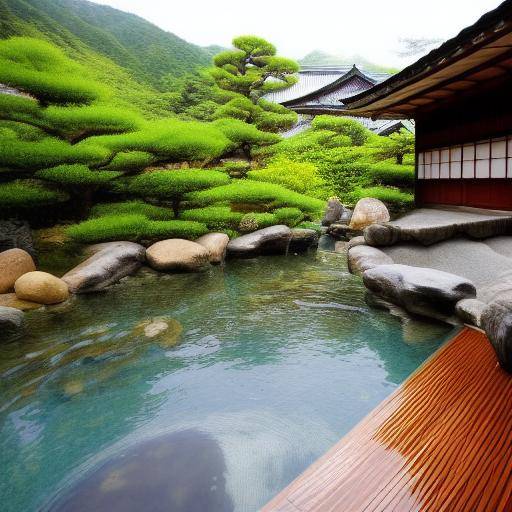
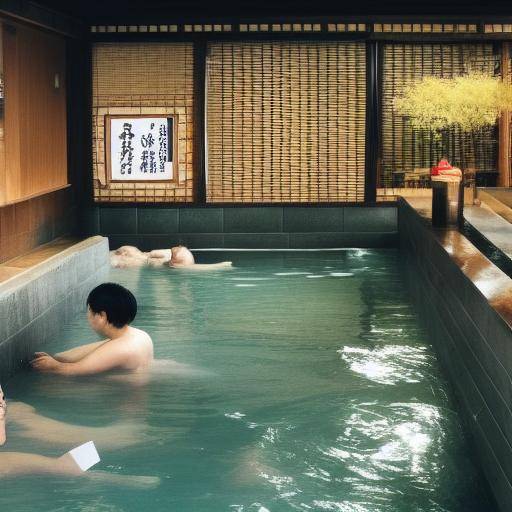
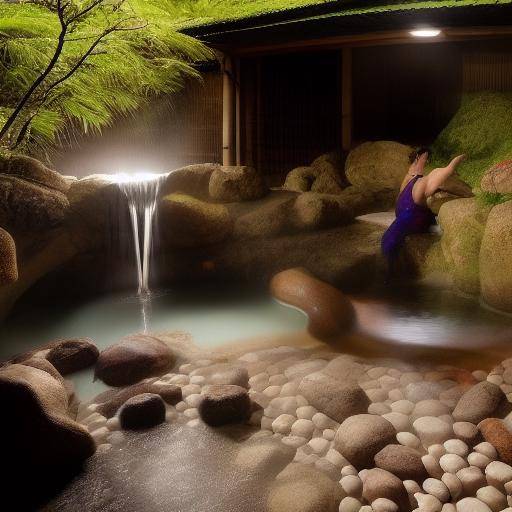
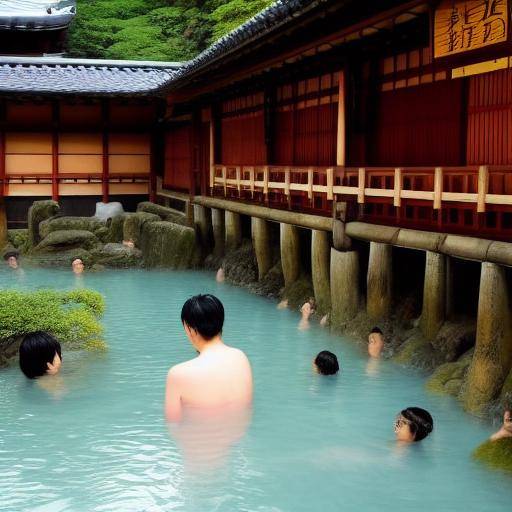
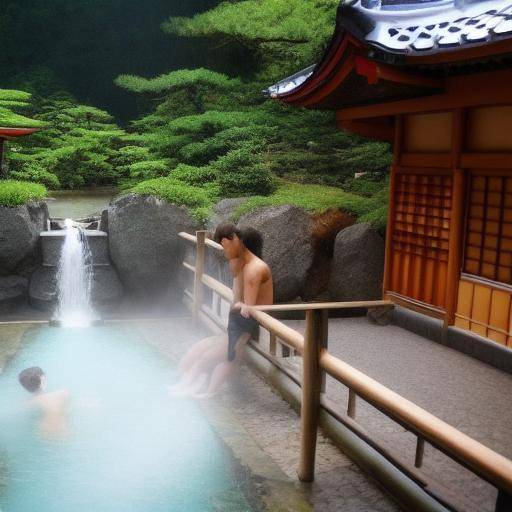
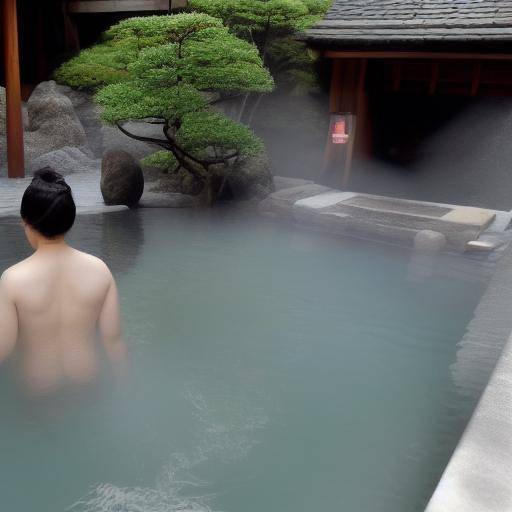
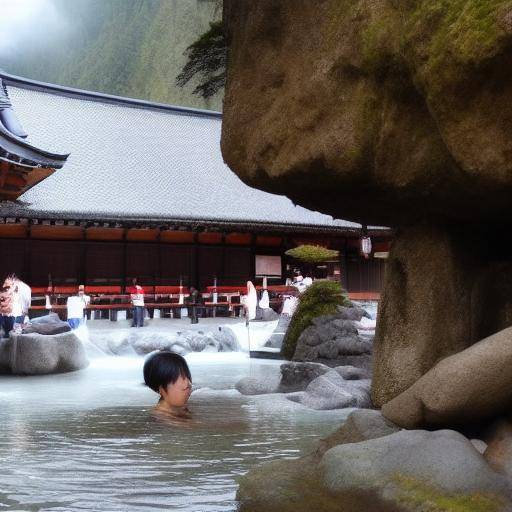
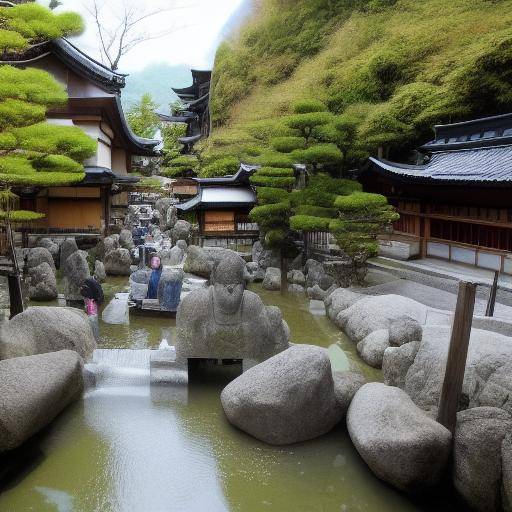
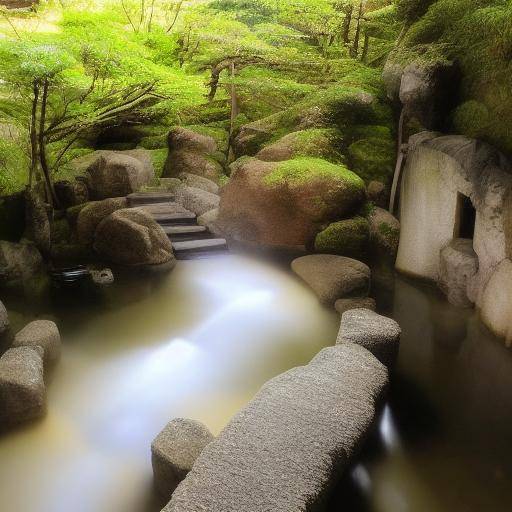
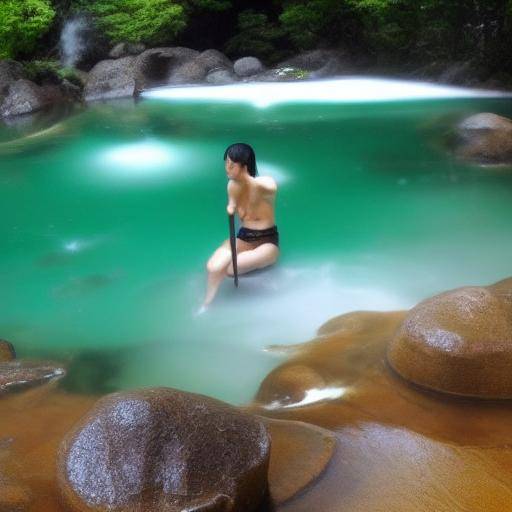
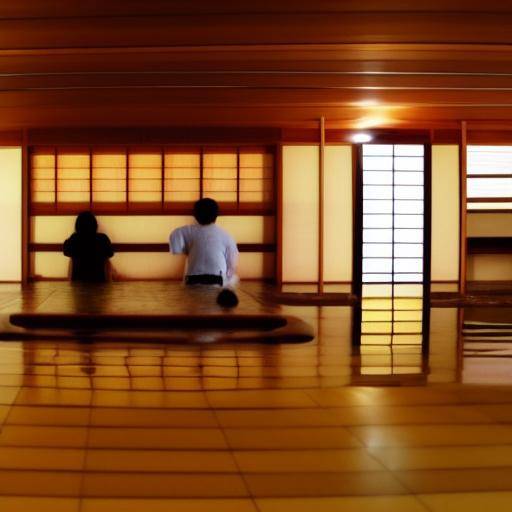
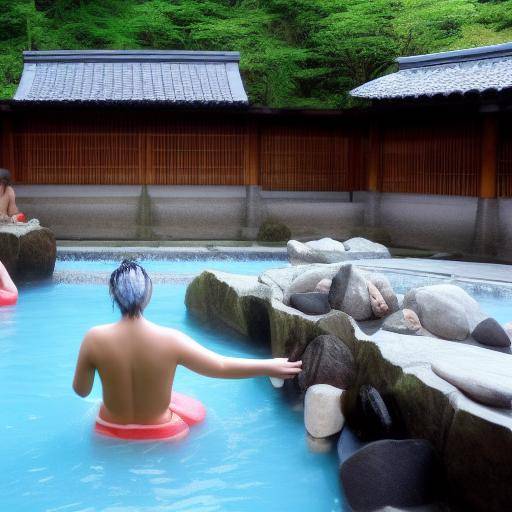
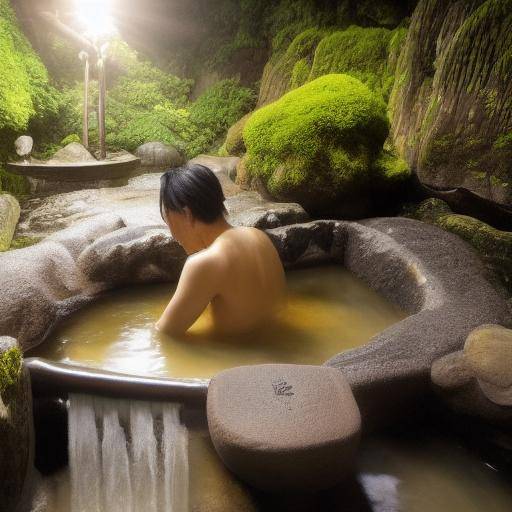
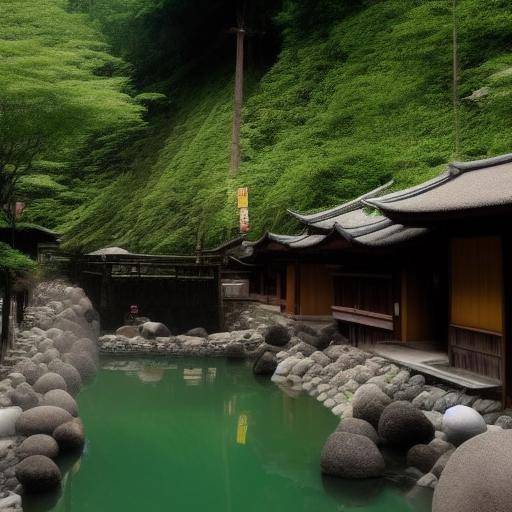
The thermal baths, known as "onsen" in Japanese, have been an integral part of Japanese culture for centuries. These natural hot waters come from geothermal sources and contain minerals that offer a variety of health and well-being benefits. In this article, we will explore in detail the historical origins, health benefits, current trends and the impact on Japan of thermal baths, as well as their relationship with the concept of well-being.
Introduction to the Experience of Thermal Baths
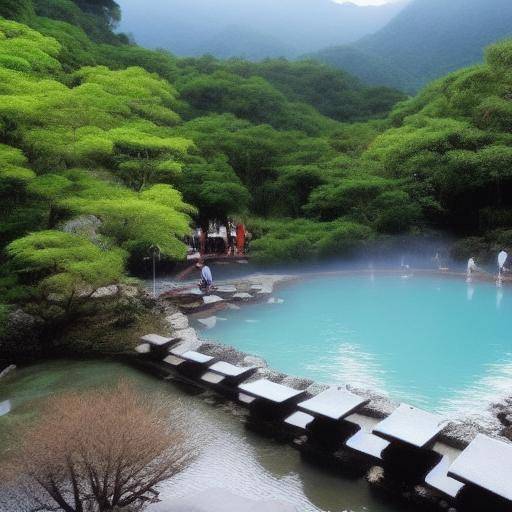
The thermal baths, also known as onsen, represent a unique experience that combines relaxation, connection with nature and therapeutic benefits. Dipping in mineral-rich hot waters while contemplating natural landscapes is a deeply rooted practice in Japanese culture. As we explore the benefits of thermal baths, we will discover that this experience goes beyond mere relaxation and provides real benefits for health and well-being.
History and Background of the Hot Baths in Japan
The thermal baths in Japan have a history dating back centuries, with records dating from the 8th century. During the Edo period, the thermal baths were popularized among the samurai and peasant classes as a form of relaxation and healing. Over the centuries, the thermal baths have become an integral part of Japanese culture, with many cities and towns that have thermal water centers that attract visitors from around the world.
Thermal Baths in Japan
Over the years, the thermal baths in Japan have evolved from simple natural pools to complex thermal water complexes that offer a wide range of services, from outdoor baths to spa treatments. This evolution has helped to position the thermal baths as an important tourist attraction in Japan, attracting national and international tourists in search of a rejuvenating experience.
Benefits for Health and Welfare
The thermal baths offer a variety of health benefits, thanks to the unique composition of mineral-rich thermal waters. These minerals, such as sulphur, magnesium and calcium, have proven to have therapeutic properties that can relieve conditions such as arthritis, improve blood circulation and promote muscle relaxation. In addition, plunging into thermal waters has also been related to reducing stress and improving sleep quality.
For the Japanese, the thermal baths not only represent a means for physical well-being, but also a space for relaxation and connection with nature. This combination of health and well-being benefits has contributed to the lasting popularity of thermal baths in Japan.
Current Trends and Impact in Japan
At present, the thermal baths remain a fundamental part of Japanese culture. In addition to attracting tourists, onsen also play an important role in promoting local tourism in Japan, as many rural areas depend on the income generated by visitors seeking an authentic thermal water experience. In addition, the integration of thermal baths in the well-being and holistic medicine industry has led to a resurgence of interest in the therapeutic benefits of onsen.
Relationship between Thermal Baths, Welfare and Japan
The thermal baths, the concept of well-being and Japanese culture are intrinsically interconnected. The historical and cultural importance of the thermal baths in Japan has influenced the perception of well-being, and the search for balance between mind, body and spirit. This symbiotic relationship is a fundamental part of Japanese identity and its approach to holistic health care.
Deep Analysis of Thermal Baths, Welfare and Japan
The detailed analysis of thermal baths, well-being and its impact on Japan reveals a complex interconnection that goes beyond simple customs or relaxation practices. The combination of mineral-rich thermal waters, attention to well-being and Japanese hospital culture results in a unique experience that resonates in the heart of those who experience it.
Comprehensive Review of Applications and Best Practices
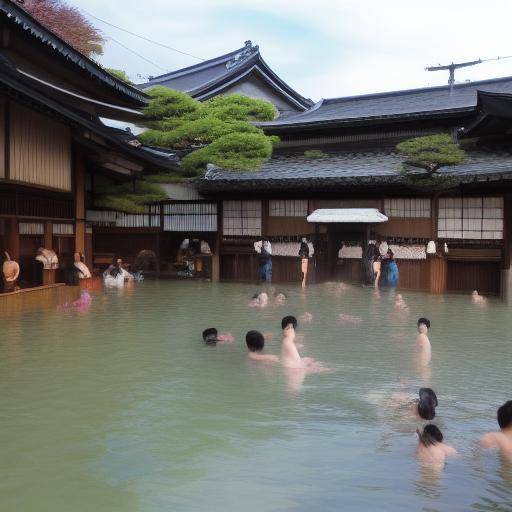
Within Japan, thermal baths are not only considered a tourist attraction, but are also used as an integral part of well-being programs and health treatments. In many thermal water centers, visitors can participate in traditional practices such as "sense" (public bath) and "sake" (beber sake hot before diving into thermal waters) as part of a ritual of purification and relaxation. In addition, in the field of holistic medicine, some spas offer specialized treatments that take advantage of the therapeutic benefits of thermal waters to address specific medical conditions.
Comparative Analysis of the Thermal Baths, Welfare and Japan
Compare the aspects of thermal baths, well-being and Japanese culture reveals a unique dialectics. While the thermal baths focus on physical and mental recovery, the concept of well-being in Japan encompasses a wider range of practices including meditation, balanced diet and nature. However, there is a convergence point in the quest for harmony and balance that underlies both practices, which makes thermal baths perfectly integrated into the Japanese welfare philosophy.
Tips and Suggested Actions
If you plan to experience the wonder of the thermal baths in Japan, these practical tips will help you get the most out of your visit:
- Research different thermal water centers and choose one that suits your preferences, either for their natural environment, traditional architecture or additional services.
- If you have any specific medical conditions, consult a health professional before dipping into thermal waters to make sure it is safe for you.
- Make the most of the traditional Japanese "sense" by immersed in local culture and observing local customs with respect and consideration.
- After enjoying the benefits of the thermal baths, take a while to rest and relax, as the therapeutic effects can continue even after you leave the water.
Industry Perspectives and Expert Reviews
According to experts in the tourism and well-being industry, the thermal baths in Japan will continue to play a crucial role in sustainable tourism and global well-being. The combination of Japanese tradition and current trends in holistic medicine and well-being promises to offer unique and unforgettable experiences for visitors. In addition, it is expected that the integration of thermal baths into well-being programs and holistic treatments will grow in popularity, becoming a vital component of the well-being offer in Japan and beyond.
Case Studies and Real Life Applications
To illustrate the tangible impacts of thermal baths, well-being and their relationship with Japan, we will provide specific examples of how these practices have positively affected people's lives. Through detailed case studies, we will examine how the thermal baths have improved the quality of life of individuals, how they have been integrated into corporate welfare programs and how they have contributed to the flourishing of local communities in Japan.
Future Trends and Predictions
The future of thermal baths, well-being and its impact on Japan promises to continue evolving in an exciting direction. With the growing interest in holistic well-being and sustainability, thermal baths are expected to play an even more prominent role in the tourism industry and health promotion. Emerging trends indicate that visitors will increasingly seek enriching experiences that combine the therapeutic benefits of thermal baths with holistic welfare programs that cover the mind, body and soul.
Conclusions and FAQs
In short, the thermal baths, or onsen, represent a unique experience that has transcended generations and continues to play a vital role in promoting well-being and health in Japan. The combination of therapeutic benefits, contact with the nature and rich cultural heritage of Japan has consolidated thermal baths as an invaluable treasure offering a rejuvenating experience for the body and spirit.
We will answer some frequent questions related to thermal baths, well-being and Japan:
What are the specific benefits of plunging into thermal waters?
Dipping in thermal waters can relieve muscle and joint pains, improve blood circulation, reduce stress and promote general relaxation. The minerals present in the thermal waters also offer skin benefits and can contribute to a sense of general well-being.
What precautions should I take when visiting an onsen?
It is important to follow local norms and respect traditional customs when visiting an onsen in Japan. Before dipping into the hot springs, make sure you completely wash your body in the designated showers and, if you have tattoos, inform about onsen policies, as some establishments may have restrictions.
How to differentiate between the different types of thermal waters?
The thermal waters are classified according to their mineral content and temperature. For example, sulfur waters are known for their distinctive aroma and are believed to offer benefits for the skin, while alkaline waters are considered soft for the skin. Depending on your specific needs, you can choose the type of thermal water that best suits you.
What role do thermal baths play in Japanese culture?
The thermal baths not only offer physical benefits, but also play a crucial role in Japanese culture as places of relaxation, socialization and contemplation. The connection with the nature and practice of ritual purification are also fundamental aspects of the experience of thermal baths in Japan.
What are the best times of the year to enjoy the thermal baths?
The thermal baths can be enjoyed throughout the year, but some seasons offer unique experiences. For example, plunging into outdoor thermal waters during the winter while contemplating snow-covered landscapes can generate a sense of tranquility and wonder.
Is there a specific label that should follow when visiting an onsen in Japan?
When visiting an onsen in Japan, it is important to follow local customs, such as diligently washing your body before dipping into the thermal waters, carrying a small towel to cover you and showing respect for other visitors and the natural environment.
In conclusion, the thermal baths, well-being and their relationship with Japan encapsulate a unique combination of tradition, health and connection with nature. Its lasting impact on Japanese culture and its role in promoting well-being make it a rejuvenating experience that captivates senses and spirit.
This article has explored in detail the benefits of thermal baths, their historical evolution, their relationship with well-being and their impact on Japanese culture. From their therapeutic benefits to their integration into welfare programs, the thermal baths continue to play a vital role in well-being and health in Japan and offer visitors an experience that goes beyond relaxation.
The thermal baths, or onsen, truly represent one of Japan's most beloved natural and cultural wonders, and its legacy will endure as an eternal testimony of the interconnection between nature, health and well-being.
With this enriching knowledge, readers can appreciate more deeply the importance and benefits of thermal baths, as well as understanding their lasting impact on Japanese well-being and culture.