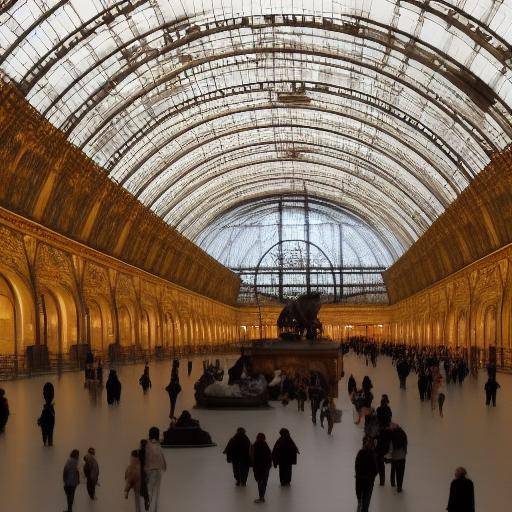
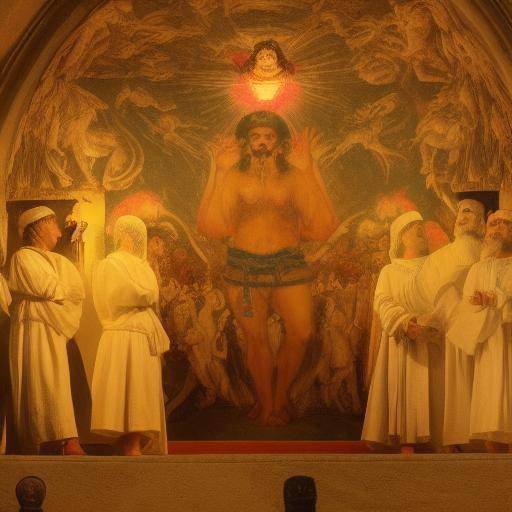
The castles of Transylvania, known for their connection to the legend of Dracula, embody the rich culture and traditions of this region of Romania. Within its walls, rituals and customs have been developed that have lasted throughout the centuries, conveying the essence of transylvania culture. In this article, we will explore in depth the rituals and customs embedded in the castles of Transylvania, offering a fascinating look at its history, its impact on local culture and contemporary practices that remain alive in these enigmatic buildings.
Introduction
The mysticism that surrounds the castles of Transylvania has awakened the curiosity of people from around the world, making them tourist destinations that attract avid visitors to explore the history and legends that surround them. However, beyond their tourist attraction, these castles witness a rich tradition of rituals and customs that have been rooted in the culture of Transylvania. From religious ceremonies to folk festivals, these rituals reflect the identity and spirit of a people whose roots are deeply embedded in history.
To understand the importance of rituals and customs in the castles of Transylvania, it is essential to immerse yourself in your history and explore the evolution of these practices over time. Through this article, we will enter into the rich cultural upholstery that has shaped the rituals in the castles of Transylvania, highlighting its meaning, its influence in the community and its relevance today.
History and Background
Origins of the Castles of Transylvania
The history of the castles of Transylvania dates back centuries, with its beginnings linked to the defense and protection of the lands against invasions and conflicts. These imposing buildings, with their towers and walls, not only embodied the physical strength, but also symbolized the power and influence of those who inhabited them. The first buildings date from the Middle Ages, when princes and nobles erected castles as symbols of their rule over the region.
Ritual Evolution in Castles
Over the course of time, the castles of Transylvania not only became bastions of defense, but also became centers of social and cultural activity. The rituals and customs that were carried out within reflected the richness and diversity of life in the region. From ceremonial banquets to religious celebrations, these rituals were fundamental to maintaining social cohesion and the leadership of families living in the castles.
Cultural and Social Importance
The rituals played a crucial role in the lives of the inhabitants of the castles of Transylvania. Beyond their symbolic meaning, these events marked important milestones in the life of the community, strengthening social ties and transmitting traditions from generation to generation. Transylvania culture was enriched through these rituals, which celebrated music, art, gastronomy and beliefs that defined the identity of the people.
Persistence in the News
Despite cultural and sociopolitical changes over the years, many of the rituals and customs associated with the castles of Transylvania have endured to this day. Celebrations such as the "Festival of the Castles" and folklore events keep ancient traditions alive, attracting visitors eager to experience the authenticity of the transilvan culture. The preservation of these rituals is essential to safeguard the identity and heritage of the region.
Analysis in Deep
The Transcendence of the Rituales in the Castles of Transylvania
The rituals and customs carried out in the castles of Transylvania not only reflected the history and culture of the region, but also played a significant role in the social, religious and political life of the community. These rituals were more than simple ceremonies; they constituted the backbone of social cohesion and the cultural legacy that defined Transylvania.
Benefits and Challenges
The rituals in the castles of Transylvania provided stability and cohesion to the community, while strengthening ties between people. However, they also posed challenges, as their preservation required a continuous commitment by future generations. The adaptation of these rituals to social and cultural changes represented a constant challenge, but their importance transcended the historical circumstances.
Current Trends in Rituals and Costumes
Today, the castles of Transylvania continue to be the scene of rituals and customs that celebrate the identity and heritage of the region. Festivals such as the Medieval Festival and folklore events continue to attract locals and tourists alike, generating a space where traditions intertwin with modernity. This fusion between the past and the present has consolidated rituals as living elements of the transylvan culture.
Comprehensive review
Applications and Best Practices
The rituals in the castles of Transylvania not only have a cultural impact, but also represent opportunities for sustainable tourism, the preservation of heritage and the promotion of intercultural dialogue. The integration of these rituals into regional development strategies can promote greater understanding of the history of Transylvania and its rooted traditions.
Perspectives of Experts and Future
Knowing the opinions of experts in the preservation and promotion of rituals in the castles of Transylvania is essential to understand its relevance in the contemporary context. The vision of academics, historians and community leaders provides enriching perspectives on the impact and value of these rituals, as well as their implications for the future of the region.
Comparative analysis
Transylvania Castles: The Ritual Scenario
The importance of rituals in the castles of Transylvania lies in its ability to evoke the splendor of the past and connect it with the present. These ceremonies offer a look at life in the castles, revealing the deeply rooted traditions and customs that have resisted the passage of time.
Culture and Rituals: An Intrinsic Link
The culture of Transylvania intertwines with its rituals in an intimate way, creating a symphony of artistic, culinary and spiritual expressions that define the local identity. The rituals are tangible manifestations of the transilvan culture, serv
Practical Tips and Accessible Recommendations
Preservation and participation
The preservation of rituals and customs in the castles of Transylvania depends largely on the active participation of the community, as well as the support of institutions dedicated to the conservation of cultural heritage. Involving young generations in the valuation of these rituals is crucial to ensuring their continuity.
Experiences in First Person
Participating in the rituals of the castles of Transylvania gives visitors the opportunity to immerse themselves in the cultural wealth of the region. From historical events to traditional festivals, these experiences offer a unique perspective on life in castles and the importance of rituals in the community.
Industry Perspectives and Expert Reviews
Reflections of the Specialists in History and Culture
The specialists in the history and culture of Transylvania provide a profound insight into the importance of rituals and customs in the castles of the region. Their analysis and reflections highlight the cultural significance of these rituals, as well as their impact on tourism and local identity.
The Future of Rituals in the Castles of Transylvania
The evolution of rituals in the castles of Transylvania points to a greater integration with contemporary dynamics, without losing sight of its historical legacy. The adaptation of these rituals to address current challenges, such as sustainability and inclusion, promises to further enrich their relevance and meaning in the future.
Conclusions and FAQs
Final Conclusions
The rituals and customs in the castles of Transylvania represent a link with the past, a celebration of cultural identity and a manifestation of the continuity of history. Their preservation and promotion are fundamental to honor the heritage of Transylvania and enrich the experience of those who visit these enigmatic buildings.
Frequently asked questions
1. What are the most outstanding rituals in the castles of Transylvania?
The most outstanding rituals include folk festivals, religious celebrations, historical ceremonies and cultural events that reflect the diversity and richness of the transylvania tradition.
2. What role do rituals play in the identity of the region?
The rituals in the castles of Transylvania are fundamental pillars of regional identity, encapsulating the history, culture and beliefs that have shaped the community over time.
3. How are rituals adapting to the modern era?
The adaptation of rituals to the modern era occurs through integration with cultural tourism, the preservation of heritage and the active participation of the community in its promotion and continuity.
4. What impact do rituals have on the local economy?
The rituals in the castles of Transylvania generate a significant impact on the local economy, attracting tourism, promoting the trade of handicrafts and contributing to the international projection of the region.
5. Why is it important to preserve the rituals in the castles of Transylvania?
The preservation of rituals in the castles of Transylvania is crucial to safeguarding cultural heritage, promoting intercultural understanding and enriching the tourist experience in the region.
6. How can visitors participate in the rituals of the castles of Transylvania?
Visitors have the opportunity to participate in rituals and special events that take place in the castles of Transylvania, giving them an immersive experience in the culture and history of the region.
In short, rituals and customs in the castles of Transylvania constitute fundamental pillars of the cultural identity and historical legacy of the region. Their preservation and promotion not only enrich the experience of those who visit these enigmatic buildings, but also celebrate the vitality and authenticity of the transylvania culture.