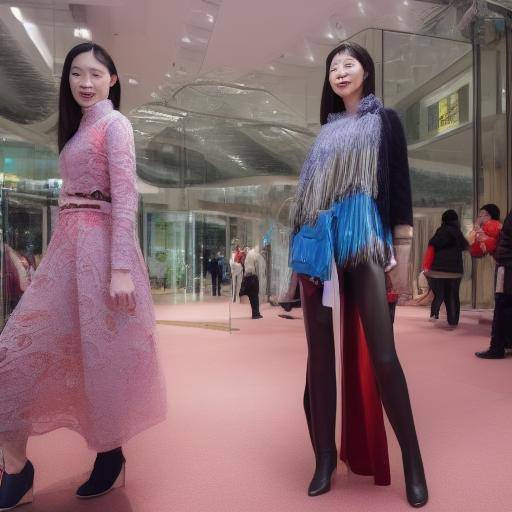
The Lunar New Year is a special celebration that marks the beginning of the new year on the lunar calendar. This festival, also known as the Spring Festival, is celebrated in various countries of Asia, including Hong Kong, with exciting traditions that reflect centuries of history and cultural significance. In this article, we will explore the fascinating traditions of the Lunar New Year in Hong Kong, its history, evolution and its meaning in modern society.
Introduction
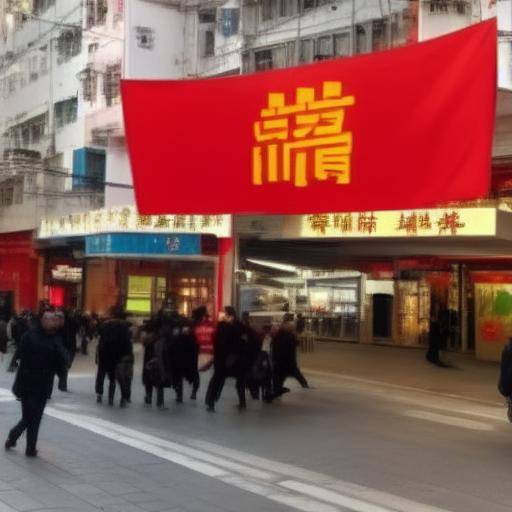
Hong Kong, with its rich cultural heritage, is a place where the traditions of the Lunar New Year live with great enthusiasm and fervor. From colorful decorations to traditional culinary delights, the celebrations in this vibrant city are truly spectacular.
History and Background
The Lunar New Year has millenary roots dating back to ancient China. This holiday arose as a way to welcome spring and celebrate the harvest. Over the centuries, these celebrations have been enriched with a wide range of traditions that symbolize renewal, fortune and family union.
Origins and Evolution
The Lunar New Year has been an integral part of Chinese culture for more than 4,000 years. Over time, it has experienced significant changes, adapting to the values and practices of each era. The celebrations in Hong Kong reflect a unique fusion of traditional and modern practices, offering a fascinating insight into how this holiday has evolved over the centuries.
Historical importance
The traditions of the Lunar New Year have a significant historical significance, as they have played a crucial role in social cohesion and the maintenance of cultural identity throughout generations. In Hong Kong, these customs convey values of respect, harmony and prosperity that are fundamental to society.
Analysis in Deep
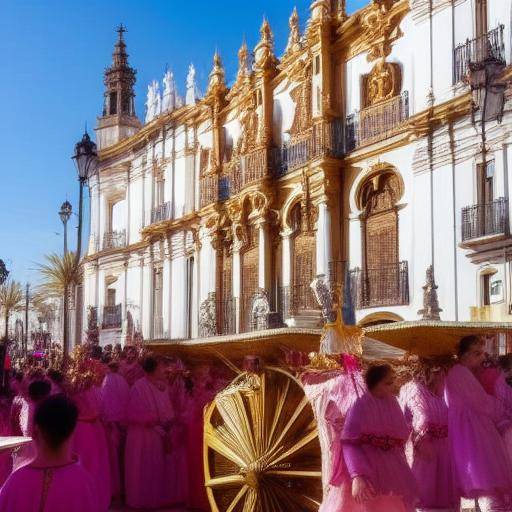
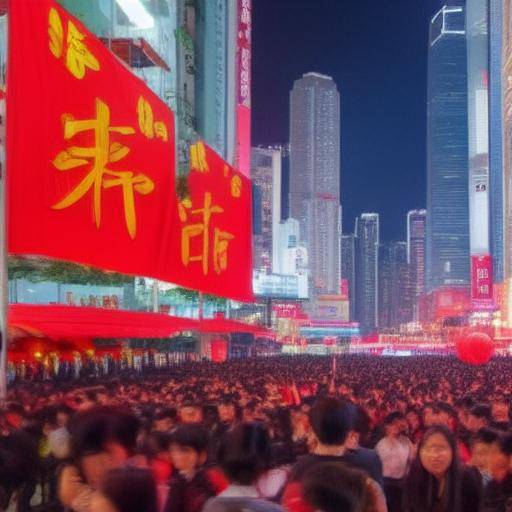
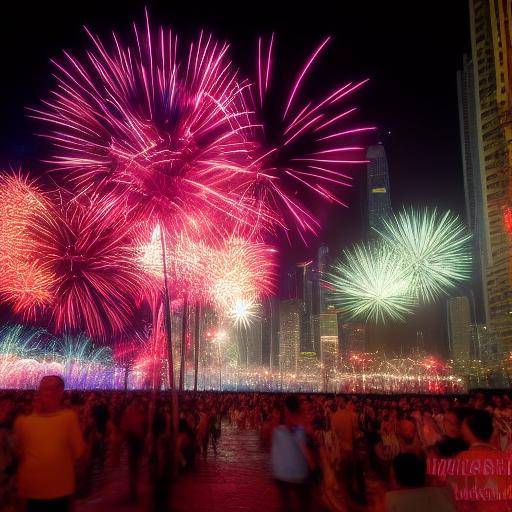
The celebration of the Lunar New Year in Hong Kong is a vibrant manifestation of the rich Chinese culture. From parades to fireworks shows, these holidays attract thousands of people from around the world.
Current Benefits and Challenges
The Lunar New Year offers an opportunity for the Hong Kong tourist and commercial industry, generating significant revenue and promoting cultural diversity. However, it also poses logistical and planning challenges due to the large influx of visitors.
Perspectives and Views
The traditions of the Lunar New Year in Hong Kong have been the subject of debate in terms of their impact on the economy and the community. While some advocate their preservation as an integral part of cultural identity, others raise questions about the balance between tradition and modernity.
Exhaustive examination
The festivals of the Lunar New Year in Hong Kong are a testimony to the rich cultural heritage of the region, and its impact extends to various aspects of society, from gastronomy to performing arts.
Applications and Best Practices
The way this festival is celebrated in Hong Kong offers valuable lessons on respect for tradition, innovation and the promotion of cultural heritage. These practices can serve as an inspiration for the preservation and promotion of cultural diversity worldwide.
Industry Perspectives and Expert Reviews
Cultural and tourism experts in Hong Kong offer valuable insights into the traditions of the Lunar New Year, highlighting its importance in promoting cultural heritage and promoting tolerance and intercultural understanding.
Comparative analysis
Compare the traditions of the Lunar New Year in Hong Kong with those of other regions offers a revealing vision of the similarities and differences that enrich cultural diversity.
Similarities and Variances
Although each region has its own unique customs and rituals, the spirit of celebration, family unity and the traditions of good omens are fundamental elements shared by all communities celebrating the Lunar New Year.
Practical Tips and Accessible Recommendations
For those who wish to participate in the Feasts of the Lunar New Year in Hong Kong, it is important to know some practical guidelines and tips that will ensure an enriching and respectful experience of traditions.
- Respect for the CustomsIt is essential to show respect for local customs and traditions during the celebrations of the Lunar New Year in Hong Kong. This includes following the standards of labeling, showing gratitude and participating respectfully in festive activities.
- Exploring Traditional GastronomyOne of the most enriching experiences during the celebrations of the Lunar New Year is to try the wide variety of traditional dishes. From the sweets of luck to the festive dishes, gastronomy plays a central role in the celebrations.
- Participate in Local ActivitiesParticipation in parades, fireworks and other festive activities is an excellent way to immerse yourself in the culture of the Lunar New Year in Hong Kong. It is recommended to check the schedules and locations of events in advance.
- Practicing Generosity and Good WillDuring the Lunar New Year, it is common to exchange gifts and express good wishes. Participating in these practices is a way of showing kindness and showing appreciation for the local community.
Final Reflections and Frequently Asked Questions
Conclusions and Final Reflections
The traditions of the Lunar New Year in Hong Kong have a rich history and cultural meaning that continue to be fundamental to the identity and cohesion of the community. As Hong Kong advances towards the future, preserving these traditions is essential to keeping alive the cultural heritage of the region.
Frequently asked questions
1. What is the origin of the Lunar New Year in Hong Kong?
The Lunar New Year has its roots in ancient China, where it was celebrated as a feast to welcome the spring and celebrate the harvest. In Hong Kong, these traditions have been maintained over the centuries, adapting to local conditions.
2. What are some of the most important traditions during the Lunar New Year in Hong Kong?
Some of the most important traditions include family meetings, auspicious decoration, the preparation of festive dishes and the participation in parades and shows.
3. How is the Lunar New Year celebrated in Hong Kong today?
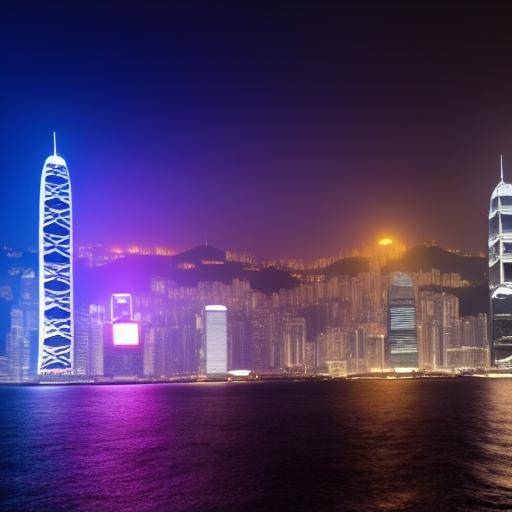
The celebrations of the Lunar New Year in Hong Kong include parades, fireworks shows, the exhibition of lion and dragon dances, as well as the preparation of traditional dishes.
4. What does the rituals and symbols of the Lunar New Year mean in Hong Kong?
The rituals and symbols of the Lunar New Year have auspicious meanings that represent renewal, prosperity and good fortune. These elements are a fundamental part of the festive culture in Hong Kong.
5. What is the importance of preserving the traditions of the Lunar New Year in Hong Kong?
The preservation of these traditions is crucial to keeping the cultural heritage of Hong Kong alive and to strengthening community ties. In addition, these holidays attract visitors from around the world, promoting cultural diversity.
6. How can I participate in the Lunar New Year celebrations in Hong Kong as a visitor?
As a visitor, it is advisable to learn about the schedules and locations of the celebrations, respect local customs, participate in the holidays and try traditional gastronomy for an enriching experience.
In conclusion, the traditions of the Lunar New Year in Hong Kong are a colorful and significant celebration that reflects the profound cultural heritage of the region. From its impressive history to its rooted customs, these holidays offer a unique look at the cultural identity and vitality of Hong Kong. Keeping this rich heritage alive ensures that future generations continue to enjoy and appreciate the traditions of the Lunar New Year, thereby strengthening the cohesion and pride of the community. Through the preservation and celebration of these traditions, Hong Kong not only honors its past, but also looks towards a vibrant and culturally meaningful future.