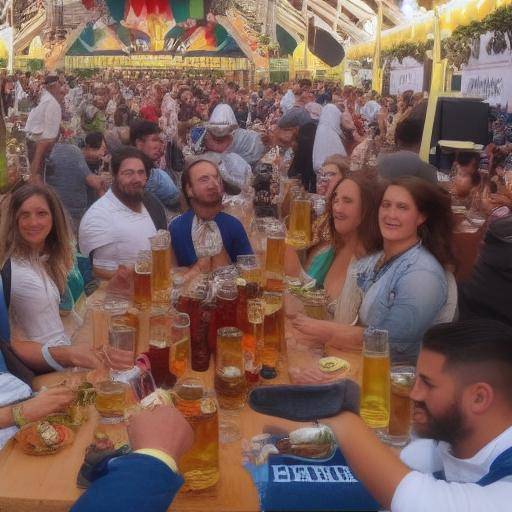
The Oktoberfest is one of the most emblematic celebrations in Germany and one of the largest popular festivals worldwide. In this article, we will explore in detail the traditions rooted in this festival, its cultural importance, and its impact on German society. From its historical origin to contemporary practices, we will analyze each aspect with depth to offer a complete vision of the Oktoberfest.
Introduction
The Oktoberfest is much more than a brewing party, it is the highest exponent of German culture. This annual celebration of 16 to 18 days in Munich, Bavaria, attracts millions of visitors from around the world to enjoy beer, traditional food, folk music and cultural activities. Let us deepen in the historical roots and cultural significance of the Oktoberfest.
History and Background
The story of the Oktoberfest dates back to 1810, when the Crown Prince Louis of Bavaria married Princess Teresa of Saxony-Hildburghausen. The village of Munich was invited to participate in the celebrations, which included horse racing, followed by dances and festivities that culminated in the prince's wedding. This event was so popular that it was decided to repeat the following year, giving rise to the tradition we know today as Oktoberfest.
Over the years, the Oktoberfest has evolved, adapting to social and cultural changes. Today, it has become an international event that celebrates hospitality, camaraderie, and the rich brewing tradition of Bavaria. The festival has expanded beyond the borders of Germany, attracting visitors from all over the world.
Analysis in Deep
The Oktoberfest is not only a festive celebration, but also has a significant impact on the German economy and society. In economic terms, beer is the center of attention, with local breweries producing special beers for the event. Local companies benefit greatly from increased tourism, generating additional employment and income during the festive period.
However, the Oktoberfest also presents challenges, such as increased congestion and pressure on local infrastructures. In addition, waste management and environmental impact are important concerns that need to be addressed to ensure the long-term sustainability of the holiday.
Comprehensive review
In a cultural context, the Oktoberfest is a showcase of German traditions and identity. From folk music to traditional costumes, every aspect of the festival is imbued with a deep sense of pride and belonging. The Oktoberfest also reflects the culture of German hospitality, where visitors are welcomed with warmth and joy, thus creating an atmosphere of festiveness and unity.
Comparative analysis
By comparing Oktoberfest with other global festivities, it is clear that this celebration has unique features that distinguish it. While other parties can focus on music, food, or religious ceremonies, the Oktoberfest combines all these elements in an authentic and joyful celebration that attracts people of all ages and nationalities.
Practical Tips and Accessible Advice
For those who wish to experience the Oktoberfest in its fullness, planning and preparation is crucial. From booking accommodation in advance to getting to know local traditions and customs, a visit to the Oktoberfest can be an enriching experience if addressed with the right knowledge.
Industry Perspectives and Expert Reviews
The experts in German tourism and culture offer a unique vision of Oktoberfest, highlighting its role in promoting local and international tourism. In addition, professionals from the brewing industry share their experience in making special beers for the event, showing the commitment of local breweries to the quality and authenticity of their products.
Case Studies and Practical Applications
Through detailed case studies, it is possible to better understand how the Oktoberfest has impacted local communities and has provided economic opportunities for entrepreneurs and tourism workers. These real examples offer a concrete view of how a holiday can have a significant impact on people's daily lives.
Future Trends and Predictions
As the Oktoberfest continues to evolve, it is essential to explore future trends and possible innovations that could influence the celebration. From advances in technology to changes in visitor preferences, understanding emerging trends can help prepare local communities and organizers for the future of the festival.
Conclusions
In short, the Oktoberfest is much more than a beer festival. It represents Germany's rich cultural tradition, fosters union and celebration, and has a significant impact on the local economy. As this festival continues to thrive, it is essential to preserve its rooted traditions, while adapting to the changes of modern society.
Frequently asked questions
1. What is the historical meaning of the Oktoberfest?
The Oktoberfest has its roots in the celebration of the marriage of the crown prince Luis de Baviera in 1810, whose festivities were repeated in later years, becoming an annual tradition that has lasted until today.
2. What role does beer play in the Oktoberfest?
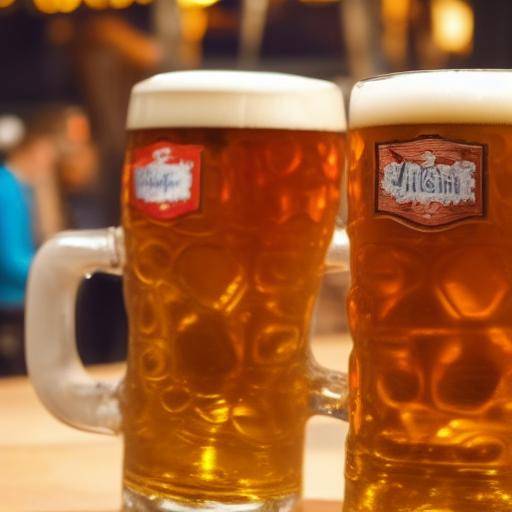
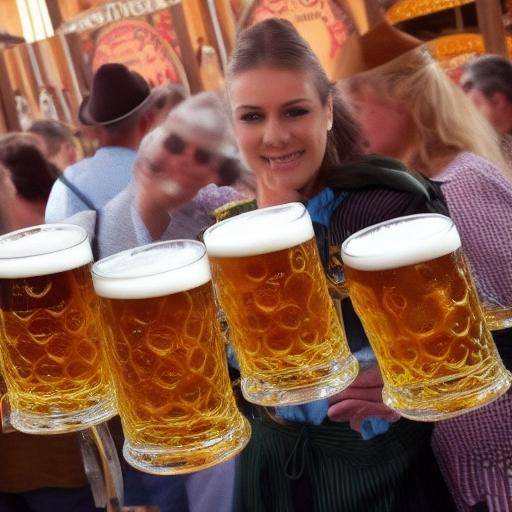
Beer is a central element of the Oktoberfest, with local breweries producing special beers for the event, which are served in large beer shops during the holidays.
3. What are some outstanding traditions of the Oktoberfest?
Among the most outstanding traditions are the opening parade, the opening ceremony of the first barrel of beer, folk music, and the use of traditional Bavarian costumes.
4. What is the duration and dates of the Oktoberfest?
The Oktoberfest is held for 16 to 18 days at the end of September until early October in Munich, Bavaria, attracting millions of visitors from around the world.
5. What is the economic impact of the Oktoberfest?
The Oktoberfest generates significant revenues for local companies, from breweries to hotels and restaurants, and contributes to the growth of tourism in the region.
6. How can I fully enjoy my Oktoberfest experience?
To enjoy the Oktoberfest, it is advisable to plan ahead, know local traditions and customs, and immerse yourself in the festive atmosphere with respect and enthusiasm.
Concluding, the Oktoberfest is a festival that embodies rich history, rooted traditions and German hospitality, becoming an unforgettable cultural experience for visitors around the world.
With the understanding of the traditions and meaning of the Oktoberfest in Germany, visitors can immerse themselves in this holiday with greater appreciation for its cultural importance and its impact on society.
For more information on Oktoberfest-related traditions and culture, please do not hesitate to explore our recommended sources below:
- Oktoberfest.de - Official Oktoberfest site with detailed information about current history, traditions and events.
- Munich Tourism - Information about the city of Munich, where Oktoberfest is celebrated, including attractions, events and tips for visitors.
- Hofbräuhaus - Learn more about the famous Hofbräuhaus brewery, which plays an iconic role in the Oktoberfest and produces special beers for the occasion.
We hope that this article has provided an integral perspective on the rooted traditions and the cultural significance of the Oktoberfest in Germany.